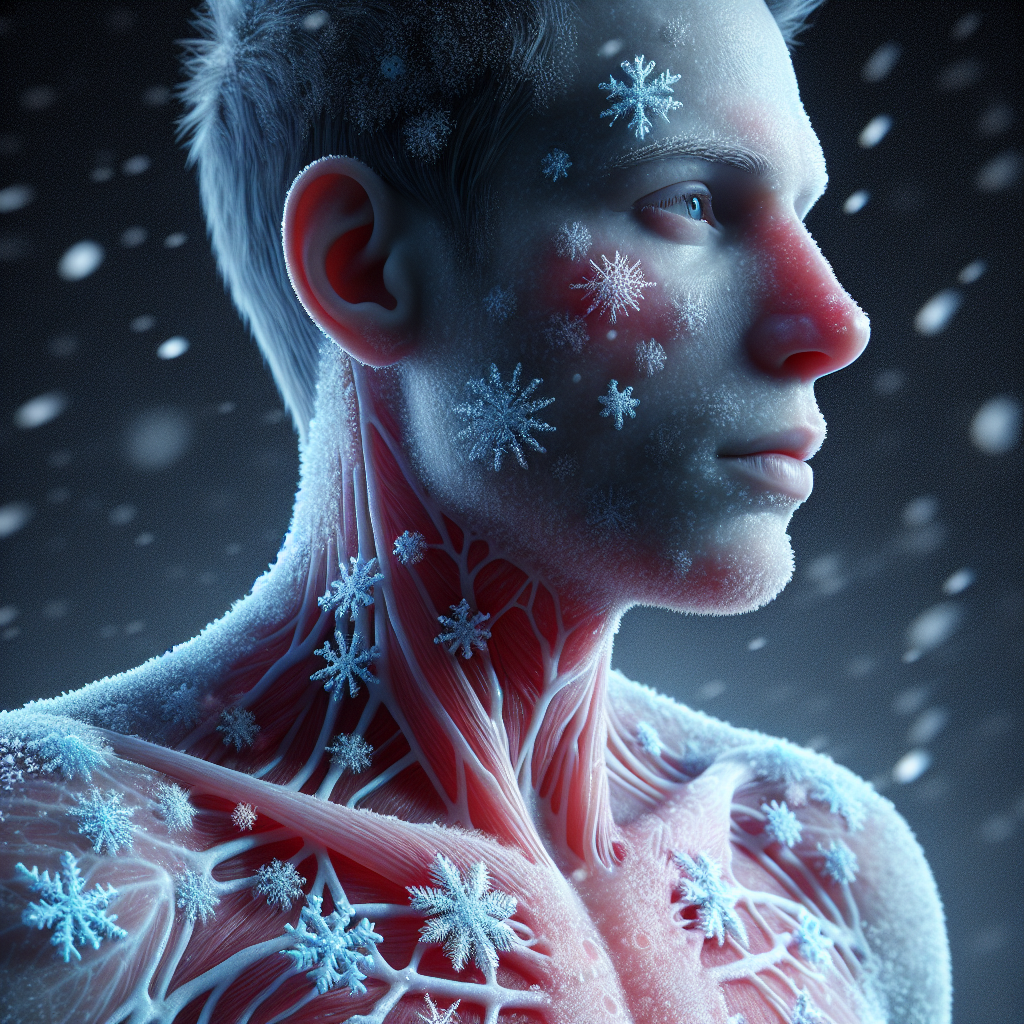

Ice Cold Mystery: Understanding Cold Urticaria
Imagine stepping outside on a frosty winter morning, only to find yourself breaking out in hives as if nature played a not-so-sweet prank on your skin. Sounds a bit dramatic, doesn't it? But for those living with cold urticaria, this is a chilling reality. So, what exactly is cold urticaria, who does it affect, when and where do these symptoms appear, and why does this happen in the first place?
Cold urticaria is a condition characterized by an allergic reaction to cold temperatures, causing hives and other symptoms when exposed to cold air or water. This intriguing yet challenging condition primarily affects young adults and can appear at any time of the year, but it's more prevalent during the chilly months or in cold environments. People experiencing this phenomenon might find themselves asking, "Why me?"—and that’s precisely what we’re here to explore.
What Happily Puzzles Scientists?
Scientists, in their quest to understand the nuances of the human body, find conditions like cold urticaria absolutely fascinating. It is an idiopathic condition, meaning its exact trigger remains elusive. The body, in this case, reacts to cold temperatures in a way that's akin to an allergic reaction—showing how infinitely complex and sometimes unpredictable our immune systems can be.
When exposed to colder environments, the body’s mast cells release histamine. This histamine release prompts the redness, swelling, and itching associated with cold urticaria. And while this explanation addresses the "what," the "why" remains largely unanswered, leaving vast opportunities for scientific discovery and understanding.
The Signs and Symptoms
How exactly does one know they have cold urticaria? One minute, you're feeling the crisp air; the next, you're scratching like your favorite wool sweater just morphed into a prickly bush. Typical symptoms include:
- Hives: Red, itchy welts that appear on areas exposed to cold air or liquid.
- Swelling: Swollen hands while holding a frosty drink or after contact with chilly water.
- Burning Sensation: An unpleasant burning on the skin after exposure to low temperatures.
- Severe Reactions: In some cases, extreme exposure can lead to more severe symptoms like swelling of the tongue or throat, difficulty breathing, or even anaphylaxis, a potentially life-threatening reaction.
These symptoms, vibrant as a kaleidoscope of winter wear, can vary in intensity and duration from person to person, which adds layers to the complexity of managing this condition.
Diagnosis and Discussion
If you suspect cold urticaria, it’s advisable to visit a healthcare provider. Their first step might be a good, old-fashioned ice cube test (yes, it’s as simple as it sounds). By placing an ice cube on your skin for a few minutes, they can observe any hive development as the skin warms up again—an easy method to identify this condition’s puzzling effects.
Discussing personal and family histories, including any allergy tests and specific lifestyle details, can provide useful insights. Understanding possible links, like viral infections or genetic factors, can be paramount in managing condition triggers and customizing a treatment approach.
Living with Cold Urticaria
Fear not; living with cold urticaria, while challenging, doesn't mean you need to become an eternal summer-seeker. There are ways to manage and live comfortably alongside this condition:
- Avoid Cold Triggers: Dressing warmly in layers and using gloves can significantly minimize skin's exposure to cold air.
- Medications: Antihistamines are often prescribed to help control symptoms, such as itchiness and hives.
- Emergency Plans: Carrying an epinephrine auto-injector is essential for those at risk of severe reactions like anaphylaxis.
- Lifestyle Adjustments: Staying hydrated and moisturizing your skin regularly can fortify against the cold.
Exciting Horizons of Research
The ever-curious scientific community continues to probe deeper into cold urticaria, trying to identify genetic markers or underlying immune responses responsible for this condition. Advances in medical technology and biochemical understanding raise optimism for more effective treatments and perhaps one day, prevention!
Personal Perspectives and Hope
Living with cold urticaria differs for everyone, with varying sensitivities and emotional responses. Some find humor in layering up like a Michelin Man, while others might appreciate the perfect excuse to stay indoors with a cozy book in hand. Through shared experiences, online forums, and support groups, people find solace and unity—showcasing another beautiful side of humanity: our incredible spirit of resilience and the warm bond to connect over shared experiences.
In this journey of self-understanding and adaptation, curiosity can be a comforting ally, and perhaps one day, we'll have all the answers we seek about this icy enigma. For now, with vigilant care and scientific optimism, those with cold urticaria can enjoy the frosty marvels of the world responsibly and thoughtfully.