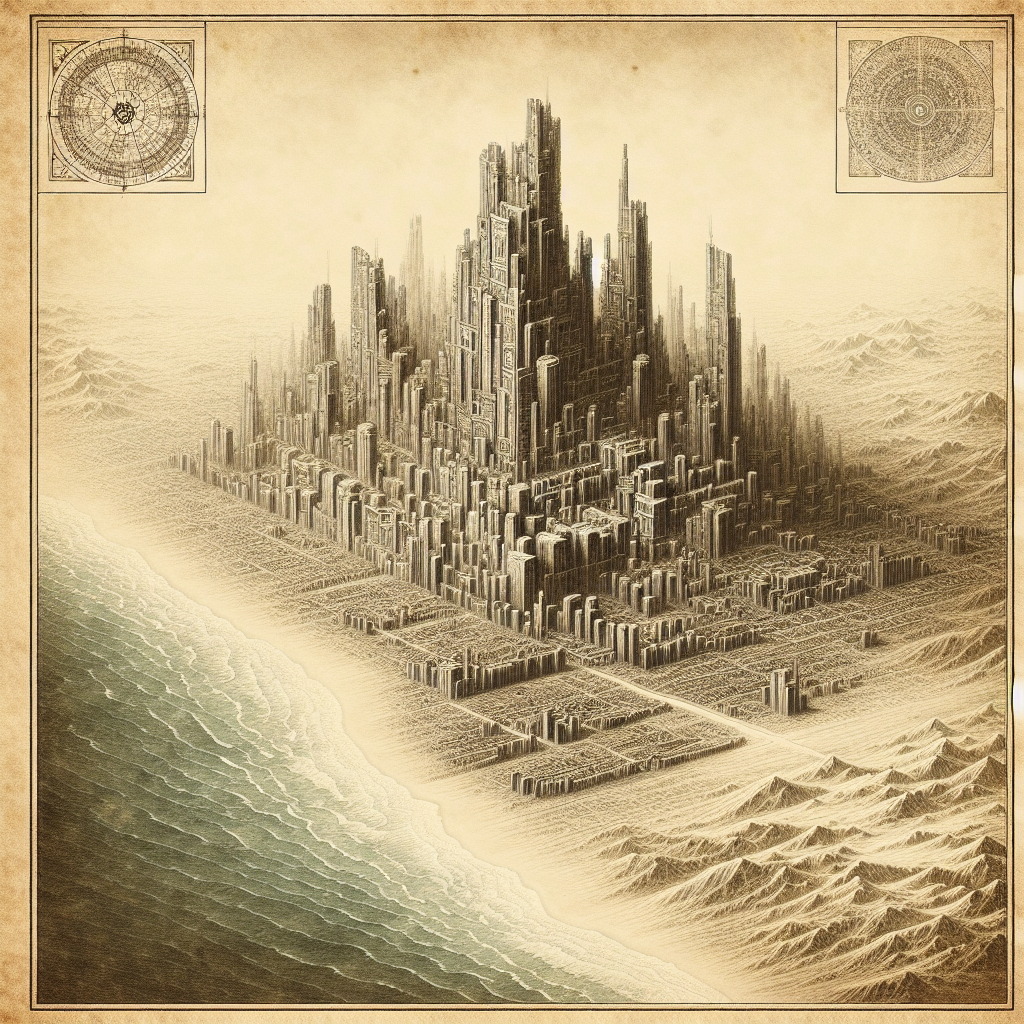

Introduction to Sand Cities
Imagine a world where cities are perched on shifting, rolling landscapes of sand, displaying our civilization's incredible ingenuity as concrete and steel morph into artistic skyscrapers looped within desert dunes. This isn't the setting of a science fiction novel, but a remarkable reality for cities like Dubai, Singapore, and Kuwait City. Built upon sandy terrains from the early 20th century to today, these urban areas flaunt human innovation against challenging environments, often situated in arid climates or coastal expanses.
Human Resilience on Sandy Foundations
The construction of cities on sand genuinely showcases human resilience and inventiveness. But why choose the audacious task of building on sand, you might ask? Well, much of it has to do with location, resources, and the magnetic pull of trade and financial opportunity. Sands often cover areas where land is scarce or where massive geographical shifts have transformed the terrain. These locations, sometimes seen as formidable or inhospitable, have attracted human ambition, seeking both practical solutions and new business frontiers.
Engineering Marvels
The real strides come in the form of engineering triumphs. Take, for example, the construction techniques that convert unnatural sites into firm foundations—piling, compaction, and ground improvements are just a few methods used. Engineers often drive countless steel and concrete piles deep into the sandy sea or desert floor, essentially nailing the skyscraper to the seabed or desert bedrock, thus ensuring stability. Consider Singapore's Marina Bay Sands or the sleek sandy spires in Dubai, an excellent fusion of modern engineering and architectural prowess.
Environmental Considerations
Another layer to this sandy situation includes environmental considerations—both challenging and rewarding. Coastal cities built on reclaimed land face rising sea levels and intense weather patterns that demand innovative solutions. Singapore, for instance, has harnessed technology and policy adjustments to address these concerns, employing sea walls and green initiatives to preserve its sandwich between modernization and nature.
Ecological Balancing Act
Building cities on sand also touches on the intriguing balance of ecology. On one hand, these sandy metropolitans have modified ecosystems, affecting flora and fauna familiar with the unfaltering sands. On the other hand, new eco-friendly technologies are sprouting; green skyscrapers with built-in plant habitats support biodiversity even amid urban spreads.
Economic Opportunities of Sandy Locations
The economic allure in transforming sandy landscapes into bustling cities is not to be understated. Dubai, for example, emerged from a quaint fishing village into a global powerhouse, attracting investors, tourists, and new residents by the tens of thousands. These cities serve as hubs of trade and finance which in turn draw further economic activities and opportunities—a self-propelling growth cycle powered by strategic positions on the world's maps.
The Toolbox: Technology and Ambition
What unifies these urban terrariums is the ambitious human spirit, avid for both growth and sustainability. The development of comprehensive urban networks, public transport systems, and smart city technologies all contribute to making cities on sand not just possible but thriving. In many of these sandy cities, forward-thinking urban planning emphasizes efficiency, aiming to minimize carbon footprints and optimize resources while prioritizing quality life for citizens.
Challenges and Predictions
Still, challenges lie ahead, not least the environmental impacts and economic dependencies these cities will need to confront. With climates shifting unpredictably, and resources like sand dwindling due to global construction booms, there’s a pressing need for continuous innovation. Advances in artificial intelligence, renewable energy sources, and sustainable architecture will play pivotal roles in futuristic urban planning.
Conclusion: Building on Sand, Dreaming Together
The sparkling towers and thriving streetscapes of cities built on sand reflect the dynamic heart of human achievement. Ultimately, they embody our enduring curiosity and the audacity to imagine and create against the odds. As we push further into this sandy frontier, one sand grain at a time, it’s clear that mankind’s cities of tomorrow are not just being built on literal sandy banks but are grounded in the limitless possibilities of human ambition and sustainability.