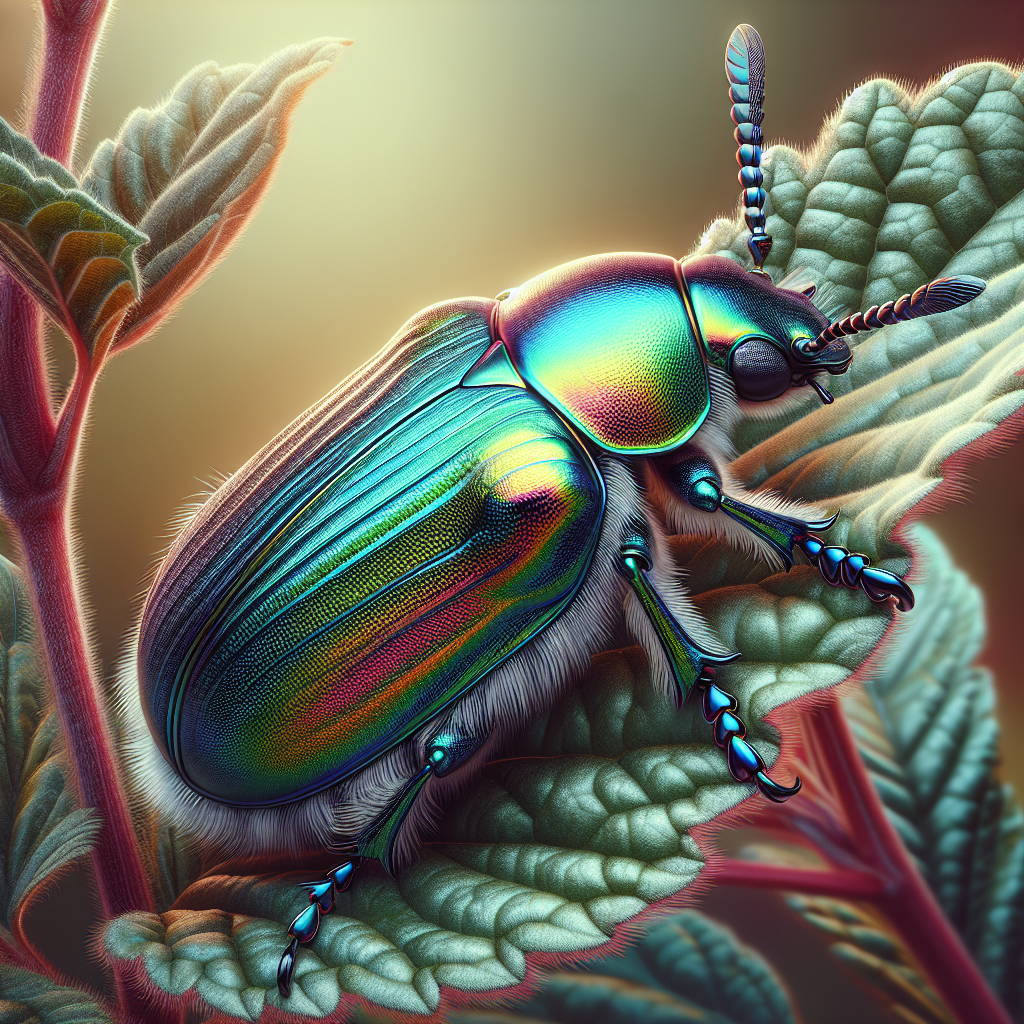

The Shimmering Jewel of the Leafy Gardens: Chrysolina staphylaea
Imagine a tiny beetle sparkling like a jewel amid the green tapestry of your garden, a delightful surprise upon the leaves where it makes its home. Meet Chrysolina staphylaea, a member of the scientific beetle elite that you might stumble upon in fields, gardens, and hedgerows across Europe. This species gathers plenty of curiosity with its vibrant metallic hues, and it’s high time we understand what makes this beetle such an intriguing little creature.
Meet the Beetle: Chrysolina staphylaea
Who are they? Chrysolina staphylaea, commonly known as the pilewort leaf beetle, belongs to the family Chrysomelidae, which houses a host of other shiny and dazzling leaf beetles. This particular species is often touted for its striking appearance, sporting an eye-catching metallic sheen that can range from golden-bronze to a deep reddish-brown or even purple, depending on how the light hits its polished exoskeleton.
What makes this beetle so special isn't just its external radiance. Chrysolina staphylaea plays a crucial role in the ecosystem, primarily by feeding on plants, which in turn, helps in controlling plant overgrowth. Its diet mostly includes members of the buttercup family, including the aptly named lesser celandine or pilewort, thus getting its common moniker.
Where and When to Spot
Finding Chrysolina staphylaea isn’t a grand expedition but rather a serendipitous encounter for those who fancy flora and fauna gatherings. Distributed widely across Europe, this beetle makes its presence known from spring through late autumn. Often found in moist areas with its preferred host plants, it huddles in gardens, riverbanks, and anywhere lesser celandine blooms.
The best time to spot this beetle is during the warmer months when it actively feeds and mates. Adults overwinter in leaf litter or under bark, emerging as temperatures begin to wane upward, tweaking their antennas in anticipation of the growing season.
Why the Buzz About Chrysolina staphylaea?
In our quest to connect with nature, it’s fascinating to observe how even the minutest creatures fit into the jigsaw of life. Chrysolina staphylaea's presence in your garden can be seen as a nod to biodiversity, acting as an indicator of healthy, flourishing vegetation.
Moreover, beetles like Chrysolina contribute to the balance of plant populations, providing natural pest control. Their presence keeps invasive species at bay, ensuring that plant diversity is maintained and enriching the soil biodiversity—a positive feedback loop that we, as optimistic custodians of nature, should certainly appreciate.
The Cycle of Life: From Egg to Shining Beetle
Let’s talk about how these beetles come into being. The cycle begins when females lay eggs on host plants. Once hatched, the larvae feed voraciously on the host leaves, bolstering their growth into plump, full-grown larvae. This period of intense feeding not only fuels the beetles' development but also aids in the decomposition and nutrient cycling within the ecosystem.
Larvae then pupate in the soil, the transformative phase where they metamorphosize into adult beetles. Emerging from the soil as adults, they start the cycle anew, gracing the foliage with their lustrous presence.
Unfortunate Threats to Beetle Populations
While Chrysolina staphylaea is not on any immediate endangered list, its ecological niche faces indirect threats. Habitat destruction, climate change, and pesticide use all pose significant challenges. Being small doesn’t shield them from environmental upheavals, and with less of an area to roam and feed, their populations could easily dwindle.
Conscious efforts to maintain natural habitats, reducing chemical use in gardening, and advocating for organic farming can help safeguard these enchanting beetles. Seeing them thrive is a testament to our gardens’ health and, by larger extension, our planet’s wellbeing.
Enthusiasm for Education
Isn’t it wonderful how learning about something as small as a beetle can spark excitement for the natural world? Chrysolina staphylaea isn’t just a name for scientists to earmark but a symbol of nature’s intricate beauty that anyone can admire. By spreading awareness about these seemingly minor life forms, we instill a sense of curiosity and respect for all creatures.
Divesting from fear or ignorance about the insect world translates to better stewardship of our environment, a reflection of an optimistic and bright future. After all, every small step—like appreciating a metallic beetle—elevates our understanding and concord with the ecosystems we’re fortunate to coexist with.
In our ever-expanding tapestry of knowledge, isn’t it exhilarating to uncover and appreciate the brilliance behind the shine of a simple garden beetle?