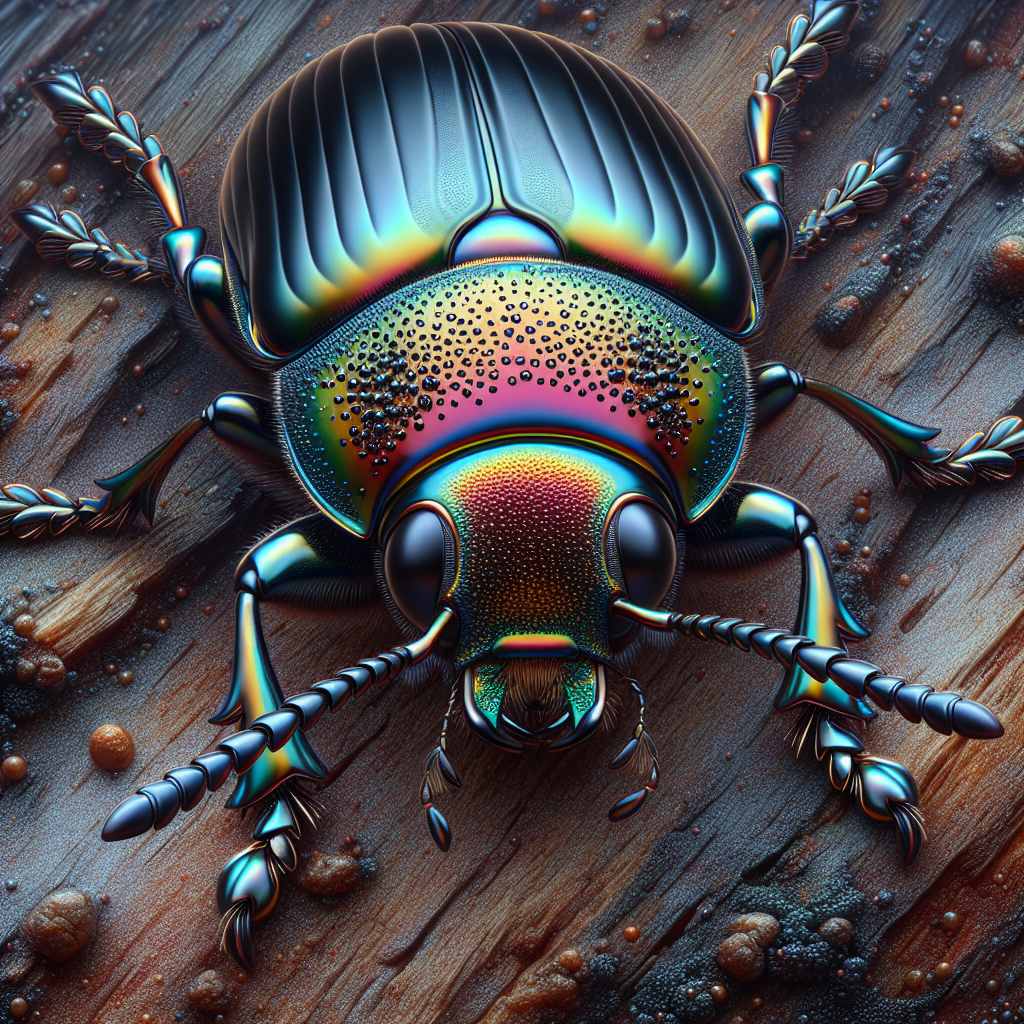

The Dazzling World of Chalcophora angulicollis: A Jewel Beetle Adventure
Imagine a beetle that glistens like a jewel in the sunlight, and you've got the Chalcophora angulicollis, a fascinating member of the Buprestidae family, commonly known as jewel beetles. This captivating creature, also known as the "Western Sculptured Pine Borer," is found primarily in the western regions of North America, from Canada down to Mexico. These beetles are most active during the warmer months, typically from late spring to early fall, when they can be seen basking on tree trunks or flying through pine forests. But why are they so intriguing? Well, their metallic sheen and intricate patterns make them a subject of interest for entomologists and nature enthusiasts alike.
Chalcophora angulicollis is not just a pretty face; it plays a significant role in its ecosystem. The larvae of this beetle are wood-borers, meaning they develop inside the wood of coniferous trees, particularly pines. This might sound destructive, but it's a natural part of the forest lifecycle. By boring into the wood, these larvae help decompose dead or dying trees, recycling nutrients back into the soil and promoting forest health. However, in large numbers, they can become pests, especially in areas where trees are already stressed by other factors.
The adult beetles are equally fascinating. They have a robust, elongated body with a striking metallic appearance, often in shades of bronze, green, or blue. This iridescence is not just for show; it helps them blend into their surroundings, providing camouflage against predators. Their wing covers, or elytra, are adorned with ridges and grooves, giving them a sculpted look that adds to their allure.
Studying Chalcophora angulicollis offers insights into the complex interactions within forest ecosystems and the delicate balance between species. By understanding their life cycle and behavior, scientists can better manage forest health and address issues related to pest outbreaks. This beetle, with its shimmering beauty and ecological importance, reminds us of the intricate and interconnected world we live in, where even the smallest creatures play a vital role.