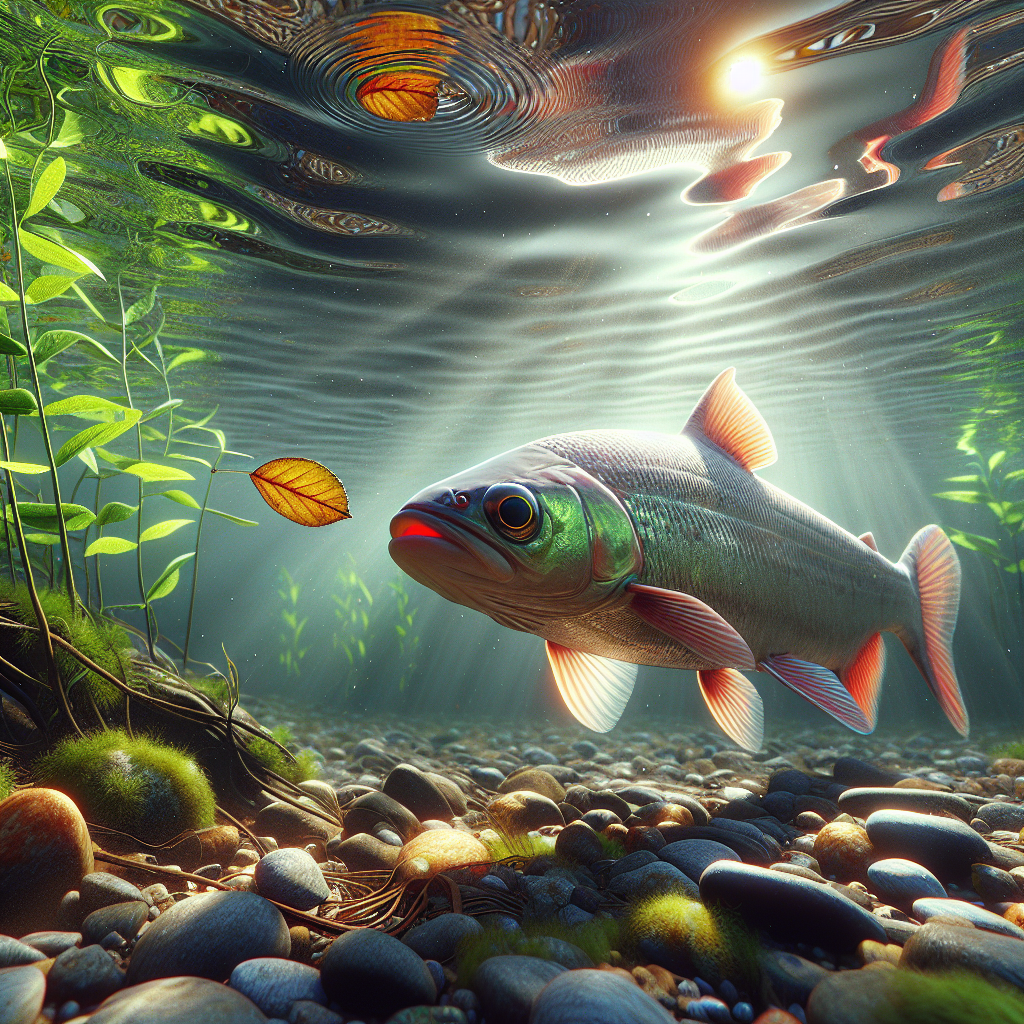

Unraveling the Mysteries of the Cape Kurper: South Africa's Endemic Fish
Fish lovers and nature enthusiasts, prepare to embark on an exhilarating journey through the freshwater ecosystems of South Africa, where the oft-overlooked but fascinating Cape kurper resides! Known scientifically as Sandelia capensis, this charming little fish, who calls the streams, rivers, and lakes of the Western and Eastern Cape its home, deserves its time in the spotlight. Let's dive into what makes this species so unique and how it contributes to its watery world.
A Close Encounter with the Cape Kurper
The Cape kurper is a small to medium-sized fish, generally reaching lengths of 15 to 18 centimeters, though some dedicated kurpers have been known to grow a bit larger. These fish are distinguished by their tenacious nature and remarkable adaptability—a testament to the wonders of evolution!
Identified by their olive-brown bodies adorned with darker bands, they blend perfectly into the rocky riverbeds and lush aquatic plants of their habitat. It's a survival tactic that not only protects them from predators but also allows them to sneak up on their own prey. While their looks may not scream 'flashy', their subdued beauty is a perfect match for the serene landscapes they inhabit.
The Kurper's Home: A Diverse Environment
From the cool, fast-flowing mountain streams to the stillness of lowland ponds, the Cape kurper exhibits remarkable adaptability across different habitats. It thrives in locations throughout the Western and Eastern Cape Provinces, regions celebrated for their incredible biodiversity.
These areas are a treasure trove of ecological diversity, which allows the Cape kurper to coexist with a variety of other species, including a myriad of insects, amphibians, and even other fish. This adaptability is a prime example of how species evolve to fill ecological niches, maintaining the balance of their environments.
The Daily Life of the Cape Kurper
Part of what makes the Cape kurper so incredibly fascinating is its behavior. They are diurnal, meaning they are most active during the day—a rarity among fish where night-time activity is often the norm. During the day, the Cape kurper can be seen darting after insects, crustaceans, and small fish—its diet of choice. These opportunistic hunters play a crucial role in controlling the population of their prey, ensuring the health of their ecosystem.
Reproductively, the Cape kurper engages in an intricate dance of courtship during the spring and summer months, when the water is warm. Males will display vibrant colors to attract females, a vivid spectacle in the otherwise tranquil waters. Once mating occurs, females lay eggs attached to submerged vegetation, which the males dutifully guard until they hatch. It's fascinating to see these little guardians exhibit parental care—a trait not so common in the world of fish.
Cape Kurper: Champion of Adaptation
One might wonder, how does the Cape kurper manage to survive and thrive when faced with environmental changes? The answer lies in its physiological and behavioral adaptability. Changes in water temperatures and food availability have little effect on this resilient creature.
However, like many species, the Cape kurper faces threats from habitat destruction, pollution, and competition from invasive species, such as the trout. Conservation efforts are underway to ensure their habitat is protected, balancing human interests with ecological sustainability—a critical lesson for all global citizens.
A Field of Scientific Inquiry
Researchers are particularly interested in the Cape kurper due to its adaptive capabilities and its role as an indicator species. An indicator species provides valuable insights into the health of its environment. By studying the kurper, scientists can monitor changes in aquatic ecosystems, offering early warnings of ecological shifts.
Additionally, the Cape kurper represents an exciting avenue for studies on evolutionary biology. How did these creatures evolve to secure their niche in such diverse habitats? Ongoing research seeks to unlock these answers, providing more understanding of species resilience in the face of environmental pressures.
Why Should We Care?
Understanding and preserving species like the Cape kurper is key to maintaining ecological balance. Each player in an ecosystem performs specific roles, contributing to a larger, interconnected web of life. Their survival is intertwined with ours, as healthy ecosystems support biodiversity, which is vital for human life.
Being optimistic about our natural world means believing in the power of preservation and restoration. The Cape kurper reminds us of nature's wonders and our responsibility to protect it. By focusing on conservation efforts, spreading awareness, and supporting scientific research, we can ensure that this curious fish continues to thrive for generations to come.
As we continue to learn from and celebrate the intricate beauty of the Cape kurper, we become more equipped and inspired to build a future where humans and nature coexist harmoniously. Dive in, and you'll see how this small fish is a giant leap towards understanding and protecting our precious planet!