
Discovering the Mysteries of Calochilus paludosus: Nature's Enigmatic Orchid
When most people think of orchids, they think of exotic, tropical blooms. But let's venture into the lesser-known terrain of Calochilus paludosus, an Australian orchid species as intriguing as its name. Known as the Red Beard Orchid, it may sound like something straight out of a sci-fi movie, but it's actually a wondrous slice of the natural world that thrives in the wetland habitats of Australia and New Zealand.
What Makes Calochilus paludosus So Unique?
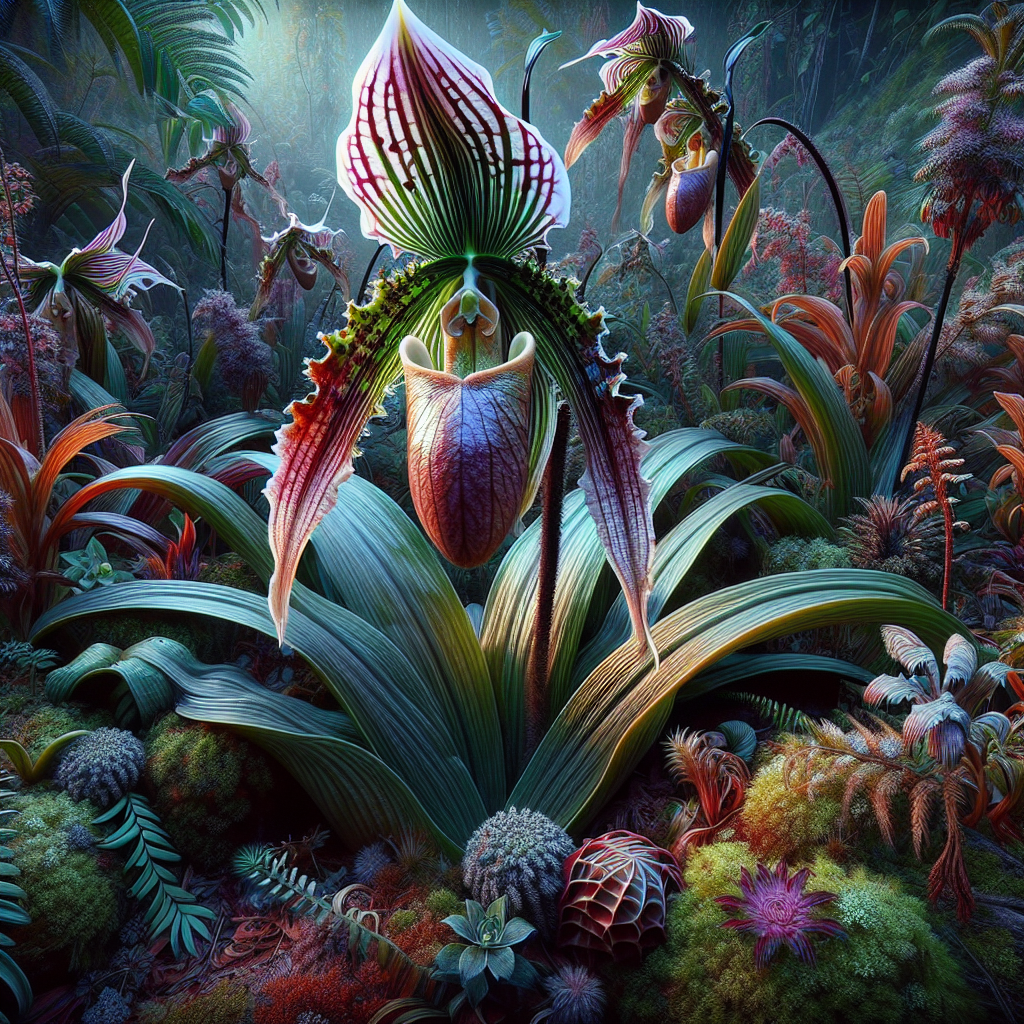
Calochilus paludosus, often nicknamed the Red Beard Orchid due to the vibrant, bristly appendage that extends from its labellum, is a monk in the orchid community, preferring simplicity and elegance over flamboyance. Its flower, while understated compared to its tropical cousins, tells a story of evolutionary ingenuity and survival.
The orchid typically flaunts greenish hues with a reddish tinge, and its lip is adorned with a straggly beard of red hairs that give it an enigmatic appearance. This particular adaptation is naturally designed to mimic the antennae of female wasps—a fascinating strategy to lure in unsuspecting male wasps who come to investigate, proving that sometimes the edge goes to creativity over outright beauty.
When Does It Bloom?
The ecological clock of this plant ticks differently than many of its peers. Calochilus paludosus treats observers to its bloom from Spring to late Summer, a season well-timed to overlap with the activity period of its pollinating partners. The distinct design and timing of bloom play a critical role in its reproduction, an excellent reminder of nature's clockwork precision.
Where Can You Find This Orchid?
Its home isn't limited to one picturesque spot but extends across a wide range of moisture-rich locations. Spotted across southeastern Australia and as far-reaching as New Zealand, this plant is most commonly found in wetland areas, though it isn't constrained to marshes alone. It can colonize various open forest settings, from coastal ecosystems to inland plains, thriving in regions where sunlight dances freely on its leaves yet maintaining a relationship with its vital fungal networks underground.
Why Is This Orchid Important?
As with all species in an ecosystem, Calochilus paludosus doesn't exist in isolation but is a vital thread in the tapestry of biodiversity. Orchids like this one play significant roles in their ecosystems, often serving as bioindicators—organisms that signal the health of their environmental conditions.
The mutualistic relationships it forms with mycorrhizal fungi, for instance, hint at the intricate underground networks we can’t see but upon which the plant’s survival depends. Such interactions are teaching scientists about ecological balance, sustainability, and the sometimes invisible connections sustaining life on Earth.
An Insight into Its Lifecycle
The lifecycle of the Calochilus paludosus is marked by incredible resilience and complexity. Orchids begin their journey as microscopic seeds devoid of the necessary energy reserves to germinate on their own. They must enter a partnership with specific fungi to harvest nutrients, a vivid example of the give-and-take relationships present even in the plant kingdom.
These symbiotic processes emphasize how connected elements of nature truly are. Successful germination leads the orchid from dormancy into a full-fledged display of life, eventually reaching its peak during flowering.
Conserving Nature's Masterpieces
Despite its resilience, Calochilus paludosus, like many orchids, faces conservation challenges. Rapid environmental changes and habitat loss signal a cautionary tale for their future. Promoting awareness and safeguarding natural habitats remain crucial to preserving these fascinating organisms.
Efforts in conservation biology aim to sustain not just individual species, but entire ecosystems. We learn and innovate by nurturing such biodiversity, which in turn enriches our capability to face broader environmental puzzles.
Celebrating such biodiversity means cherishing the ordinary and the extraordinary alike. Though Calochilus paludosus might not win any awards for tropical flamboyance, it stands as a testament to nature’s capacity for creative genius.
Human Connection with Orchids
Orchids captivate those drawn to their delicate beauty and botanical complexity. Many hobbyists and researchers worldwide dedicate time to growing, studying, and promoting these plants, contributing to a global tapestry of shared knowledge and appreciation.
Understanding species like Calochilus paludosus enhances our sense of wonder and underscores humanity's role in stewarding life’s diversity. Nature offers not only beauty but robust systems capable of teaching essential lessons in innovation and sustainability.
Embracing Curiosity and Learning
Exploring the life of the Red Beard Orchid is not just about understanding a plant but about rekindling a sense of hope and curiosity. Through patience and respect for the environments surrounding us, we unlock nature's secrets, reminding us that even the smallest details can hold the grandest stories.
Whether you're a seasoned botanist or someone who just enjoys wandering through nature, there's always room to learn about and protect these extraordinary worlds. They enrich our lives and display the boundless creativity of life on Earth.
Let's protect them; let's learn from them. In preserving such wonders, we not only safeguard plants like Calochilus paludosus but also secure the vitality and knowledge of the ecosystems we share.