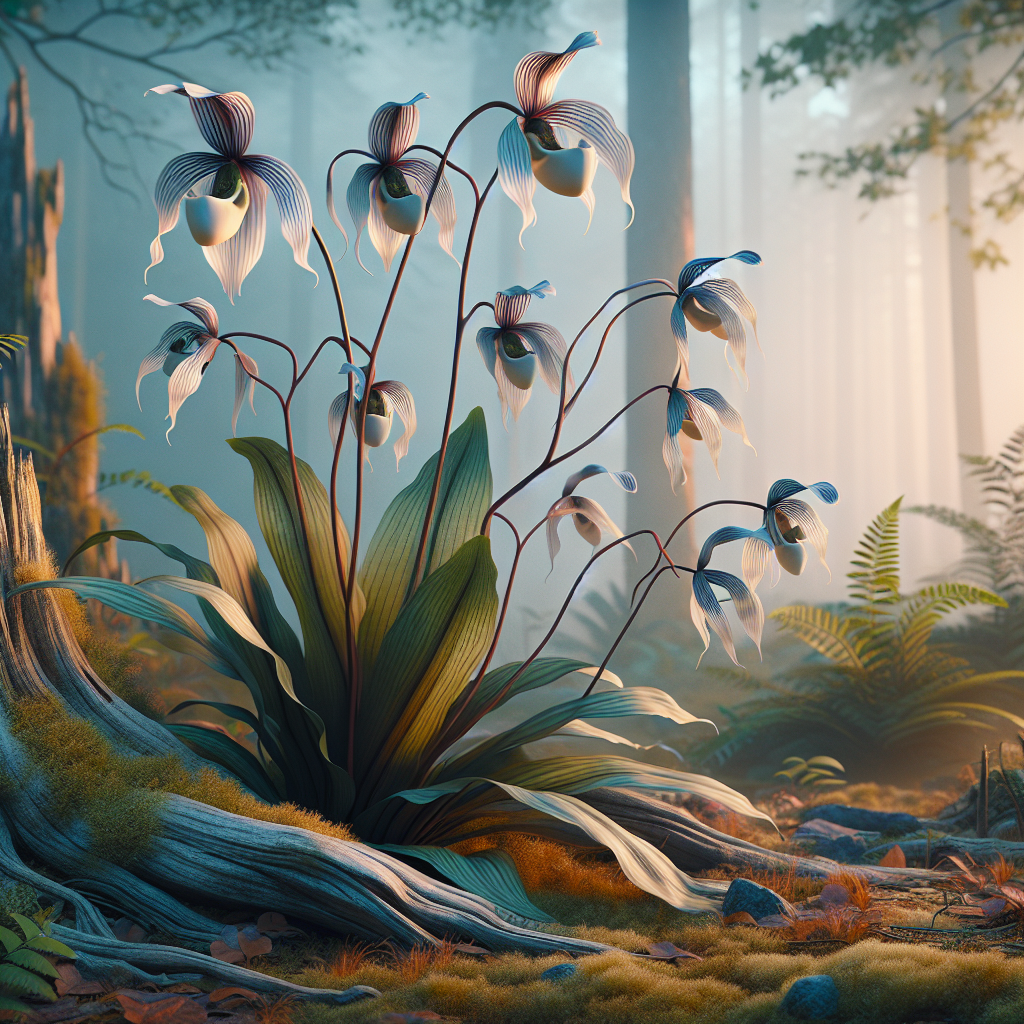

The Enigmatic Beauty of Caladenia Cruscula: Australia’s Hidden Floral Gem
Imagine walking through the eucalyptus woodlands of Australia and stumbling upon a blossom so intricately designed that it takes your breath away. This is the world of Caladenia cruscula—a striking member of the orchid family known for its beauty and the intrigue it elicits among botanists and nature enthusiasts alike. Understanding what makes this flower species unique involves unraveling the who, what, when, where, and why of its existence.
What is Caladenia Cruscula?
Caladenia cruscula, also known as the Frankston spider orchid, is a terrestrial orchid species endemic to a small region in Victoria, Australia. As part of the Caladenia genus, it boasts distinctively attractive floral structures characterized by their slender sepals and petals, often given a whimsical description akin to spider legs by those who marvel at these blooms. Despite its enchanting appearance, the Caladenia cruscula remains one of nature’s more secretive species, with its presence restricted to specific environments.
The Ecosystem and Growing Conditions
Predominantly found in sandy soils, Caladenia cruscula thrives in open forest conditions where filtered sunlight allows growth without direct exposure to harsh temperatures. Its native habitat ranges include areas where the landscape gently blends coastal influences with the unique botanical composition of Australia’s flora. The plant flourishes during the temperate months of the Southern Hemisphere, usually blooming between September and late October. This period coincides with the region's spring, when environmental conditions are optimal for growth and reproduction.
Conservation Status: Why Should We Care?
One compelling reason to learn about Caladenia cruscula is conservation. Designated as a species of concern under both state and national conservation legislation, the orchid highlights broader environmental issues, such as habitat degradation and climate change. Urban expansion and shifts in land use pose direct threats to its survival, reducing its already limited distribution.
Addressing these threats requires coordinated conservation strategies, monitoring, and where possible, rehabilitation of its native habitats. Efforts to protect these precious wildflowers are crucial, not just for Caladenia cruscula but also for the myriad of other organisms that contribute to Australia’s rich biodiversity.
Ecological Interactions: Nature’s Own Ballet
Caladenia cruscula plays its part in a delicate ecological dance, heavily relying on symbiotic relationships. These orchids form mutual associations with specific mycorrhizal fungi, without which their seeds cannot germinate. This intricate dependency underscores the interconnectedness of life in their ecosystems and highlights the orchid's vulnerability to environmental change.
Furthermore, the pollination of Caladenia cruscula is often facilitated by native insects, which are drawn to the flower by its unique appearance and nectar. This relationship ensures the genetic diversity and reproductive success of the species. As we study these interactions, we gain insights into the resilience and adaptability of ecosystems, teaching us how to preserve them.
Inspiring Research and Innovation
Research surrounding Caladenia cruscula opens exciting avenues in botanical science and conservation techniques. Scholars and scientists in the fields of horticulture and ecology often look to these orchids as models for understanding plant adaptation strategies and the genetic factors underlying resilience to environmental stressors. This research is not just academic but can inform practical conservation strategies and promote sustainable practices.
By using molecular biology tools to study these plants, researchers can keep track of genetic variations in wild populations, breeders can more effectively cultivate them in controlled environments, and conservationists can develop targeted action plans to preserve these small but significant populations.
Humanity's Role: The Path Forward
As stewards of the environment, humanity's responsibility extends beyond marveling at the beauty of such species; it calls for action to ensure their survival. Support for conservation efforts is crucial, whether through volunteering for habitat restoration projects or advocating for stronger environmental protection policies.
Moreover, participating in citizen science programs allows us to contribute valuable data regarding the distribution and health of Caladenia cruscula populations. This collective effort empowers not only the scientific community but also builds an informed public motivated to protect the natural world.
Conclusion: A Call to Explore and Protect
So, the next time you find yourself exploring the natural landscapes of Victoria, remember the hidden elegance of Caladenia cruscula. These orchids serve as a reminder of nature’s wondrous complexity and the nuanced stories held amongst the petals of every bloom. More importantly, they represent the remarkable interconnections of life's web, urging us to perpetuate empathy and responsibility towards preserving our planet's extraordinary biodiversity.