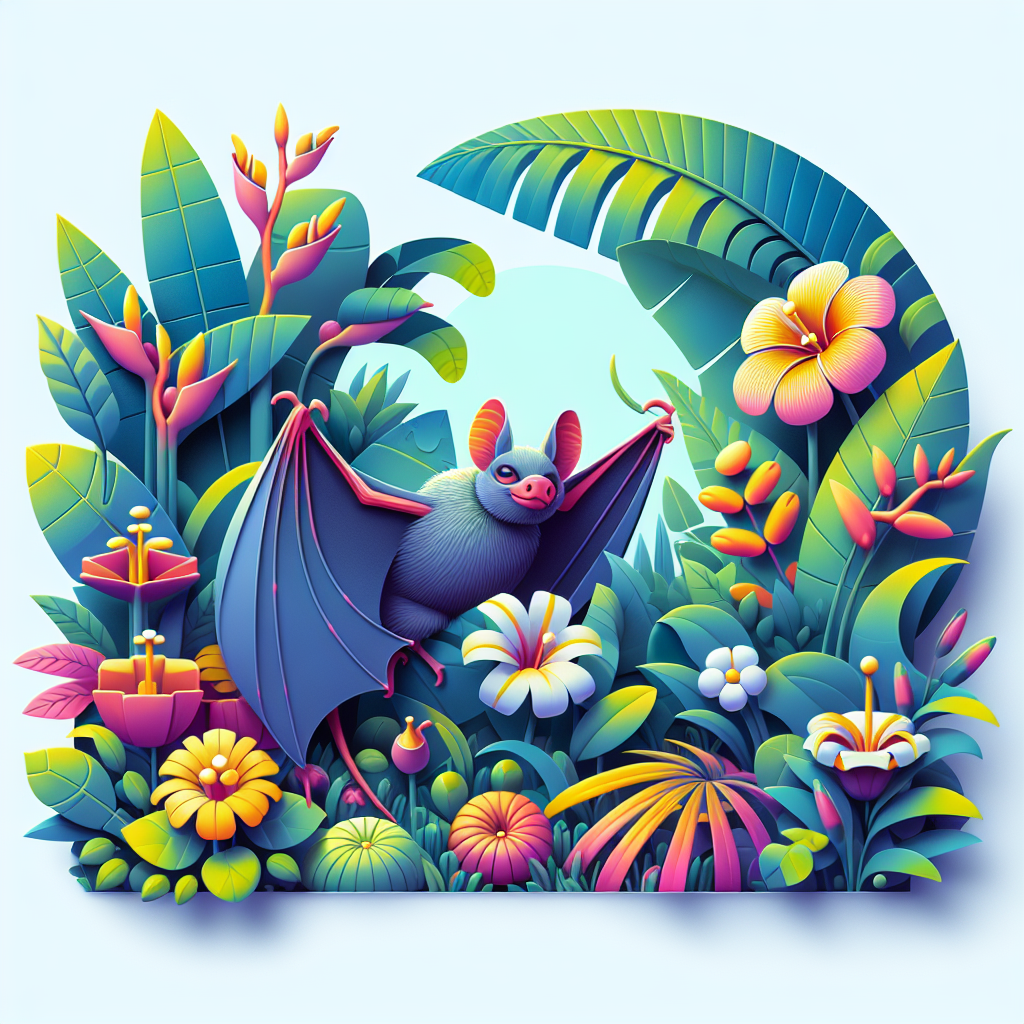

Imagine a creature that blends the mystique of a bat with the grace of a gardener hummingbird. Enter the Buffy Flower Bat (Erophylla sezekorni), a delightful and often overlooked hero of the night! Spanning both North and South America, this fascinating mammal is known for its light brown, fluffy fur and its critical role in pollinating the Easter Caribbean’s lush flora.
Who, What, When, Where, and Why of Buffy Flower Bats
Originating from the early Cretaceous period, bats have evolved over millions of years. The Buffy Flower Bat is primarily found in the tropical and subtropical regions of the Bahamas, Cuba, and Jamaica. These nocturnal creatures are not only essential pollinators and seed dispersers, but they also create a charming nocturnal ballet as they flit through the night sky.
The Batman's Day Job: Pollination
Revered for their critical role in ecosystems, Buffy Flower Bats are nature's flying gardeners. Much like bees, they are instrumental in the reproduction of various plant species. With their long tongues, these bats reach deep into flowers to feed on nectar, inadvertently picking up and transferring pollen as they move from bloom to bloom. Their activities are key to maintaining the health of tropical forests, which would struggle to reproduce without these fervent fliers.
Seeing Without Seeing: Echolocation and Navigation
Buffy Flower Bats possess an extraordinary navigation system using echolocation, allowing them to navigate in complete darkness. By emitting high-frequency sounds that bounce off objects, they perceive their surroundings in a way that is as accurate as our sight. This skill not only aids in finding flowers ripe with nectar but also helps them avoid obstacles in their nocturnal adventures.
The Lifestyle of a Nocturnal Pollinator
These bats are social creatures with colonies ranging from small family units to large groups bustling with hundreds of members. They roost in caves, abandoned buildings, and sometimes even hollow trees, creating a cozy refuge during daylight hours. Buffy Flower Bats have a unique approach to parenting too, often seen organizing nursery groups where some adults look after the young while others go out in search of food and nectar.
Conservation Status: Challenges and Conservation Efforts
Despite their sensational skills and ecological importance, Buffy Flower Bats face several threats. Habitat destruction due to deforestation, urban development, and climate change are significant risk factors. Furthermore, disturbances in their roosting sites can lead to stress and impact their reproduction.
Thankfully, conservationists are rallying to protect these vital creatures. Efforts are underway to preserve their natural habitats through legal protections and creating public awareness. Protecting the Duchess Cave in Jamaica, one of their critical roosting sites, is a prime example of the determination to conserve these amazing bats. Encouragingly, their conservation status is listed as 'Least Concern' on the IUCN Red List, but continued efforts are crucial to ensure their populations remain stable.
Adding Buff to Our World: Ecosystem Impact
Buffy Flower Bats are indispensable members of their ecosystems, and their absence would have cascading effects. They pollinate plants that are essential food sources for other animals and humans alike. Their existence underscores the intricate web of life where each species, regardless of size, plays a pivotal role in maintaining balance.
Embracing Biodiversity: Recognition of Overlooked Heroes
The Buffy Flower Bat exemplifies the magic of biodiversity and the importance of every creature, great and small. Their nightly ballet of pollination supports not only the lush flora of their habitats but also highlights the wondrous interdependence of life.
By understanding and appreciating species like the Buffy Flower Bat, we can foster a deeper connection with nature and drive forward the conservation unfurling the mysteries of the natural world. Each new fact learned about these astonishing bats is a step closer to a more harmonious existence with our environment.
The next time you think of pollinators, remember the Buffy Flower Bat—nature's enchanting and essential ally, spreading not only pollen but also a message of interwoven life and the joy of discovery.