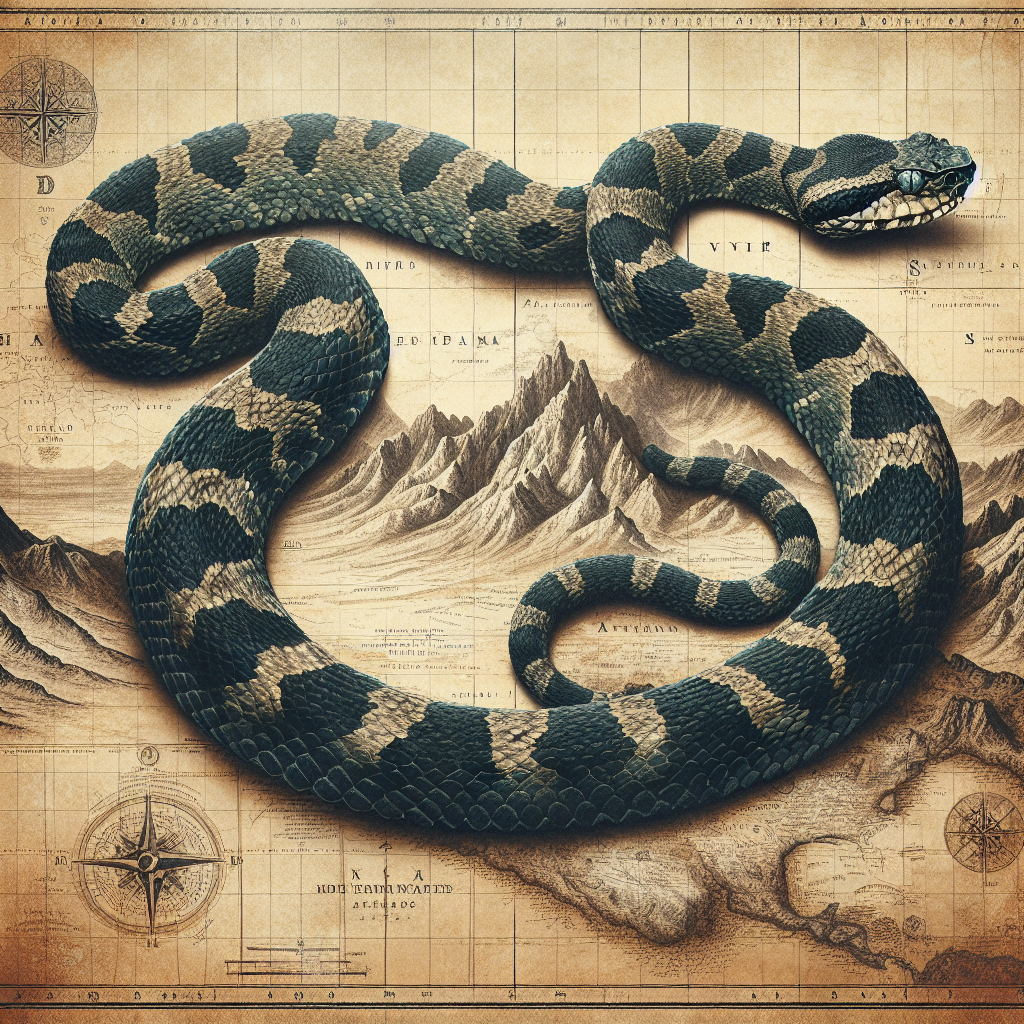

Imagine you're walking through the lush and vibrant ecosystems of South America, where nature’s orchestra plays a symphony of life and danger. You might just find yourself face to face with a creature that embodies both beauty and peril: Bothrops alternatus, commonly known as the urutu or crossed pit viper. This snake slinks through the landscapes of Brazil, Argentina, Paraguay, and Uruguay, capturing both interest and respect with its distinctive markings and potent venom.
Who is Bothrops alternatus?
Bothrops alternatus is no ordinary snake; it’s a fascinating subject for herpetologists and wildlife enthusiasts. As part of the Viperidae family, these vipers measure between 85 to 150 cm in length, with some exceptional specimens stretching even further. They’re known for their intricate, geometric skin patterns, which serve as perfect camouflage against the forest floor and contribute to their captivating appearance. But it's not just their looks that make them special; they're infamous for their hemotoxic venom, making encounters quite dangerous.
Ecological Dwellings: Where and When to Find Them
The urutu doesn't limit itself to a single type of environment. Instead, it thrives in a variety of settings, from the humid subtropical areas to more temperate locales. They prefer lowland forests, savannas, and even regions close to water bodies where their prey is abundant. Nighttime or dusk often sees these vipers becoming more active as they go out hunting for rodents, birds, and frogs—creatures easily found navigating the thick underbrush or skimming water’s edge.
The Ecological Importance: Why We Should Care
While the immediate reaction to such a venomous snake might be fear, it’s essential to recognize the crucial role Bothrops alternatus plays in its ecosystem. As an apex predator, it helps control the population of its prey, contributing to a balanced ecosystem. This natural pest control is invaluable, especially considering the agricultural challenges in some of the regions they inhabit.
Their presence indicates a healthy environment, as apex predators often do. By studying these snakes, researchers gain insights into the health of ecosystems, which is critical as we face increasing environmental challenges. Understanding how these vipers adapt and survive informs conservation efforts and aids in maintaining biodiversity.
Unraveling the Science of Venom
Perhaps the most intriguing and feared aspect of Bothrops alternatus is its venom. Unlike some other snake venoms that target the nervous system, the urutu's venom is primarily hemotoxic. This means it primarily disrupts blood cells and clotting mechanisms, leading to symptoms like pain, swelling, and in severe cases, hemorrhaging. Interestingly, while the venom can cause significant human harm, it’s also a subject of ongoing medical research. Scientists are exploring its potential in developing medications, such as blood thinners and treatments for hypertension and coagulation disorders.
Despite the dangers associated with a bite, antivenom is available, significantly improving recovery outcomes. Understanding and respecting the power of this venomous bite is crucial, especially for those living in or visiting areas where these snakes reside.
Pit Vipers and Environmental Interactions
Bothrops alternatus is not just a lone operator in the wild. It interacts with various other species, making it an integral component of its environment. These interactions aren’t always about predator-prey dynamics; the snake may indirectly support other species by maintaining the balance of the food web.
Additionally, they face threats from human activities such as habitat destruction, which impacts their survival. By increasing awareness and fostering appreciation for these creatures, humans can learn to coexist with them, addressing our fears and promoting environmental harmony.
Human-Snake Dynamics: Coexistence and Education
The magic of these pit vipers lies not only in their ecological role but also in their ability to challenge human perceptions and fears. Engaging with nature—and its inherent risks—equips us with knowledge that fosters mutual respect. Educational programs focused on snake awareness and venomous snake safety can transform fear into understanding and encourage conservation efforts.
With most snake encounters being avoidable, respecting their space is key. Simple precautions, such as wearing boots while hiking, keeping areas around homes clear of debris, and knowing what to do in the event of a bite, can drastically reduce the risk of negative encounters.
An Optimistic Glance at the Future
The future of Bothrops alternatus depends significantly on conservation initiatives that preserve their habitats and encourage coexistence. As explorers of life and champions of science, it falls upon us to continue learning and sharing knowledge about these incredible creatures. Protecting snakes like the urutu not only aids in conserving biodiversity but promotes a sustainable environmental future.
In this dance with danger, there is also an opportunity for understanding and growth—an invitation for us to step into nature’s complexities with both caution and curiosity.