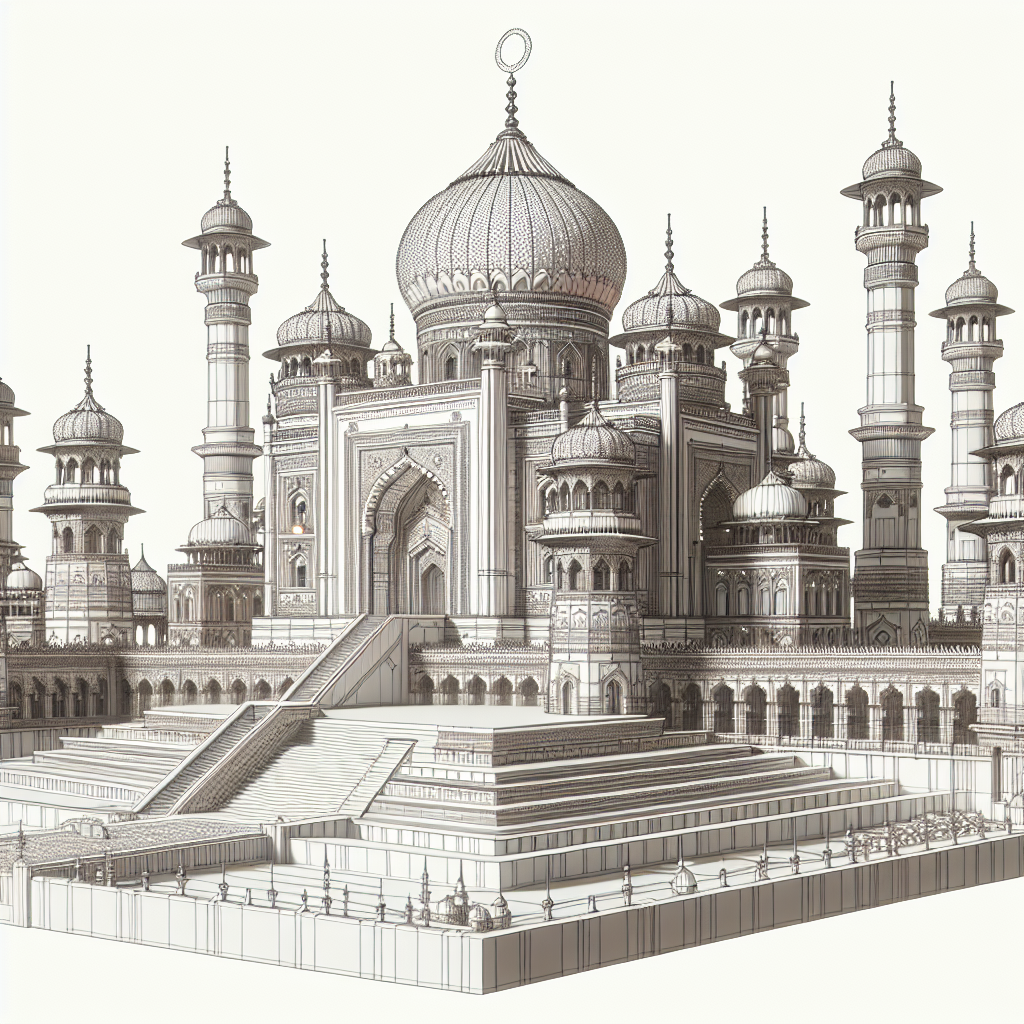

Bhai Ram Singh: The Visionary Behind Indo-Saracenic Architecture
Imagine a world where the elegance of the East meets the grandeur of the West, creating a harmonious blend of architectural beauty. This is precisely what Bhai Ram Singh, a distinguished architect and designer, achieved in the late 19th and early 20th centuries. Born in 1858 in Rasulpur, Punjab, Singh became a pivotal figure in the development of the Indo-Saracenic architectural style, which flourished during the British Raj in India. His work was instrumental in shaping iconic structures that still stand today, such as the Lahore Museum and the Mayo School of Arts, now known as the National College of Arts in Lahore.
Bhai Ram Singh's journey began when he joined the Mayo School of Arts as a student, where he quickly rose to prominence due to his exceptional talent and dedication. Under the mentorship of John Lockwood Kipling, the father of the famous writer Rudyard Kipling, Singh honed his skills and developed a unique style that combined traditional Indian elements with Gothic and Victorian influences. This fusion of styles was not only aesthetically pleasing but also symbolized the cultural exchange between the British and Indian societies during that era.
Singh's most notable contributions include his work on the Durbar Hall in Osborne House on the Isle of Wight, commissioned by Queen Victoria herself. This project showcased his ability to integrate intricate Indian craftsmanship with Western architectural principles, earning him international acclaim. His designs often featured ornate carvings, domes, and arches, which became hallmarks of the Indo-Saracenic style.
The significance of Bhai Ram Singh's work lies in its ability to transcend cultural boundaries and create a dialogue between different artistic traditions. His legacy continues to inspire architects and designers worldwide, reminding us of the power of creativity and collaboration in building a more interconnected world. Through his visionary designs, Singh not only left an indelible mark on the architectural landscape of his time but also paved the way for future generations to explore the endless possibilities of cross-cultural design.