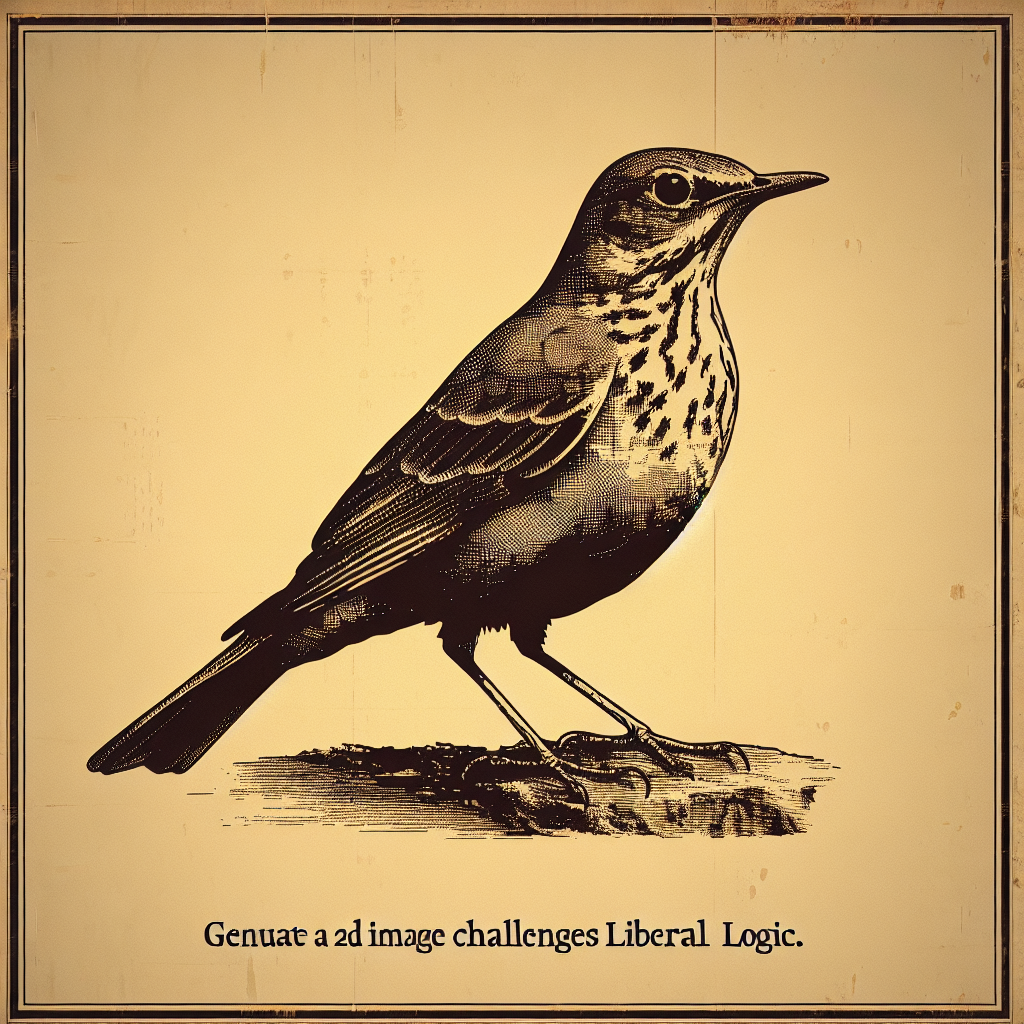

The Bare-Eyed Thrush: Nature's Melodious Marvel with a Splash of Personality
If birds could audition for a leading role in a symphony of tweets, the Bare-eyed Thrush would surely snag the part! A member of the Turdidae family, this charming bird captivates not only with its harmonious songs but also with its unmistakable eyes etched with charisma! Known scientifically as Turdus nudigenis, the Bare-eyed Thrush can often be found flitting around the warm regions of northern South America and the Southern Caribbean, delighting bird watchers and contributing to our mesmerizing world of biodiversity.
Who's the Feathered Friend?
Defining Characteristics
The bare-eyed thrush does justice to its name with its defining characteristic—those prominent bare eyes! These olive-yellow spectacles give it an endearing cartoonish appearance, lending an air of perpetual surprise or curiosity. When it comes to body features, this medium-sized bird boasts a length of around 23–25 cm, making it adept at blending into the verdant landscapes it inhabits.
Peerless Callers
Apart from its engaging physical appearance, the Turdus nudigenis is highly appreciated by auditory senses as well. Its vocalizations often include clear, sweet, sustained notes, recognizable from remarkable distances. These tuneful bursts not only serve a function in communication and mate attraction but also add a serene soundtrack to its lush habitats.
Habitat: A Tropical Haven
Where It Calls Home
The warm, comfortable climates of northern South America, especially the likes of Venezuela, Trinidad and Tobago, and the Lesser Antilles, witness the everyday drama of life for the Bare-eyed Thrush. These regions offer a plethora of tropical and subtropical ecosystems, ranging from dense humid forests to semi-open woodlands and even gardens in urban areas!
Benefits of Diversity
Such diverse environments not only accommodate the thrush's basic survival needs but also enhance its diet versatility, predominantly consisting of fruits, insect tidbits, and sometimes small invertebrates. The abundance found in these habitats is essential for supporting the thriving populations of this vibrant species.
A Scientific Spectacle
Taxonomy Insights
The scientific community lovingly segments our avian hero within the Turdidae family. First cited by George Such in 1848, this bird has posed as a riveting subject for ornithologists studying its ecological roles and interactions. A fascinating fact to ponder is how this species exemplifies nature's intricate puzzle of biodiversity, playing a crucial role in sustaining the ecological balance.
Reproduction and Life Cycle
The reproductive habits of the Bare-eyed Thrush align with its natural rhythm, typically commencing with the rains. It's during this time that they find the perfect invitation to breed, benefiting from the proliferation of insects and lush foliage that aid in nesting. With clutches averaging 2 to 3 eggs, they display remarkable devotion to nurturing their young. It also contributes to the cycle of life, reinforcing biodiversity, and teaching us valuable lessons in resilience and adaptation.
Birds and Humanity: A Harmonious Melody
The Bigger Picture
Why should we, as members of humanity, care about this little bird? Well, the existence of the Bare-eyed Thrush is more than just an avian fascination. This creature is a testament to the incredible adaptability and majesty of life on Earth. Birds like the Bare-eyed Thrush play critical roles in seed dispersal, pest control, and ecosystem equilibrium, which directly or indirectly benefit human societies.
Appreciating Avian Allies
For bird watchers, ecologists, or someone who simply cherishes nature's melodious bouquet, observing the Bare-eyed Thrush offers not only joy but also valuable lessons in connectivity and coexistence. By encouraging biodiversity conversations and awareness, these birds remind us of the inherent value of all species—each one a perfect note in the grand symphony of life.
Looking Forward: Conserving Euphonic Edens
Conservation Challenges
Despite its seemingly plentiful presence, many of the natural habitats of the Bare-eyed Thrush face threats from deforestation, urban sprawl, and climate change, challenging the species' sustainability. As stewards of this globe, addressing these conservation issues with actionable solutions is paramount for ensuring these wonderful birds continue to thrive in their natural concert halls.
Optimism in Action
By participating in and supporting conservation efforts, from local ecological studies to global habitat preservation campaigns, we can foster environments where the Bare-eyed Thrush continues to flourish. The joy of seeing and hearing these birds enrich us all, and their continued vitality is but a token of our broader success in nurturing the world we've grown to love.
In the exuberant world of the Bare-eyed Thrush, there lies an ecosystem lesson waiting for our curious minds to explore and cherish. Let every songbird be a reminder of nature's triumphant music, a call to restore balance, and a testament to the power of shared existence.