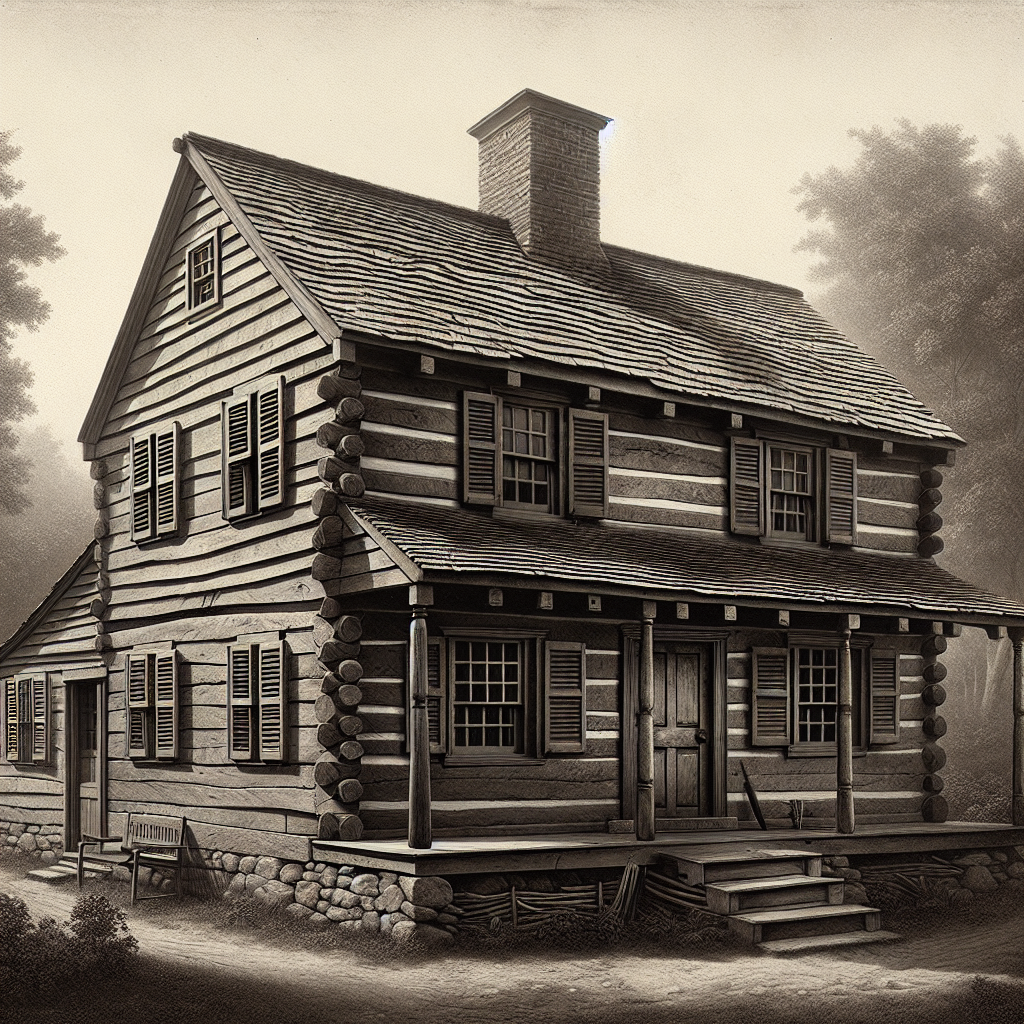

Have you ever wished for a time machine? Well, if you find yourself in Arlington, Virginia, the Ball–Sellers House might just be the closest thing! This charming historic residence is a living relic of the 18th century, built by a humble Virginian farmer named John Ball in the 1740s. Designated a historic site by the Arlington Historical Society, it offers an intriguing glimpse into the everyday life of early American settlers, the transformations of architectural wonders over centuries, and the enduring spirit of resilience and innovation that has shaped the United States.
A Journey Back in Time: Who Built the Ball-Sellers House?
The Ball–Sellers House, an endearing symbol of colonial America, is named after two families who were its key stewards through the ages—the Balls, its creators, and the Sellers, who kept it alive into the 20th century. The original structure, a rustic log cabin, was conceived in the 1740s by John Ball, a farmer seemingly of modest means. Ball was a man of the land, and his craftsmanship reflects a farmer’s practicality and resourcefulness.
Fast forward to the mid-1800s, the house was purchased by William and Antonia Sellers, a couple who brought new life to this historic domain. They expanded and modernized the structure to accommodate the evolving needs of the generations that would come after them, creating a vibrant narrative of adaptability and continuity.
What Makes the Ball–Sellers House So Special?
The essence of the Ball–Sellers House lies in its authenticity and its duality as a home and historical artifact. Unlike many colonial homes that have been extensively remodeled, the Ball–Sellers House has retained its original features, offering visitors a rare glimpse into 18th-century architectural techniques.
The house's most captivating feature is its preserved log walls, hidden beneath the siding that was later installed by the Sellers. These walls are not just wood and nails; they are woven with tales of early American life—tales of survival, community, and a fledgling nation's birth pains. Inside, the simple yet functional layout mirrors the era’s lifestyle, with a large multipurpose room serving as the kitchen, gathering area, and workspace.
The Architectural Evolution: Embracing Change
Observable within the Ball–Sellers House is a narrative of architectural evolution. The original 1740s structure represents quintessential colonial architecture—utilitarian, robust, and elegantly austere. Additions made in the 19th century exhibit how homes adapted to the changing times, with enhancements such as a larger kitchen area and modern windows reflecting broader societal shifts.
This continuity and transformation echo the scientific principles of adaptation and change—building blocks of both human and natural progression. The house is a testament to how humans have continually innovated to improve their living conditions while maintaining a connection to their roots.
Conserving History: The Role of the Arlington Historical Society
The stewardship of the Arlington Historical Society has been central to the preservation of the Ball–Sellers House. In 1975, recognizing its cultural and historical significance, the historical society acquired the property, transforming it into a museum. Their passionate efforts ensure that this treasure continues to educate and inspire future generations.
The site is more than a vestige of the past; it is an active educational resource. Visitors can engage with history directly, exploring exhibits that range from colonial farming tools to personal artifacts of both the Ball and Sellers families. Interactive tours offer enriching insights into the craft and cunning of early American homesteaders, perfectly marrying scientific curiosity with historical narrative.
A Beacon of Optimism and Resilience
The Ball–Sellers House stands as a beacon of optimism and resilience, inviting us to appreciate the intricate tapestry of human history. Its walls resonate with stories of ingenuity and adaptation—qualities that have powered human progress for millennia.
Every corner of this house whispers secrets of a bygone era, while also encouraging us to reflect on our own roles in the ongoing story of humanity. It celebrates our innate ability to overcome challenges, adapt to new realities, and forge novel paths into the future.
For history buffs, architecture aficionados, and anyone interested in the marvelous tale of human perseverance, the Ball–Sellers House is a magnificent portal through which one can journey to an era of simplicity and significance. As you wander its creaky floors, prepare to be transported, inspired, and enlightened by the echoes of past centuries—a legacy that endures, evolving in tandem with the people it continues to inspire.
Visit the Past: Why You Should Visit the Ball–Sellers House
In visiting the Ball–Sellers House, you’re not just stepping into a preserved piece of architecture; you’re embracing a living story where each artifact, wall, and room plays a pivotal role in America's epic history. It’s a vivid reminder that beneath our modern lives lies a foundation built by those who dared to imagine a brighter future.
Whether you’re a student, a family on a weekend outing, or an avid history enthusiast, the Ball–Sellers House offers a straightforward yet profound exploration of humanity’s unyielding spirit of discovery and perseverance.
Whether you’re taking in a special exhibit, attending a seasonal event, or simply strolling through the serene garden, the experience offers a unique perspective on how far we’ve come and the endless possibilities of where we might go from here.