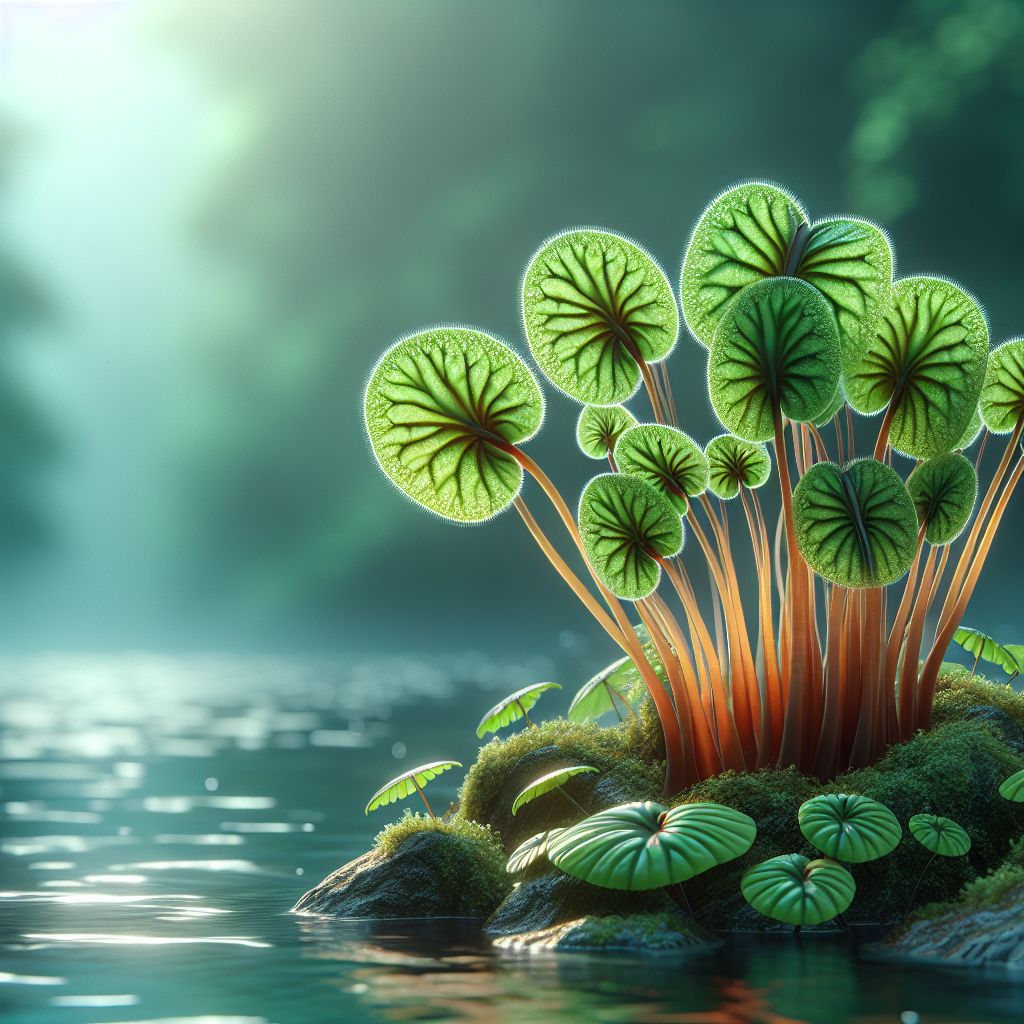


Have you ever encountered a plant so fascinating that it seems to shimmer with mystery? Meet Ascarina lucida, an enigma rooted in the mystical landscapes of New Zealand. Known locally as the Hutu, this plant thrives in the moist, shaded understories of New Zealand's coastal and montane forests. But what makes Ascarina lucida particularly captivating is its ancient lineage and peculiar biological features that challenge our understanding of plant evolutionary processes.
The Science of Ascarina Lucida
Ascarina lucida belongs to the family Chloranthaceae, a group of plants with a lineage tracing back over 125 million years. This means Ascarina lucida is not just a witness to, but also a participant in, Earth's grand evolutionary narrative. The plant plays an essential role in maintaining the ecological fabric of New Zealand's forest ecosystems, offering insights into both historical and contemporary biodiversity.
Characteristics and Identification
What exactly does Ascarina lucida look like? Well, this small tree or shrub can grow up to 10 meters tall. The leaves are bright green, elliptic or oblong, with serrated edges that give the plant its distinctive appearance. When you wander through these forests, it's the delicate texture and glossy finish of its leaves that may draw your attention.
One standout characteristic is the plant's dioecious nature, meaning it has distinct male and female plants. This trait is a fascinating aspect of its reproductive strategy, ensuring genetic diversity and resilience. The flowers are tiny, often clustered in small spikelets. While not particularly showy, they hold their charm, contributing subtly to the plant's allure.
Where to Find Ascarina Lucida
If you ever embark on an adventure to New Zealand, take time to explore the coastal and lowland areas of the country’s North and South Islands. Ascarina lucida is most commonly found in the North Island’s forests, where it often keeps company with a prospering variety of ferns, conifers, and other native trees.
These environments, rich with moisture and sheltered from direct sunlight, provide ideal conditions for the plant. The thriving ecosystem also demonstrates the interdependence between native plant species, insects, birds, and the wider environmental context. It's like being part of a living, breathing tapestry woven with ancient threads that have witnessed centuries of natural history.
Ecological Importance and Conservation
Ascarina lucida is more than just a pretty face in the forest; it is pivotal to ecological well-being. It participates actively in nutrient cycling and provides habitat and food for various native bird species. Its presence maintains the health and stability of the ecosystem.
Despite its resilience, Ascarina lucida, along with many other native species, faces challenges in the form of human industrial activity, invasive species, and habitat loss. Conservation efforts are crucial to ensuring that this unique piece of New Zealand's natural heritage continues to flourish. Organizations are working conscientiously to protect these ecosystems through planting programs and controlling invasive species.
A Botanical Mystery: The Evolution of Chloranthaceae
The family Chloranthaceae, and particularly Ascarina lucida, presents a compelling puzzle for botanists. The evolution of its floral structure remains a mystery. Some scientists hypothesize that the family's ancient origins lie in the southern supercontinent Gondwana, while others explore its migration patterns across ancient land bridges.
The evolutionary curiosity surrounding Ascarina and its relatives poses questions about plant structural evolution and genome complexity. These inquiries drive bold research that fuels scientific enthusiasm for discovering more about the processes that shaped our planet’s plant heritage.
Embracing the Wonder of Ascarina Lucida
Besides its botanical allure, Ascarina lucida is a symbol of optimism and resilience—a living testament to the Earth's dynamic history. This plant encourages us to appreciate biodiversity and the interconnectedness of life on this planet. As we deepen our understanding of such species, we enrich our ability to protect and preserve them for future generations.
What more could one ask for in a plant? Ascarina lucida reminds us of the beauty of ancient mysteries, the intricate ties of ecological networks, and our own role in the great dance of nature. As we continue to study and learn from this extraordinary species, let it serve as a beacon of hope and enlightenment in our collective pursuit of knowledge.