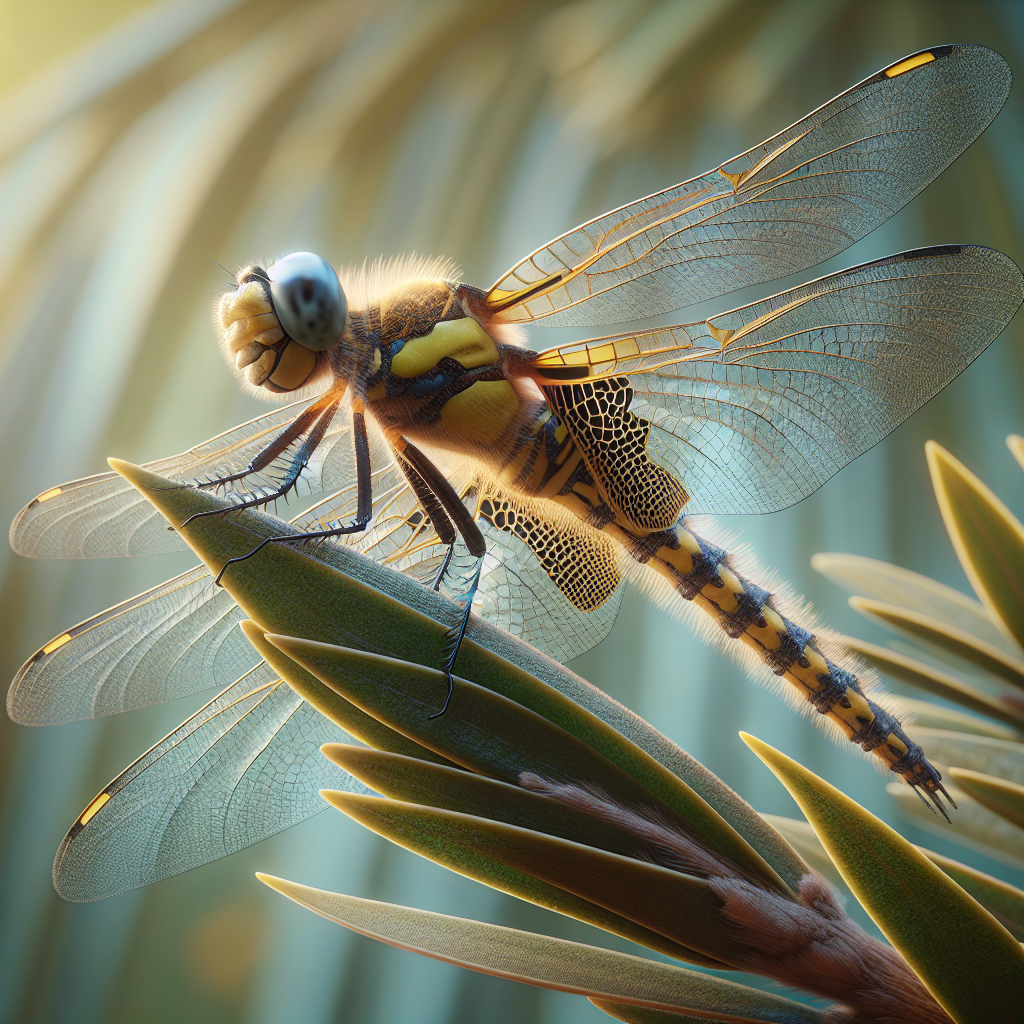

The Enigmatic World of Antipodogomphus hodgkini: A Glimpse into Dragonfly Diversity
Have you ever imagined what it would be like to discover a new species that's literally out of this world? Welcome to the mysterious yet mesmerizing universe of Antipodogomphus hodgkini, a species of dragonfly that buzzes around the verdant landscapes of Australia, injecting life into ecosystems with its intricate flight patterns and vibrant presence.
The Who, What, When, Where, and Why of Antipodogomphus hodgkini
Unveiled to the scientific community by Watson in 1969, Antipodogomphus hodgkini belongs to the Gomphidae family, often known as clubtail dragonflies. These fascinating creatures are native to the north-western regions of Australia, specifically favoring the tropical regions where freshwater streams and rivers provide a vital lifeline. As guardians of aquatic environments, these dragonflies play a significant role in maintaining ecological balance, making them crucial indicators of environmental health.
Let’s Talk Biology: Unpacking the Anatomy
Like an engineering marvel, the Antipodogomphus hodgkini is built for precision and agility. These dragonflies possess an elongated body complemented by two pairs of powerful, transparent wings. Their eyes are remarkably designed, allowing nearly 360-degree vision, which is vital for hunting prey with exceptional accuracy as well as evading predators.
The members of Gomphidae are termed clubtails due to the distinct broadening of their abdomen near the tail, resembling a club. This unique feature not only contributes to their aerodynamic form but also plays vital roles in mating rituals and territorial displays.
Lifecycle: From Aquatic to Aerial
Dragonflies display a fascinating metamorphosis from waterborne nymphs to age-defying aerial artists. The life cycle of Antipodogomphus hodgkini begins as eggs laid by the female in freshwater. These hatch into nymphs, which can spend months or even years underwater, preying on aquatic invertebrates.
Upon reaching maturity, the nymph crawls out of the water, and the transformation continues as it sheds its exoskeleton to emerge as a fully-fledged dragonfly. The adult lives a much shorter life compared to its nymph stage but uses this time fruitfully, focusing on reproduction and maximizing ecological contributions.
Guardians of the Ecosystem
Dragonflies like Antipodogomphus hodgkini serve as important bioindicators; their presence signals a healthy water ecosystem. These creatures help control populations of mosquitoes and other insects, safeguarding humans and animals from potential diseases. Furthermore, their very existence reflects the vibrancy and diversity of their habitat, often inspiring conservation efforts focused on aquatic ecosystems.
The Art of Courtship and Mating
The vibrant dance of dragonfly courtship is a spectacle of nature’s artistry. Male Antipodogomphus hodgkini, with their luminescent coloration and robust flight maneuvers, charm potential mates in carefully orchestrated rituals. Males establish territories and fend off rivals, which is a testament to the natural world's unyielding push towards survival and reproduction.
Once a female is convinced, mating takes place in mid-air — a feat of aerial acrobatics that underscores the dragonfly’s dexterity and vigor. The female then lays eggs in a suitable watery location, thus perpetuating the cycle of life.
Conservation Challenges: A Call to Action
Despite their ecological importance, dragonflies face challenges akin to several wildlife species. Human-induced environmental changes like pollution, habitat destruction, and climate change threaten their existence. While Australia continues to harbor a wealth of habitats favorable to dragonflies, ongoing conservation efforts are imperative to ensure their survival.
Efforts such as habitat protection, restoration projects, and pollution reduction initiatives can significantly help preserve these ecological gems. Engaging communities and raising awareness around the importance of dragonflies and their habitats is crucial for maintaining biodiverse, healthy ecosystems.
Fascination Breeds Conservation
It’s incredibly optimistic to note that fascination with dragonflies can spark rather extraordinary conservation efforts. Whether you're a budding entomologist, a nature enthusiast, or someone with a penchant for beautiful life forms, each newfound interest in species like Antipodogomphus hodgkini can contribute to global strides toward environmental awareness and preservation.
Education and community involvement are powerful tools in safeguarding these creatures, ensuring that future generations continue to marvel at the dance of the dragonfly, a true icon of resilience and vitality.
A Future for the Dragonfly
As we learn more about species like Antipodogomphus hodgkini, we ignite a spark of hope for the balance and beauty of our planet's diverse life forms. By championing dragonflies, we become custodians of the natural world, pledging to protect the rhythmic pulse of life sustained by these ethereal dancers.
So next time you spot a dragonfly skimming the water’s surface or darting through the air, hold a momentary pause for appreciation. It’s not merely an insect — it’s a symbol of ecological harmony and a reminder of the intricate threads woven through the web of life.