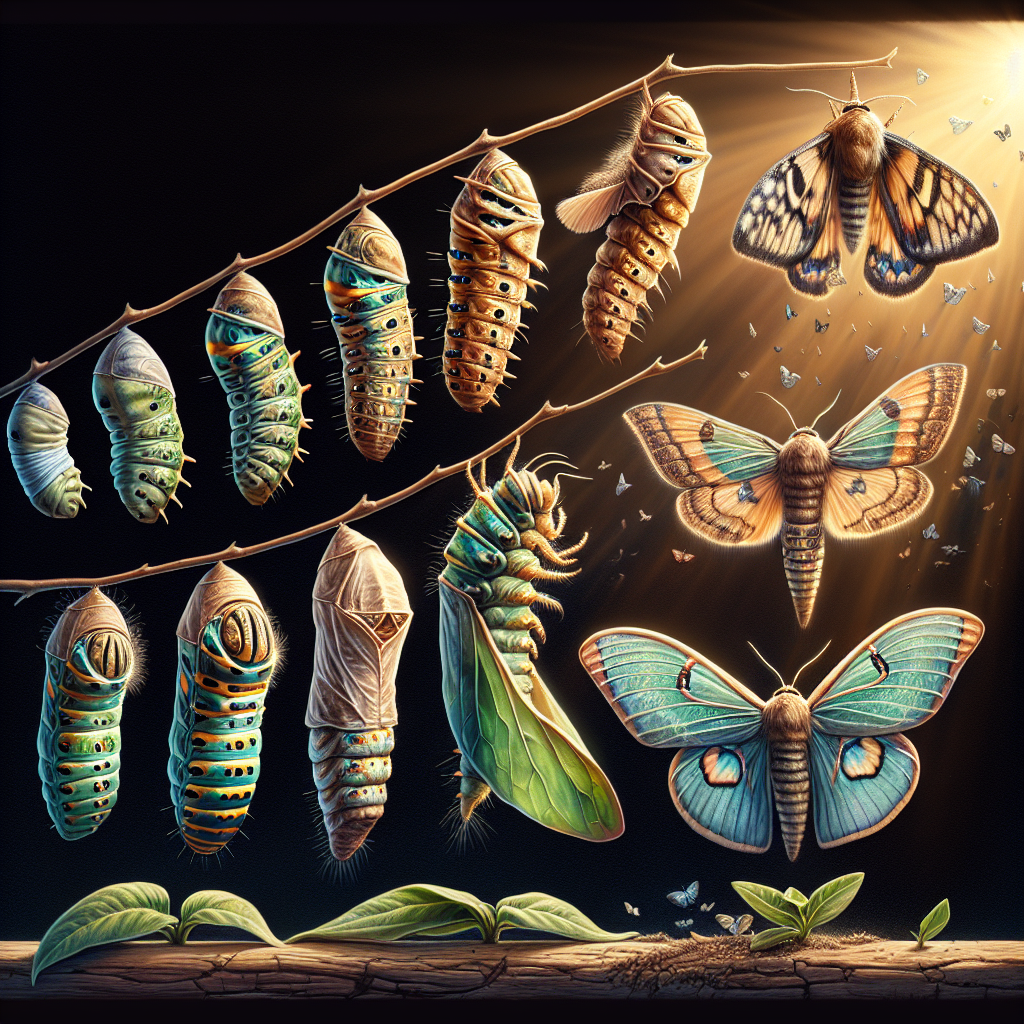

Meet Anania stachydalis: The Moth with a Secret Life
Imagine a world where even the tiniest creatures hide astonishing secrets, a world right beneath our noses teeming with life. This is the enchanting realm of Anania stachydalis, a moth species that might not headline wildlife documentaries, yet it plays a surprisingly sophisticated role in its ecosystem. Discovered in areas ranging from parts of Europe to Asia, these nocturnal insects are a testament to nature's diversity and adaptability.
Anania stachydalis primarily thrives in meadows and woodlands, often unnoticed even by those who pride themselves on their acute observations of nature. During daylight hours, they rest camouflaged against tree barks and leaves, but as dusk cloaks the world in darkness, these moths flutter to life, gastronomy adventurers on a quest for sustenance. With the onset of night, they seek out their plant partners, particularly those in the Lamiaceae family. Their diet predominantly consists of plants like mint and nettle, making them a nocturnal gardener of sorts, subtly aiding the spread of these plant species by their interactions.
The Unseen Biodiversity in Anania stachydalis
To unravel the hidden tapestry of Anania stachydalis, we must first appreciate the intricate dance of survival this moth performs. Like many other species within the large Crambidae family, its lifecycle is a fascinating tale of metamorphosis. Starting as an egg, it hatches into a leaf-loving caterpillar, bushwhacking through plant leaves in what seems like an insatiable quest for life. This isn’t just feeding; it’s a part of their natural cycle benefiting the ecology by managing plant growth.
As the caterpillar matures, an instinctive transformation begins. Wrapped in a silken cocoon, the caterpillar patiently embarks on the miraculous journey of metamorphosis, reemerging as a moth. Though quite common in character, its transformation epitomizes nature’s miracle – the caterpillar dissolves itself in a digestive bath to reform, illustrating the breathtaking complexity and resilience found in the simplest organisms.
The Significance of Anania stachydalis
Anania stachydalis is not just another moth fluttering through the evening air; it’s a fundamental thread in nature’s vibrant tapestry. Its interaction with plant life is symbiotic—it offers the plants pollination services while ensuring its survival and propagation. This relationship is pivotal not only for the continuation of these moths but also for maintaining the health and reproduction intricacies of their native flora.
The very existence of Anania stachydalis underscores the importance of conserving diverse ecosystems. Each moth, plant, and microorganism play their part in balancing the scales of life, and in doing so, they support the broader systems that sustain humanity. Our fate, albeit often forgotten, is intricately woven with theirs.
Challenges and Conservation
However, the existence of Anania stachydalis isn't without challenges. Habitat destruction, climate change, and pesticide use threaten their serene existence. Like so many species, these moths face the silent eroding forces of human expansion. Conservation efforts become vital here; safeguarding green spaces, promoting organic agriculture, and supporting local biodiversity programs must be prioritized to ensure Anania stachydalis and its kind continue their night-time gardens.
Future research aims to explore these small but crucial players in our ecosystems further, unraveling their roles and enhancing our understanding of ecosystem dynamics. In doing so, we enrich not only our knowledge but our ability to foster a future where moths and men can coexist harmoniously.
A Future in Symbiosis
As we recognize the value Anania stachydalis and its kind bring to our world, it spurs a new perspective on conservation. Embracing the lesser-known, often-overlooked species in conservation conversations can bolster sustainability efforts. Just as they support plant lifecycles, they serve as vital indicators of an environment's health and biodiversity.
Anania stachydalis has much to teach us about adaptation, transformation, and ecosystem management. Through them, we learn the art of patience and the power held in small, consistent contributions. Our world is filled with beautiful complexities, inspired by phenomena as small as a moth’s wing beat to vast cosmic movements. Every piece is invaluable, demonstrating how intertwined our world truly is and awakening an optimism that through understanding and appreciation, humanity can thrive alongside nature.
As we continue to uncover the mysteries nestled within our own backyards, let’s carry forward the curiosity Anania stachydalis inspires, as it is only in curiosity that we find answers, innovations, and a better tomorrow.