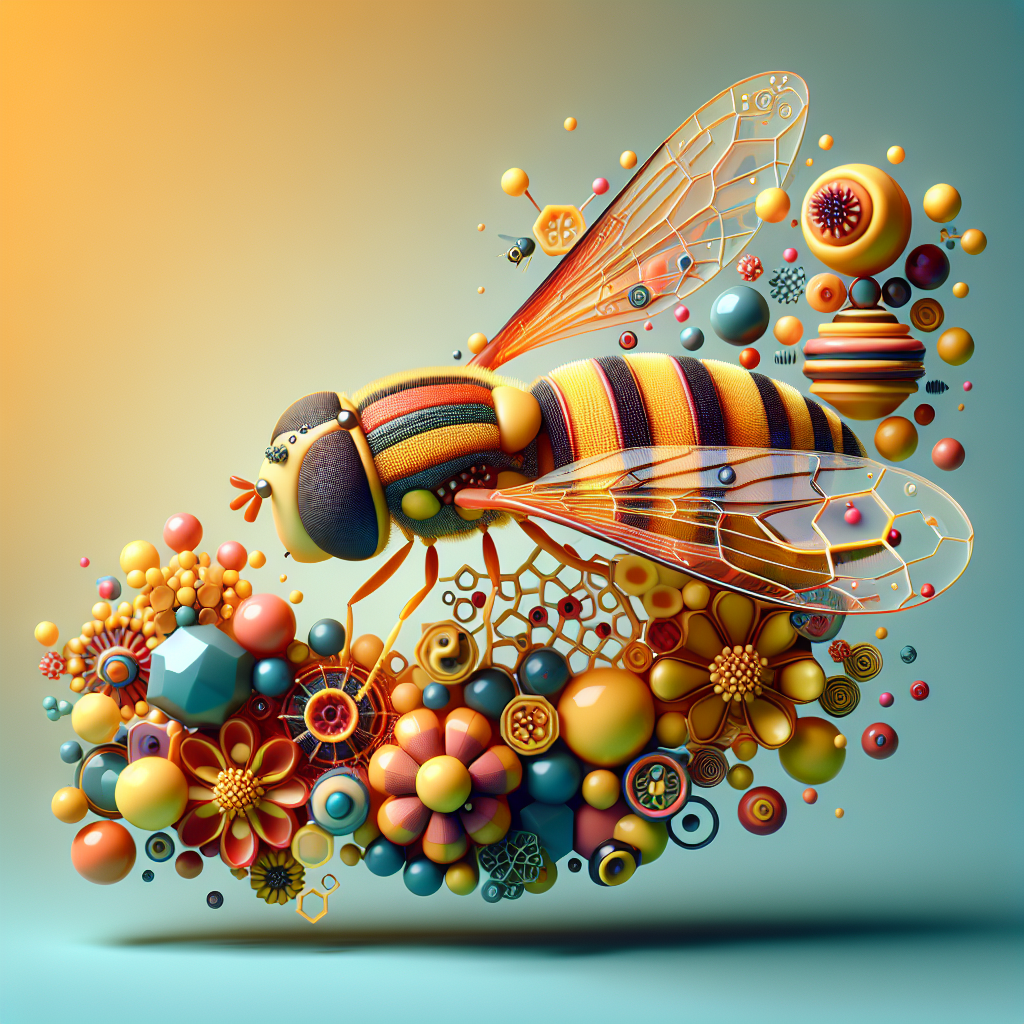

Welcome to the enchanting world of Allograpta exotica, a charismatic little insect with a big impact! Imagine a tiny visitor fluttering about your garden, zipping from flower to flower with an elegance that seems almost deliberate. Yes, this picturesque member of the Syrphidae family, commonly known as the hoverfly, is not only a delight for the eyes but also an unsung hero of pollination.
Who is Allograpta exotica?
Allograpta exotica is a species within the diverse family of hoverflies, which have been captivating scientists and insect enthusiasts alike. Known for its striking appearance and beneficial ecological roles, this species primarily makes its presence known in parts of North and Central America. The genus Allograpta, in particular, is appreciated for its mimicry of more dangerous wasps, which provides them some handy protection against predators without the sting to back it up!
The Aesthetic Wonder of Hoverflies
Hoverflies, including Allograpta exotica, are often mistaken for bees or wasps. Their distinctive banded appearance serves as a defense mechanism known as Batesian mimicry. Isn’t it fascinating how evolution equips these harmless creatures to frighten off potential threats? Picture this: a small, hovering insect that looks like a bee but possesses none of its sting—how nature finds ways to amaze us!
Moreover, their flight patterns are nothing short of a physics lesson in action. Hoverflies, famous for their ability to hover mid-air, can dart with startling agility. This ability is not only mesmerizing but critically important, allowing them to access pollen and nectar from a myriad of plant species, including those with intricate flower structures.
The Lifecycle and Habitats
The life of Allograpta exotica follows a typical hoverfly lifecycle involving egg, larva, pupa, and adult stages. This sequence predominantly occurs in habitats abounding with flowering plants. Their larvae are beneficial to agriculture and gardens as voracious predators of aphids and other plant-sucking pests. Such diet preferences make them laudable biocontrol agents, naturally regulating pest populations without the need for chemical pesticides.
These hoverflies burst into sight during warmer seasons, predominantly in temperate areas where flower abundance is at its peak. Think of gardens, fields, and meadows buzzing with life—the perfect backdrop for these industrious insects! It is noteworthy that while adults feast on pollen and nectar, ensuring their role as vital pollinators, the larvae's contribution to biodiversity is equally essential.
Why They Matter: Ecosystem Allies
One often wonders: why should we care about such small actors on the ecological stage? Well, Allograpta exotica serves a dual role in the ecosystem. Firstly, it assists in pollination, supporting the reproduction of flowering plants. This invisible yet impactful task carries ecological and agricultural significance. Without pollinators like hoverflies, many fruit and vegetable crops would face pollination deficits, impacting food supply and biodiversity.
Secondly, their larvae play a part in natural pest management, as they help control the population of destructive pests, reducing the need for chemical interventions that can harm ecosystems. Allograpta exotica, through its life cycle, bolsters the sustainability and resilience of ecosystems.
How Scientists Study Allograpta exotica
Research on Allograpta exotica and related species often involves entomology fieldwork to observe their habits and ecological interactions. Advanced techniques like genetic sequencing have broadened our understanding of their role within the ecosystem and evolutionary biology, leading to surprises in how species adapt and survive.
Scientists also mimic natural environments in laboratory settings to study hoverfly behavior, dissecting everything from flight dynamics to feeding habits. These meticulous studies unravel layers of complexity in their behavior, providing insights that can enhance biodiversity conservation strategies.
The Future with Allograpta exotica
Our love for learning and the protection of our natural world should spur more interest and effort towards conserving species like Allograpta exotica. They highlight the richness of biodiversity and the delicate balance that maintains our natural world. With ongoing research and conservation measures, we can better support hoverfly populations in the face of habitat loss and other challenges.
Each interaction with nature’s creatures forms a chapter in our collective journey to understand the planet we call home. Isn't it invigorating to contemplate how even the smallest organisms play crucial roles in this vibrant tapestry of life? Next time you see a hoverfly busily zipping about, consider pausing for a moment to appreciate its beauty and importance.
A Call to Action
We can each contribute to the survival of these vital allies by creating insect-friendly environments. Encourage native plantings, avoid chemical pesticides, and support initiatives that focus on pollinator conservation. Together, let’s nurture the habitat for these stunning hoverflies. After all, in learning about and protecting species such as Allograpta exotica, we protect our very own future.