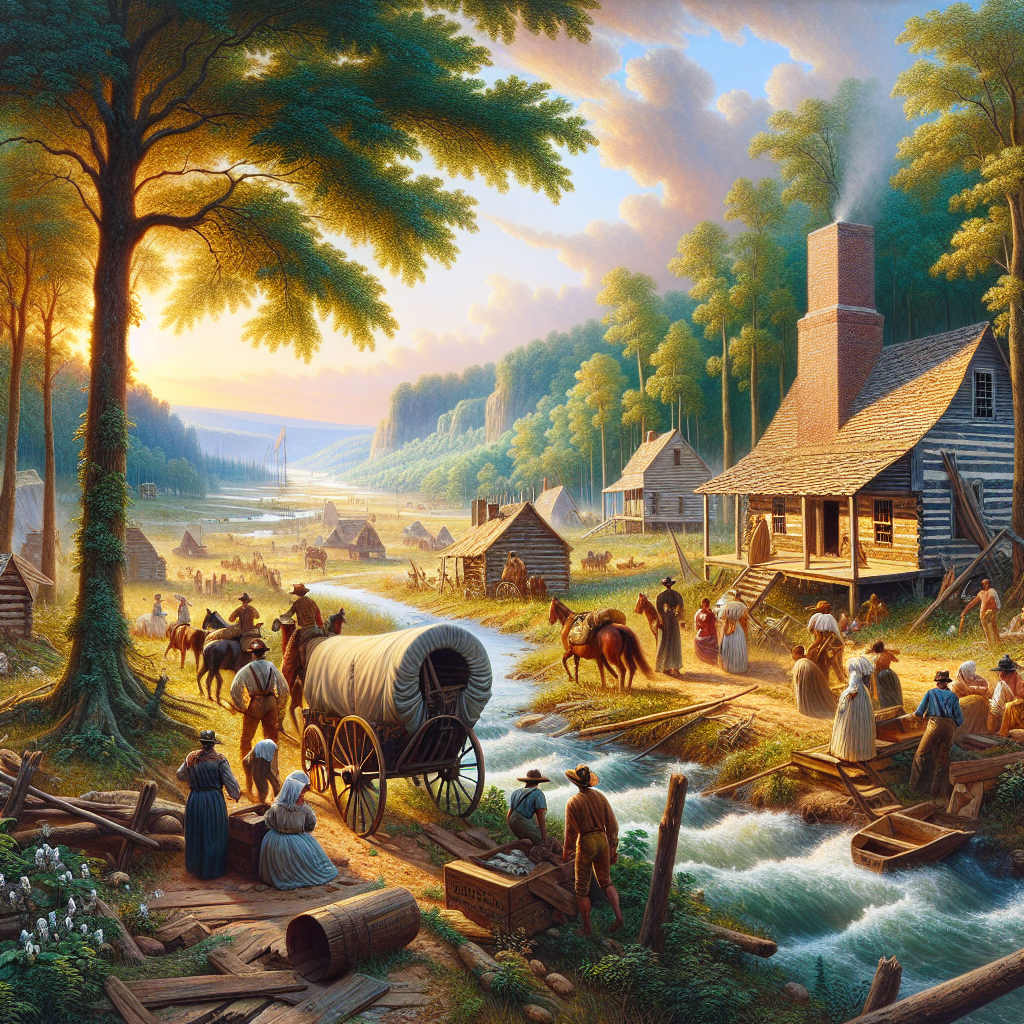

The Birth of the Alabama Territory: A Journey to Statehood
Imagine a time when the land that is now Alabama was a wild frontier, teeming with potential and promise. This was the scene in 1817 when the Alabama Territory was officially established. The United States Congress created the Alabama Territory on March 3, 1817, carving it out from the larger Mississippi Territory. This decision was made to better manage the growing population and to facilitate the path to statehood for the region. The territory encompassed what is now the state of Alabama, with its capital initially set in the town of St. Stephens, located on the Tombigbee River. The creation of the Alabama Territory was a significant step in the westward expansion of the United States, driven by the desire for new land and opportunities.
The Alabama Territory was a vibrant tapestry of diverse cultures and peoples. Native American tribes, including the Creek, Cherokee, Choctaw, and Chickasaw, had long called this region home. European settlers, primarily from the eastern United States, were drawn to the fertile lands and the promise of prosperity. The territory's establishment marked a period of rapid growth and development, as settlers poured in, eager to claim land and build new lives. This influx of settlers led to increased tensions with the Native American tribes, culminating in conflicts such as the Creek War, which had significant implications for the region's future.
The journey from territory to statehood was swift. Just two years after its creation, Alabama was admitted to the Union as the 22nd state on December 14, 1819. This transition was fueled by the burgeoning population and the economic potential of the region, particularly in agriculture. Cotton became the dominant crop, driving economic growth and shaping the social and political landscape of the new state. The establishment of the Alabama Territory and its subsequent statehood were pivotal moments in American history, reflecting the nation's relentless push westward and the complex interplay of cultures and interests that defined this era.
The legacy of the Alabama Territory is still evident today. Its creation set the stage for Alabama's development into a key player in the American South, with a rich history and a diverse cultural heritage. The story of the Alabama Territory is a testament to the dynamic forces of change and the enduring spirit of exploration and opportunity that have shaped the United States. As we look back on this fascinating chapter in history, we are reminded of the resilience and determination that continue to drive human progress.