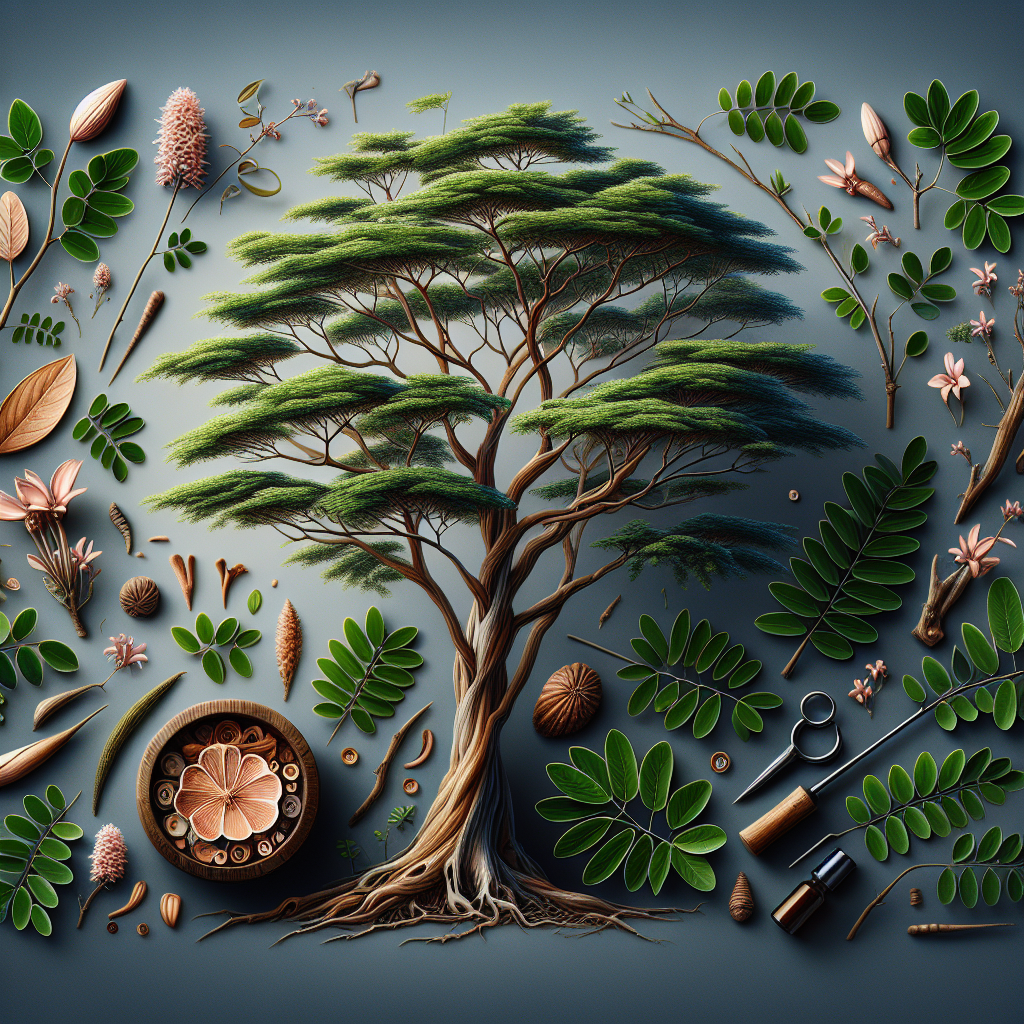

The Marvelous Acacia Sessilis: Nature's Resilient Wonder
Acacia sessilis, a fascinating shrub native to the southwestern regions of Australia, is a botanical marvel that thrives in the challenging conditions of its environment. This resilient plant, also known as the "spreading wattle," is a member of the Fabaceae family and has adapted to flourish in the nutrient-poor soils and arid climate of its homeland. First described scientifically in the 19th century, Acacia sessilis has captured the interest of botanists and nature enthusiasts alike due to its unique adaptations and ecological significance.
Acacia sessilis is a small, spreading shrub that typically grows to about 1 to 3 meters in height. Its branches are adorned with phyllodes, which are modified leaf stems that perform the function of leaves. These phyllodes are an adaptation to the harsh, dry conditions of its native habitat, reducing water loss and allowing the plant to survive in areas with limited rainfall. The plant blooms with bright yellow, spherical flowers that attract a variety of pollinators, playing a crucial role in the local ecosystem.
The "spreading wattle" is not just a survivor; it is a vital component of its ecosystem. Acacia sessilis contributes to soil fertility through its ability to fix nitrogen, a process that enriches the soil and supports the growth of other plant species. This makes it an important player in the restoration of degraded landscapes and a valuable resource for conservation efforts.
In addition to its ecological benefits, Acacia sessilis has cultural significance for Indigenous Australians, who have traditionally used various parts of the plant for food, medicine, and tools. Its resilience and adaptability make it a symbol of endurance and resourcefulness, qualities that are deeply respected in many cultures.
The study of Acacia sessilis offers insights into the incredible adaptability of life on Earth and the intricate relationships within ecosystems. As we continue to explore and understand this remarkable plant, we gain a greater appreciation for the diversity and resilience of the natural world.