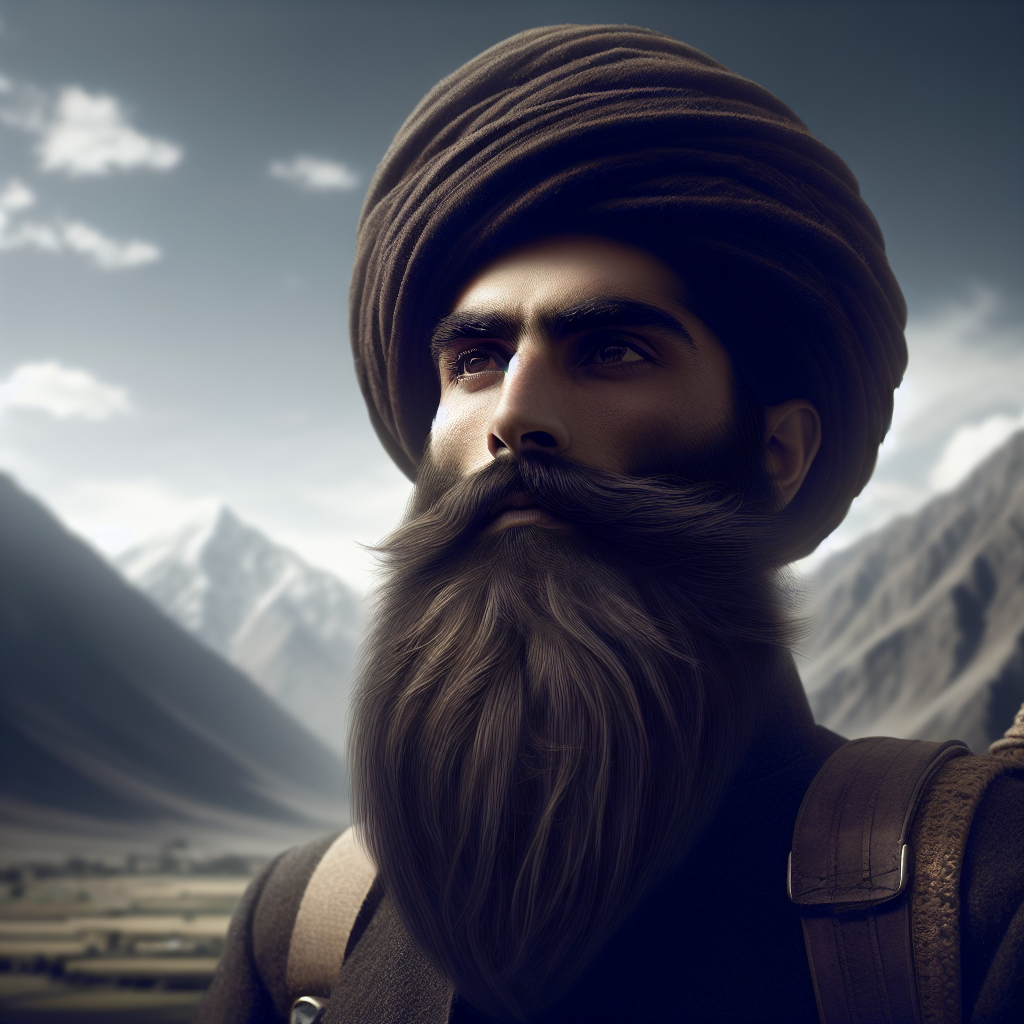

Abdul Ali Mazari: The Voice of the Oppressed
Abdul Ali Mazari was a charismatic and influential Afghan political leader who championed the rights of the marginalized Hazara ethnic group during the tumultuous period of the late 20th century. Born in 1946 in the village of Charkint, located in the Balkh Province of Afghanistan, Mazari emerged as a key figure in the fight for equality and justice amidst the chaos of the Afghan civil war. His leadership was particularly significant during the 1980s and early 1990s, a time when Afghanistan was embroiled in conflict following the Soviet invasion and the subsequent power struggles among various factions. Mazari's dedication to advocating for the Hazara people, who had long faced discrimination and persecution, earned him the title "the voice of the oppressed."
Mazari's journey into politics was driven by his deep commitment to social justice and his desire to see a more inclusive Afghanistan. He was a founding member of the Hezb-e Wahdat party, which sought to unify the Hazara people and other marginalized groups to ensure their representation in the country's political landscape. His efforts were not just about political power but about creating a society where all ethnicities could coexist peacefully and with equal rights. Mazari's vision was one of unity and harmony, where diversity was celebrated rather than suppressed.
Tragically, Mazari's life was cut short in 1995 when he was captured and killed by the Taliban, a group that opposed his ideals of inclusivity and equality. Despite his untimely death, Mazari's legacy lives on, inspiring future generations to continue the fight for justice and equality in Afghanistan. His story is a testament to the power of resilience and the enduring human spirit in the face of adversity.