
Who, What, When, Where, and Why?
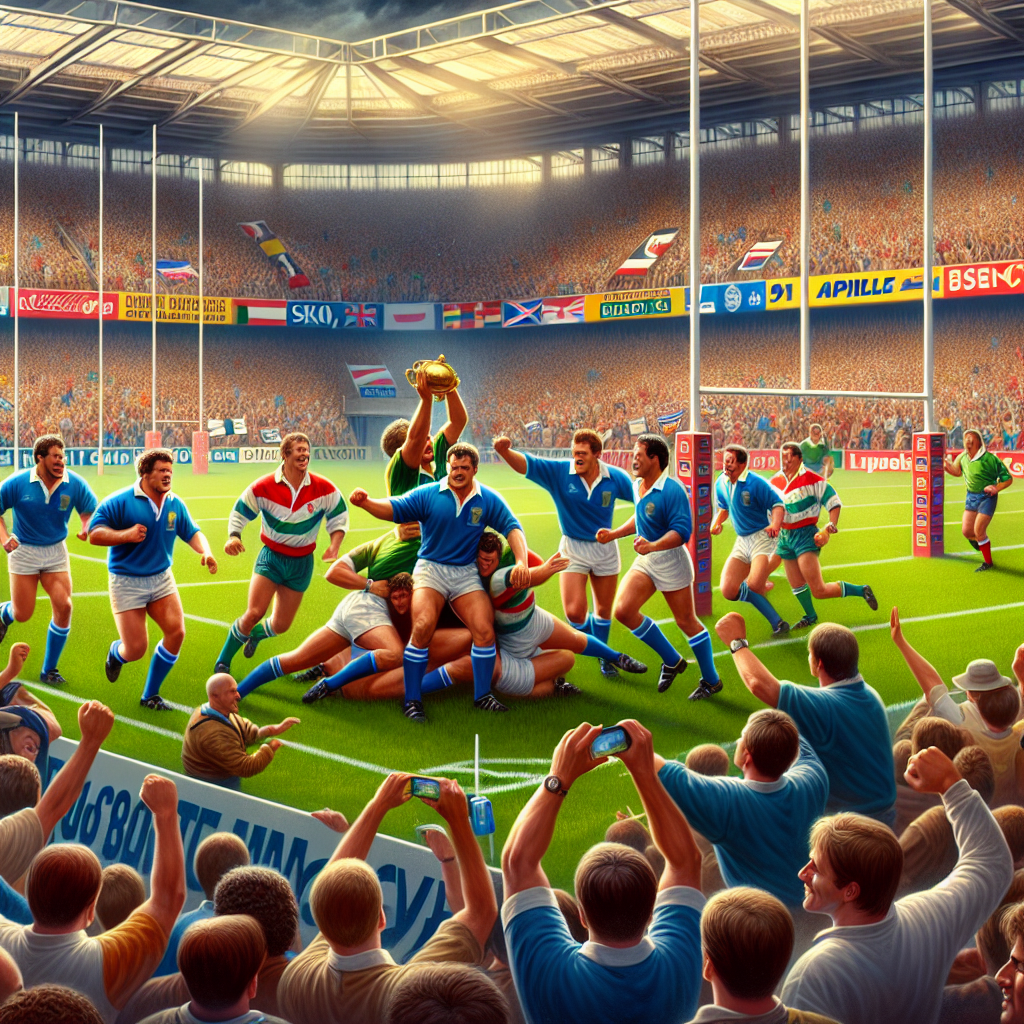
Imagine the heart of a lion beating its triumphant roar across the expansive grass fields of South Africa—such was the thrilling spectacle of the 1995 Rugby World Cup! This momentous event, occurring from May 25 to June 24, 1995, encapsulated not just a sporting tournament, but a powerful narrative of unity and hope. It brought together rugby nations worldwide, all converging in South Africa with aspirations to clutch the illustrious Webb Ellis Cup.
Yet, beyond the blood, sweat, and tears shed on the field, this tournament was a historical tableau reflecting the transformational journey of South Africa, stepping out brightly into a post-apartheid world. Nelson Mandela, wearing a Springboks jersey to symbolize national reconciliation, and Francois Pienaar, leading the South African team to victory, became icons of unity.
Setting the Stage
The Rugby World Cup of 1995 was hosted in South Africa—a country then burgeoning with the fresh scent of democracy, having only recently emerged from decades of apartheid-induced isolation. It was a time when the Rainbow Nation stood poised on the fulcrum of change, galvanizing a nation through the power of sport.
This was the third Rugby World Cup since the tournament's inception in 1987, and it marked the first major sporting event to be held in South Africa post-apartheid. Banked by the hopes of not only a nation but a continent, this championship was more than a series of rugby clashes. It was a poignant testament to the potential of humanity to heal and rebuild.
The Journey to the Pinnacle
The path to sporting glory was paved with rigorous matches between the world's rugby powerhouses. The cup saw participation from 16 teams, battling it out across a month of fervent games, each match more intense than the last. The group stage itself was a whirlpool of excitement, with unexpected victories and heartbreaking losses, leading to the nail-biting knockout rounds.
Ireland, New Zealand, England, and South Africa were the standouts, each carving unique stories into the folklore of the sport. Every scrum, tackle, and try captivated audiences, creating a tapestry of drama and athletic excellence.
The Clash of Legends: The Final Showdown
Amidst overwhelming enthusiasm and nationwide celebrations, the final showdown on June 24, 1995, at Ellis Park in Johannesburg, captured the globe's attention. South Africa versus New Zealand: it promised a legendary encounter.
New Zealand's formidable team, spearheaded by the iconic Jonah Lomu, had shown an indomitable spirit leading up to the final. Lomu himself had been a force of nature on the field, breaking records and defenders alike. Yet, destiny would script a different outcome for the final act.
In a breathless contest served with hefty doses of skill and ferocity, South Africa, bolstered by impassioned support from a unified nation, held out against New Zealand’s All Blacks, beating them with a narrow score of 15-12, thanks to the precise kicking accuracy of fly-half Joel Stransky.
A Legacy Beyond Scores
The 1995 Rugby World Cup did far more than crown a world champion; it initiated a significant cultural and societal renaissance. Under the magnetic leadership of Nelson Mandela, coupled with Francois Pienaar's inspirational captaincy, the victory reverberated across societal lines, dissolving long-held racial rifts.
Mandela’s symbolic gesture of donning the Springbok jersey in front of millions was not just a moment of sport, but a moment in history—a moment cherished and replayed throughout the world as an emblem of peace and unity. Indeed, rugby became the bridge over the turbulent waters of racial discord, offering South Africans—to quote Mandela—"a nation which has triumphed over an inhuman past."
The Ripple Effect
The significance of the 1995 Rugby World Cup rippled beyond the confines of the rugby field. It set the template for future international sports events as instruments for social change and national healing. The tournament's success helped secure South Africa’s role as a premier host for global sports' gatherings, paving the way for future events, including the acclaimed 2010 FIFA World Cup.
Moreover, the victory had a lasting impact on the spread of rugby throughout South Africa, encouraging youth participation and fostering a more diverse generation of players reflecting the true colors of the Rainbow Nation.
Conclusion: Humanity Learning Through Sport
The legacy of the 1995 Rugby World Cup is not merely measured in the points scored or records shattered, but in the colossal strides forward for humanity. It stands as a testament to the immense potential sports hold in sculpting societies and bridging cultural gaps.
As keen voyagers in the realm of knowledge, we should gaze upon such landmarks, deriving lessons and inspiration. Observing the harmonious blend of sport and societal progress witnessed during the 1995 Rugby World Cup, what other areas might benefit from similar spirited intersection? The answers lie, as they often do, at the crossroads of curiosity and compassion.