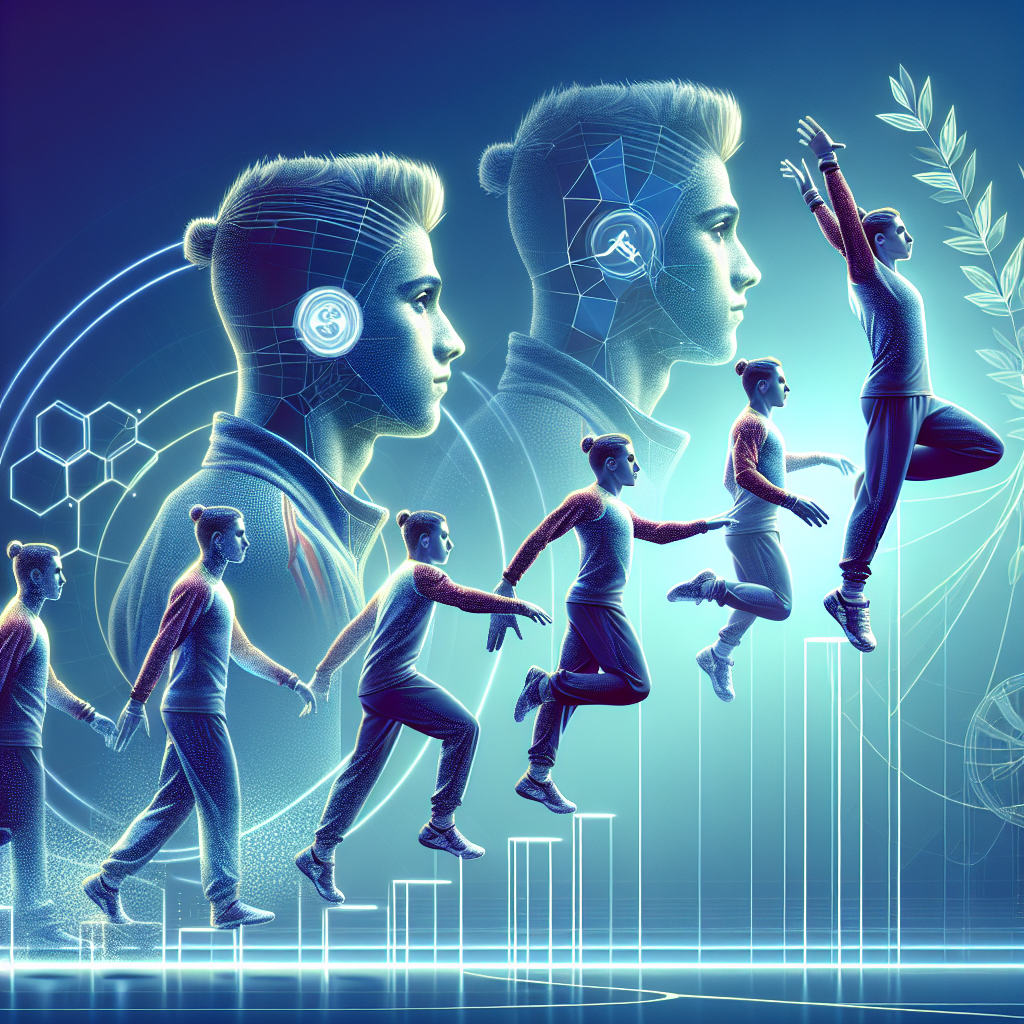

Zinaida Voronina didn’t just break records; she cartwheeled her way into the annals of sports history. A celebrated Soviet gymnast most prominently active during the 1960s, Voronina's story is one of talent, struggle, and triumph during a politically loaded time. Born on December 10, 1947, in Yoshkar-Ola, Russia, her journey in gymnastics started early and led her to the most prestigious platforms in sports.
Voronina’s rise to stardom was marked by rigorous training and remarkable dedication. In 1966, she became a household name when she clinched the gold medal at the World Artistic Gymnastics Championships, etching her name in history books across the globe. By 1968, she took center stage at the Summer Olympics in Mexico City. The world watched as she excelled in her field, collecting a gold medal and adding silvers and bronzes to her collection. Her athleticism inspired countless young athletes behind the Iron Curtain and beyond.
Yet, like many athletes, Voronina's story is a complex narrative of personal and political challenges. Competing during the Cold War, Voronina not only represented her own skill but also the broader strength and prowess of the Soviet Union. Every flip and soar was more than gymnastics; it was a political statement and a battle on the global stage. Despite this, her focus remained unflinchingly on her sport.
Behind the scenes, Voronina was not immune to the pressures and personal struggles that often accompany the lives of athletes. Her marriage to fellow gymnast Mikhail Voronin was less a fairytale and more a reflection of complicated human relationships amid the strains of demanding careers. As a mother, she balanced family with her intense training, embodying a dedication that transcended the gymnastics floor.
The impact of Voronina’s achievements extends well beyond her medals. Her perseverance during an era where political and social challenges could easily overshadow personal goals remains deeply inspirational. To that end, Voronina's story resonates with the present, creating a bridge through time, linking today’s young athletes with the resilience and determination that defined her career.
Taking a moment to ponder her legacy connects us to thoughts on how sports often mirror societal changes. Particularly relevant to Gen Z, who grow amidst a backdrop of both global unrest and community-driven activism, Voronina’s narrative teaches that personal success can exist alongside broader societal movements. Her story encourages a reflection on how individuals find their strength and voice, even when engulfed in global politics.
In remembering Zinaida Voronina, the gymnastics world recognizes not just an athletic marvel but a symbol of personal tenacity and the relentless pursuit of excellence without compromising identity. Today, gymnasts credit their paths to trailblazers like her, who did double the labor—not just competing but also embodying a nation's identity in every meticulously choreographed move.
While celebrating these exceptional life accomplishments, it’s also worth acknowledging the other side. Not every athlete lives a storybook life post-retirement, and Voronina's experiences remind us of the challenges athletes might face once the lights dim and the cheers quiet. This duality is essential, grounding her in the real, relatable experience of human life.
Any conversation about her journey should remember that while sporting heroes exhibit otherworldly talents, they remain human at the core. Their struggles mirror our own, reminding us there's grace in triumphing over adversity. Zinaida Voronina leaves us with lessons in resilience, illustrating the undying power of determination, regardless of era or political landscape.