
The Mythical Powerhouse: Zeus
Imagine a world where thunder and lightning are not just weather phenomena but the tools of a mighty god. This is the world of Zeus, the king of the Greek gods, who ruled from Mount Olympus. Zeus is a central figure in Greek mythology, known for his power, authority, and, at times, his unpredictable nature. His story has been told and retold since ancient times, influencing cultures and religions across the globe. But who exactly was Zeus, and why does his legend endure?
Zeus was the youngest son of the Titans Cronus and Rhea. According to myth, he was born in a cave on the island of Crete. His father, Cronus, had a nasty habit of swallowing his children to prevent them from overthrowing him. However, Rhea managed to save Zeus by tricking Cronus into swallowing a rock instead. Zeus grew up in secret and eventually led a rebellion against his father, freeing his siblings and establishing himself as the ruler of the gods.
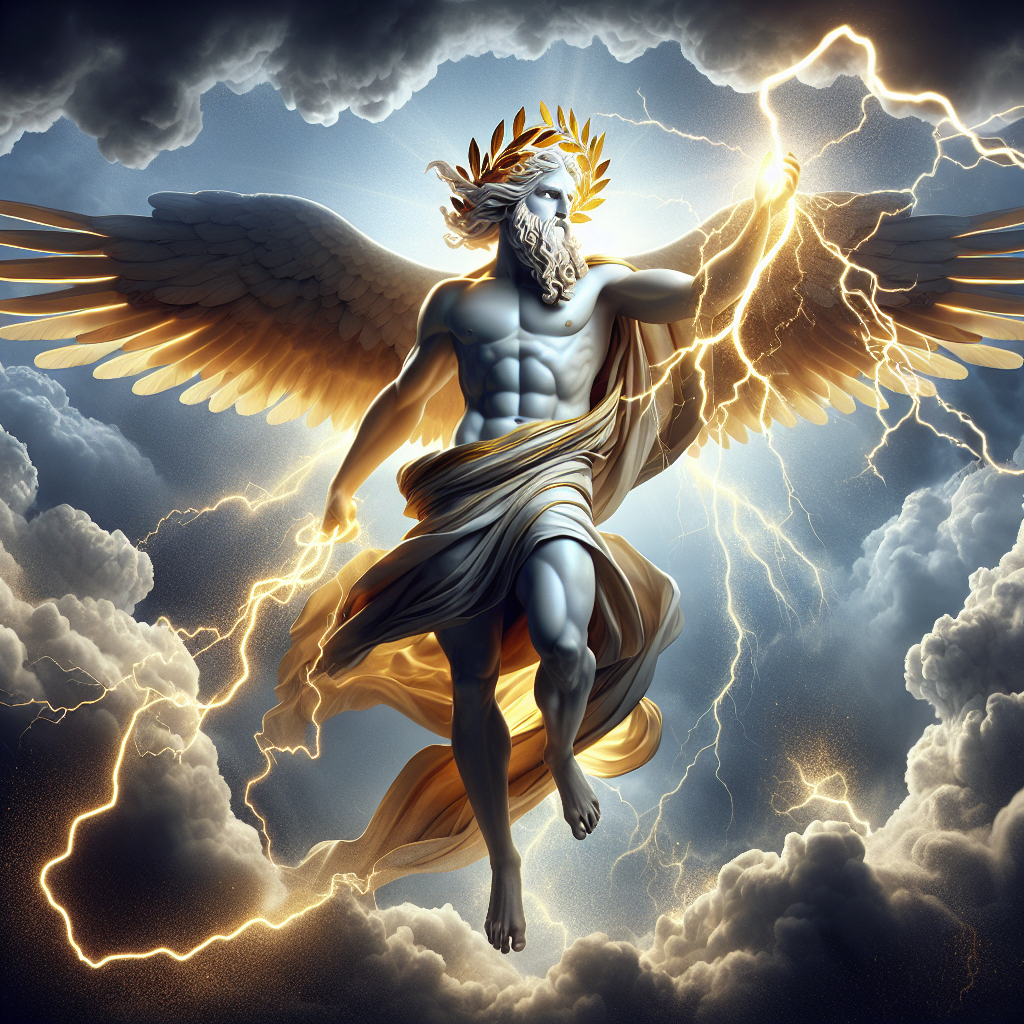
Zeus's domain was the sky, and he wielded the thunderbolt as his weapon. He was often depicted as a regal, bearded figure, commanding respect and fear. His role as the king of the gods made him a central figure in many myths, where he often intervened in the affairs of both gods and humans. His decisions could be just and wise, but he was also known for his numerous affairs and resulting offspring, which often led to conflict and drama.
The stories of Zeus are not just tales of power and conquest. They also reflect the values and beliefs of ancient Greek society. Zeus was seen as a protector of justice and order, punishing those who broke the laws of hospitality or committed perjury. However, his personal life was far from exemplary, highlighting the complex nature of the gods and their human-like flaws. This duality made Zeus a relatable yet awe-inspiring figure.
In modern times, Zeus's influence can be seen in various aspects of culture and language. The word "zeus" is often used to describe someone with great power or authority. His image has been adapted in literature, art, and even popular media, from comic books to movies. The enduring appeal of Zeus lies in his larger-than-life persona and the timeless themes of power, justice, and morality that his stories explore.
While some may view Zeus as a symbol of patriarchal authority, others see him as a representation of the human struggle for power and control. His myths offer insights into the human condition, exploring themes of ambition, betrayal, and redemption. By examining these stories, we can better understand the complexities of human nature and the societies that created them.
Despite the passage of time, the legend of Zeus continues to captivate audiences. His story is a reminder of the enduring power of mythology and its ability to shape our understanding of the world. Whether viewed as a god, a symbol, or a character in a story, Zeus remains a fascinating figure whose legacy will likely continue for generations to come.