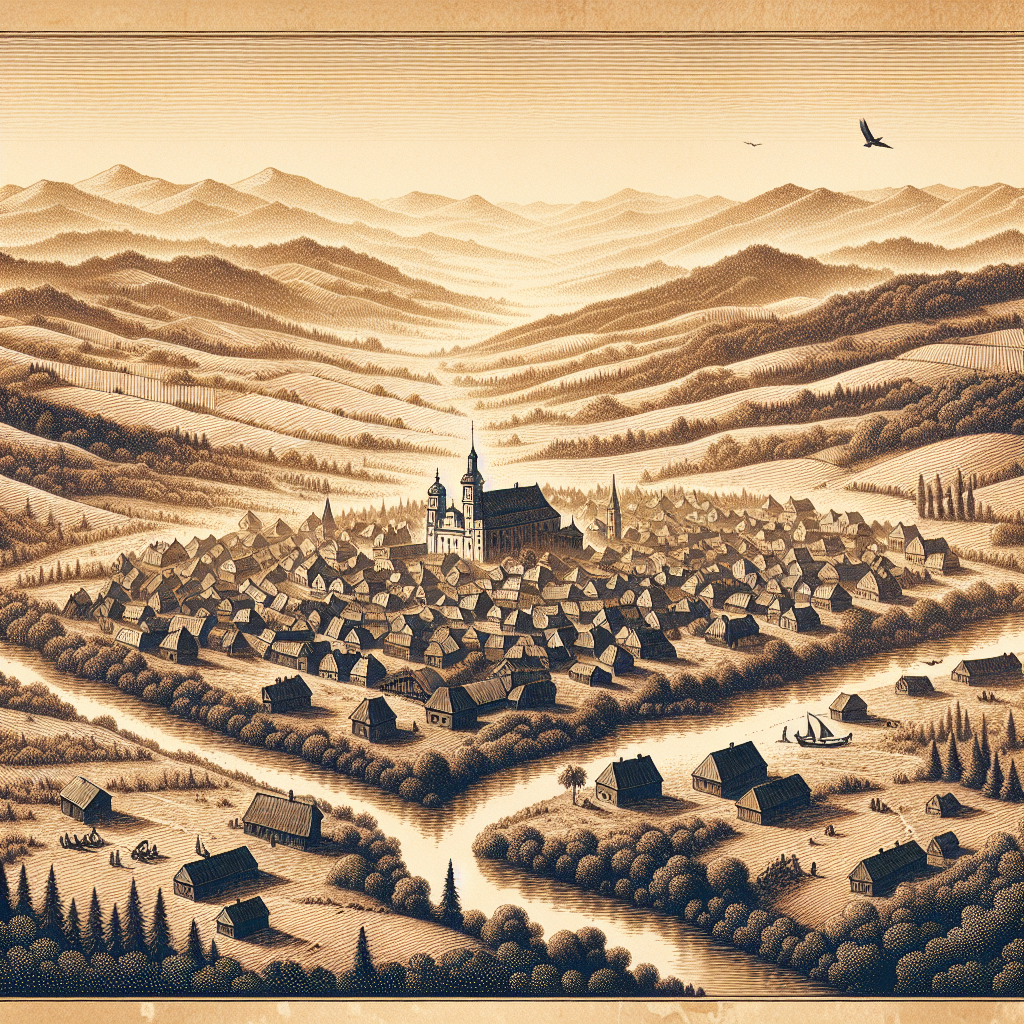

Nestled in the picturesque landscapes of North Macedonia, Želino isn't usually the first place one thinks of when discussing global politics or cultural shifts. Yet, this charming municipality holds stories of change, unity, and community resilience. Found in the Polog region, this small yet vibrant area is home to about 12,000 people with a rich blend of ethnicities, primarily Albanians, but also Macedonian, Turkish, and Roma communities. Želino presents a miniature portrait of Macedonia's broader cultural and political nuances, with every stone and brick telling a tale of the past, present, and potentially a hopeful future.
Želino’s journey through history has not always been smooth. The region has been at the mercy of broader geopolitical shifts in the Balkans, which have left a mark on its development and societal structure. The village is typical of many in North Macedonia, influenced by both Eastern and Western cultures due to its position in the center of ongoing regional tensions. It's a place where traditions have been fiercely preserved, yet where change is creeping in as younger generations look beyond the village boundaries for opportunities.
In recent times, the dynamics of Želino have evolved considerably due to global and local factors. The most significant change has been driven by youth migration. Many young people are leaving in search of education and employment opportunities elsewhere, leading to a shift in cultural and social practices. This migration has left the older population to maintain the village’s traditional ways, which is part of a broader pattern seen in rural parts of the world. However, this move also brings back newer perspectives as those who leave often return with fresh ideas and practices, blending the old with the new.
Želino's political landscape is a reflection of North Macedonia’s diversity. The village is under the governance of a mayor from the Democratic Union for Integration, a political party representing the Albanian population in the country. This position reflects the demographic and political tilt of the region but also highlights ongoing ethnic tensions. The dynamics in Želino are a microcosm of the national stage, where efforts towards ethnic reconciliation and unity are continuously challenged by historical grievances.
It's crucial to recognize the efforts towards coexistence and the promise of change that many in Želino embrace. There are initiatives aimed at fostering cultural exchange and dialogue among different ethnic groups. Despite the odds, there's a sense of shared goals – from education reform to economic development. In this melting pot of beliefs and identities, many young people from different ethnic backgrounds interact daily, challenging stereotypes and fostering a new narrative of what living in harmony can look like.
Yet not everyone is delighted with these changes. There is a segment of the population that believes rapid modernization could erode traditional values that have long provided a sense of identity and community. To these residents, preserving the old ways of life isn’t just about stubborn resistance to change – it’s about maintaining social cohesion and intergenerational bonds that are central to their identity.
The surrounding environment also plays a huge role in the daily lives and future of Želino’s residents. Like many such areas in the Balkans, agriculture forms the backbone of the local economy. Changes in climate and modern agricultural practices impact not just the viability of traditional farming but also lifestyles and community structures. Young people, while looking ahead for more white-collar opportunities, are also confronted with the reality that the future of agriculture might be lying in smarter, tech-driven approaches.
Želino may be a small municipality, but it represents a crossroads of past traditions and future possibilities. It serves as a testament that communities, no matter how small, are deeply connected to and influenced by both local and global dynamics. In examining Želino, we get a glimpse into the persistent struggle between maintaining one’s cultural heritage while adapting to an ever-changing world.
For anyone interested in understanding how global issues trickle down to impact local communities, Želino offers a fascinating case study. It's a reminder of how interconnected our world is and how even the smallest places play a part in the larger narrative of cultural and political change. Whether through embracing change or cherishing tradition, Želino's story offers valuable insights into the complexities faced by communities everywhere.