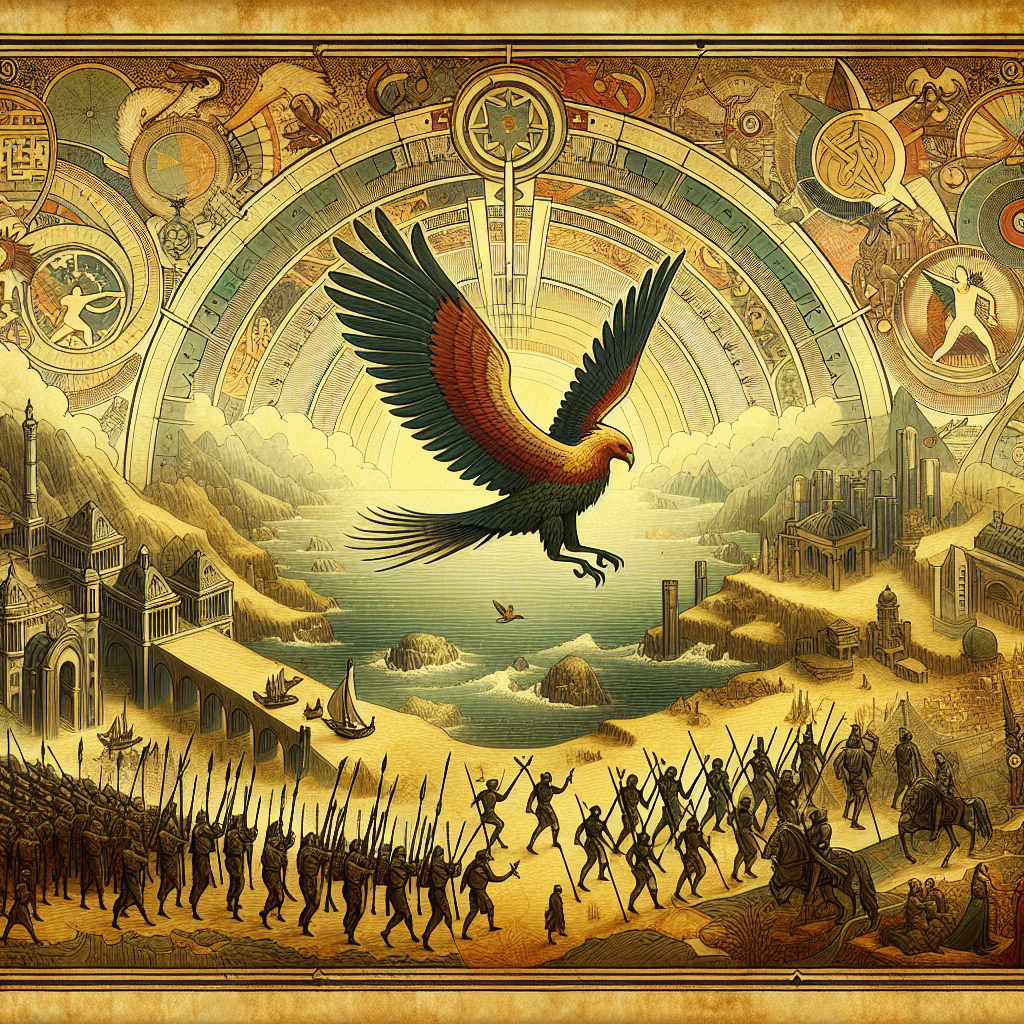

Imagine a tiny avian character sporting a dazzling yellow vest and behaving like a nomadic fashionista. That’s the Yellow-rumped Flycatcher, a bird brimming with color and charisma. Known scientifically as Ficedula zanthopygia, this feathered traveler whizzes across continents, leaving a trail of birdwatchers in awe. Typically inhabiting deciduous and mixed forests in East Asia, you can spot these fashionable fliers during their breeding season between April and June supplying cheerful tunes and dazzling flights.
The Yellow-rumped Flycatcher paints a vivid picture against the green canvas of trees. It sports a distinctive black upper body contrasting with its bright yellow underparts. This bicolor wardrobe is complemented by sleek white wingtips, making the bird a standout. Its physical charm isn’t just for art; it plays a vital role during the breeding season. The male's vibrant plumage and tuneful calls are crucial when it comes to attracting a mate and establishing territory. It's like the bird version of Tinder, minus the swiping.
Records reveal how the Yellow-rumped Flycatcher has been an iconic part of East Asian avifauna. From China to Korea, and Japan to parts of Southeast Asia, this bird finds refuge in the temperate zones, stretching its presence as far south as Indonesia during winter migration. The migration is not just a vacation but a crucial survival strategy, preventing food scarcity during harsh winters.
However, these birds are not immune to the challenges facing our planet. Habitat destruction and climate change pose significant threats. As forests change or disappear, the spaces these birds call home vanish too, affecting their food supply and breeding opportunities. Observing this dynamic is similar to watching a heart-wrenching drama unfold where the stakes are survival. It is crucial for the younger generation to understand and advocate for better environmental policies that ensure these beauties can continue performing their captivating flights.
Birdwatchers across the globe have mixed emotions about these birds. Some view them with joy, marveling at their acrobatics and melodies, whereas others raise alarms about the declining numbers tied to human interference. How could one not feel for these airborne wonders as they face their daily struggles with humanity’s growing footprint?
Observers have heated debates about the role human activities play in the life of such birds. While some claim that urbanization isn’t as harmful, suggesting that birds can adapt to new environments, others argue firmly that adaptation isn’t a feasible long-term solution for many species. The Yellow-rumped Flycatcher symbolizes this broader conversation about human encroachment on nature’s realm.
Walking through conservation efforts reveals both progress and setbacks. In some areas, sanctuary initiatives have yielded encouraging signs of population stability. Protected reserves provide a ray of hope for these fliers. Yet, challenges remain in securing adequate funding and public interest towards sustainable efforts. It's evident that bringing awareness to younger audiences can fuel changes. Grassroots initiatives led by local communities exhibit the potential to mold a more harmonious coexistence with our avian companions.
The data on these extraordinary yet vulnerable creatures point out the importance of international cooperation in bird conservation. The flycatcher’s migratory nature means efforts in one part of the world affect outcomes globally. This interconnectedness highlights our shared responsibility in nurturing biodiversity on a planetary scale.
Let’s face it. When someone mentions environmental responsibility, it's tempting to dismiss it as an old tune. But every Yellow-rumped Flycatcher braving flights across countries reminds us how we can be a part of transformative stories. These birds encapsulate the blending of cultures and landscapes across their migratory journey, echoing the fluid culture shifts celebrated by Gen Z.
From a broader stance, the story of the Yellow-rumped Flycatcher is a portrait of resilience and the need for responsible stewardship. It's about our connection to nature, and the legacy we want to leave behind. This tiny bird ignites dialogue about sustainability and conservation urgently required in the Anthropocene era.
The Yellow-rumped Flycatcher embodies the message that taking action doesn't always mean grand measures; often, it starts with understanding and sharing a story like theirs. Learning their journeys can inspire even the busiest amongst us to act, ignifying change from local to global levels. After all, preserving such brilliance on the wing is as much about them as it is about us.