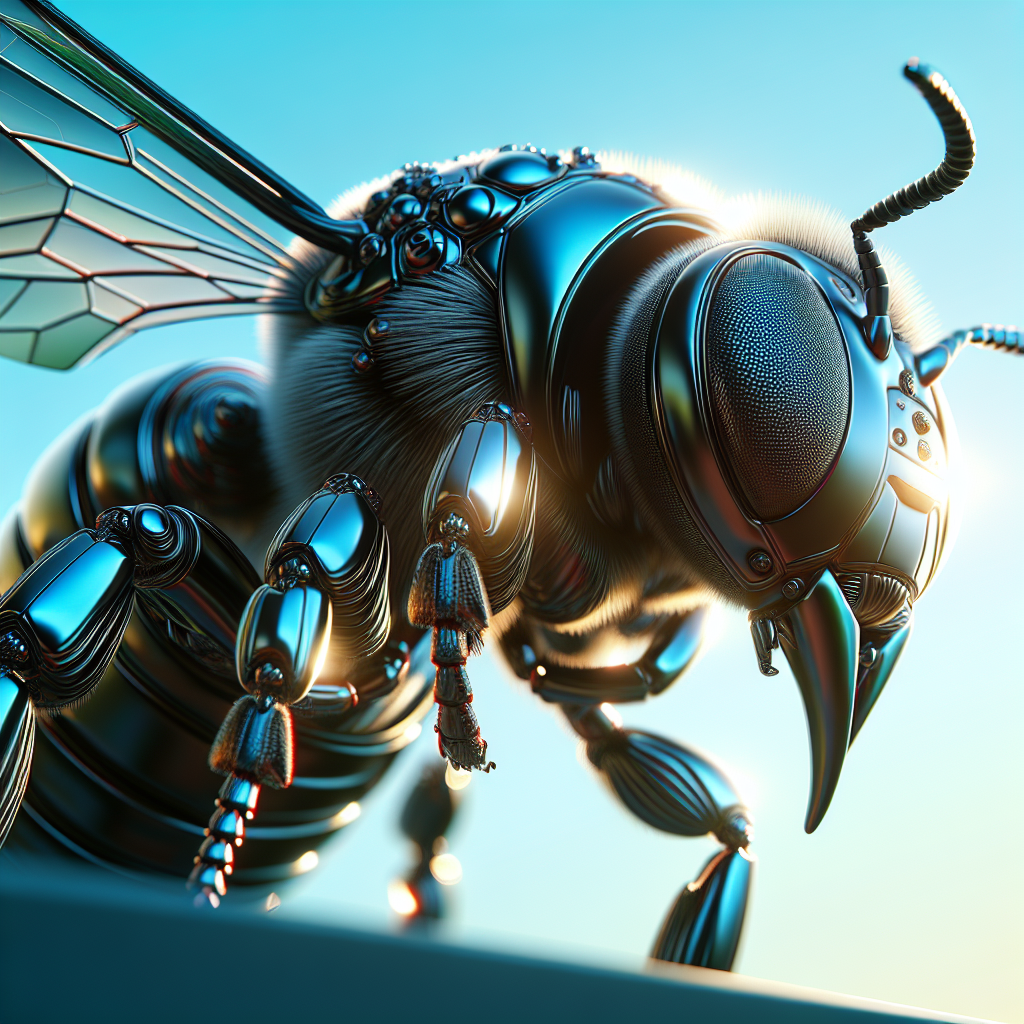

The Buzz About Xylocopa darwini: Nature's Unsung Architect
Imagine a bee that doesn't just buzz around flowers but also plays a crucial role in the ecosystem of the Galápagos Islands. Meet Xylocopa darwini, a species of carpenter bee that has captured the attention of scientists and nature enthusiasts alike. Discovered in the Galápagos, this bee is named after Charles Darwin, the famous naturalist who developed the theory of evolution. Xylocopa darwini is not just any bee; it is a key pollinator in this unique archipelago, contributing to the survival of various plant species. Its presence is vital, especially in a world where pollinators are increasingly under threat.
Xylocopa darwini is fascinating not only because of its ecological role but also due to its unique behaviors and adaptations. Unlike honeybees, carpenter bees like Xylocopa darwini do not live in hives. Instead, they bore into wood to create their nests, which is how they got their name. This behavior is crucial for the Galápagos ecosystem, as it helps in the natural process of wood decomposition and nutrient cycling. The bee's ability to adapt to the specific conditions of the Galápagos Islands is a testament to the power of evolution, a concept that Darwin himself would have found intriguing.
The Galápagos Islands, located in the Pacific Ocean, are a hotspot for biodiversity and have been a source of inspiration for scientists studying evolution and natural selection. The presence of Xylocopa darwini in this unique environment highlights the intricate web of life that exists on these islands. The bee's role as a pollinator is essential for the reproduction of many native plants, which in turn support a variety of animal species. This interconnectedness is a reminder of the delicate balance that exists in nature and the importance of preserving it.
However, the existence of Xylocopa darwini is not without challenges. Like many other pollinators around the world, this species faces threats from habitat loss, climate change, and the introduction of invasive species. These factors can disrupt the delicate balance of the Galápagos ecosystem, putting the survival of Xylocopa darwini and the plants it pollinates at risk. Conservation efforts are crucial to protect this bee and the unique environment it inhabits. By understanding and addressing these threats, we can help ensure that Xylocopa darwini continues to thrive and play its vital role in the ecosystem.
While some may argue that focusing on a single species like Xylocopa darwini is not enough to address the broader environmental challenges we face, it is important to recognize the significance of each species in maintaining ecological balance. Protecting Xylocopa darwini is not just about saving a bee; it is about preserving the intricate web of life that supports countless other species, including humans. By safeguarding the Galápagos Islands and their unique inhabitants, we are taking a step towards a more sustainable and harmonious relationship with nature.
In a world where environmental issues often seem overwhelming, the story of Xylocopa darwini offers a glimmer of hope. It reminds us of the resilience of nature and the power of adaptation. It also underscores the importance of taking action to protect our planet's biodiversity. By learning from and supporting conservation efforts, we can help ensure that future generations will continue to be inspired by the wonders of the natural world, just as Darwin was inspired by the Galápagos Islands all those years ago.