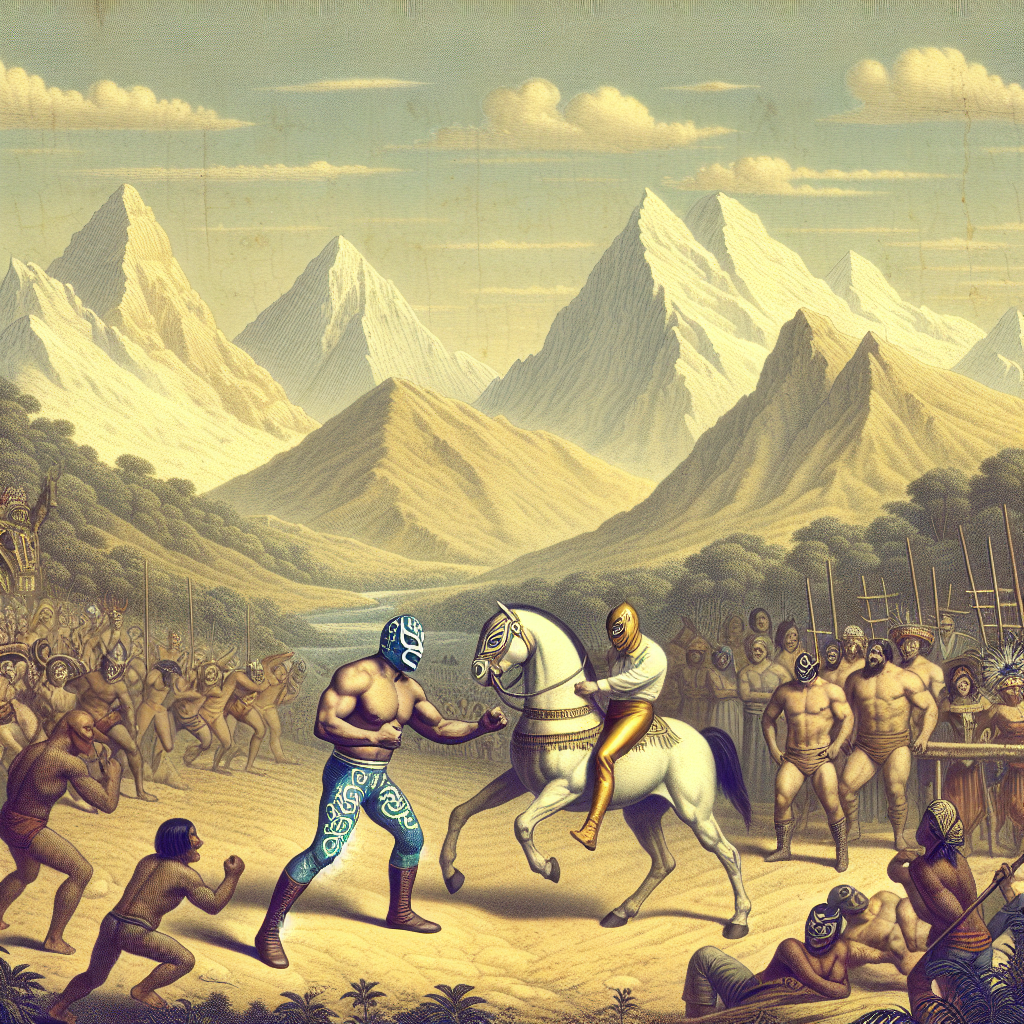

Imagine a world where gravity seems optional, and larger-than-life personalities clash in epic battles. That’s the world of World Series Wrestling (WSW), a high-octane professional wrestling promotion that has taken the scene by storm. Originating in Australia, WSW has been captivating audiences since its inception in 2017. It showcases an electrifying mix of wrestling talent, both local and international, offering fans a truly global wrestling experience.
WSW is known for its unique blend of entertainment and athleticism. Its events take place across various cities, giving wrestling fans from diverse backgrounds an opportunity to witness dramatic showcases right in their hometowns. From the heart-stopping stunts to the elaborate entrances, there’s never a dull moment in a WSW match. Wrestlers like Will Ospreay, Bandido, and Joey Janela have made appearances, each bringing their own unique flair and style to the ring.
The appeal of World Series Wrestling lies in its ability to draw top talent from around the world while also fostering emerging wrestlers. It acts as a bridge between cultures, allowing fans to see their favorite homegrown talents go head-to-head with some of the best from the U.S., Japan, and beyond. This cross-cultural exchange not only enriches the sport but also promotes diversity and global unity.
However, not everyone views professional wrestling favorably. Critics point out the scripted nature of the matches and the potential for promoting violence. They argue that wrestling might exaggerate certain stereotypes and contribute to toxic masculinity by glorifying aggressive behavior. While these concerns are valid, supporters believe that wrestling can be a form of art and express important narratives. Much like theatrical productions, the storyline in wrestling is carefully crafted to engage the audience, often tackling themes of perseverance, loyalty, and justice.
WSW also gives back to the community, often partnering with local charities and organizations to spread positive messages and inspire the youth. By engaging in outreach programs, they work to dispel negative connotations while fostering a sense of belonging and passion for sports.
A defining trait of World Series Wrestling is its interactive fan culture. In the age of social media, it embraces the power of platforms like Instagram and Twitter to connect with its audience on a personal level. Fans are encouraged to share their experiences, interact with their favorite wrestlers, and even participate in events. This level of engagement creates a community where fans feel valued and connected.
Interestingly, the rise of WSW coincides with the growing influence of Gen Z, a generation known for their progressive views and love for unique cultural expressions. For many Gen Z-ers, wrestling represents not only a thrilling form of entertainment but also a rebellion against the conventional sports narrative. There’s a growing appreciation for the theatrics, the storylines, and the sheer dedication of the performers involved.
Of course, the experience wouldn’t be complete without addressing the environmental impact of such events. Wrestling promotions, including WSW, are increasingly aware of their carbon footprint. Efforts are being made to use sustainable materials for event setups and reduce waste generated during live shows. Both fans and organizers are working towards finding a balance that allows for maximum enjoyment with minimal environmental impact.
World Series Wrestling is evidence of how the evolution of entertainment continues to embrace change, reflecting the values of younger, more conscious audiences. It champions international collaboration, entertains through captivating spectacle, and gives back to communities in meaningful ways. Love it or critique it, WSW seems here to stay, carving out a unique niche in the pantheon of global entertainment with its gritty yet glamorous allure.