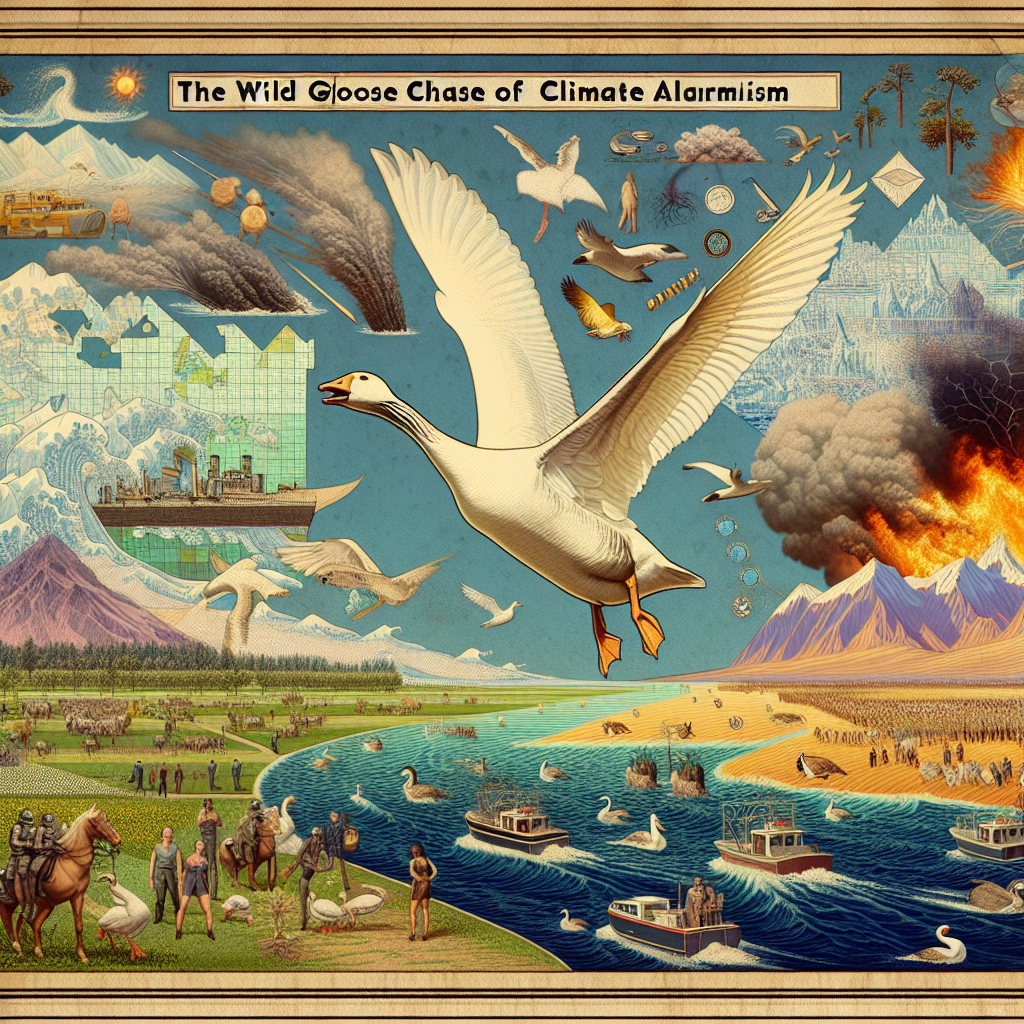

The skies above seem to orchestrate a symphony as wild geese call to one another, creating a melody that has resonated through history. Wild geese calling is a timeless phenomenon, a spectacle witnessed across the globe for centuries. These migratory birds traverse vast distances, migrating from breeding grounds in the north to warmer areas during winter. Their call is not just a simple sound; it's an intricate communication tool. It’s about cooperation, survival, and the changing seasons. In our increasingly urbanized world, where many are disconnected from nature, understanding this natural wonder is crucial in encouraging a sense of environmental stewardship.
The call of the wild goose is a social interaction of sorts. As they fly in a distinctive V-formation, the geese communicate constantly, providing their lead bird with guidance and encouragement. Their migration patterns are driven by instinct, an ancient rhythm tied to the Earth's cycles. These birds travel thousands of miles, a feat of endurance that’s both awe-inspiring and humbling. Despite advances in technology and civilization, we can still find lessons from their behavior.
Listening to the calling of wild geese might seem simple, yet it holds a profound environmental subtext. We live in an era marked by climate concerns, where the natural world’s well-being is in peril. Observing the natural migration of these creatures reminds us of our interconnectedness with nature. As climate change impacts migration patterns, it could potentially alter the geese's path, and by extension, the ecosystems they support and the biodiversity that relies on them.
But here’s where the human factor meets nature. Noticing fewer geese or changes in their migration pattern could be a wake-up call for us to address environmental challenges. Those who argue against the necessity of stringent environmental protections might overlook the subtle indicators that nature, through phenomena like geese calling, presents us. Yet, acknowledging that opposition fosters a dialogue necessary for progress.
Engaging with opposing viewpoints, we find that concerns over economic impacts of environmental policies are legitimate. It’s a balancing act between environmental sustenance and economic growth. However, the plight of the geese subtly reminds us that sacrificing Earth's balance for short-term gains could lead to irreversible consequences. Lower bird populations could signify broader issues such as habitat loss and the need for sustainable practices.
The cultural significance of wild geese also cannot be overstated. They symbolize freedom and change, motifs embraced by countless generations. Their journey is a rite of passage, representing resilience and the cycle of life. Literature and art have romanticized these journeys, their powerful imagery evoking emotions of longing and wanderlust. This emotional connection underscores a collective human experience, transcending political and cultural boundaries. It’s a reminder that despite our differences, we share a connection to the planet and its many wonders.
Educating Gen Z about the significance of wild geese calling can foster a sense of responsibility towards our planet. They are a generation poised to inherit both the triumphs and tribulations of our environmental legacy. Social media platforms, where Gen Z thrives, can become spaces for sharing experiences and stories about nature, increasing awareness and inspiring action. Videos or recordings of geese calling, shared widely, remind us of our role as guardians of the environment.
The natural landscape is a treasure trove of knowledge and inspiration. Observing the habits and patterns of geese during migration reveals the intricate dance between animals and their environments. These behaviors prompt us to reflect on our role in maintaining ecological integrity. As we listen to geese calling, we should also heed their silent urging to protect and preserve.
Appreciating the grand migration of wild geese is more than noticing a seasonal event. It’s realizing that these birds, in their flight, convey messages that resonate with us. It is a call to synchronize our lives with nature’s cadence, to understand that protecting these creatures is preserving the legacy we leave behind.