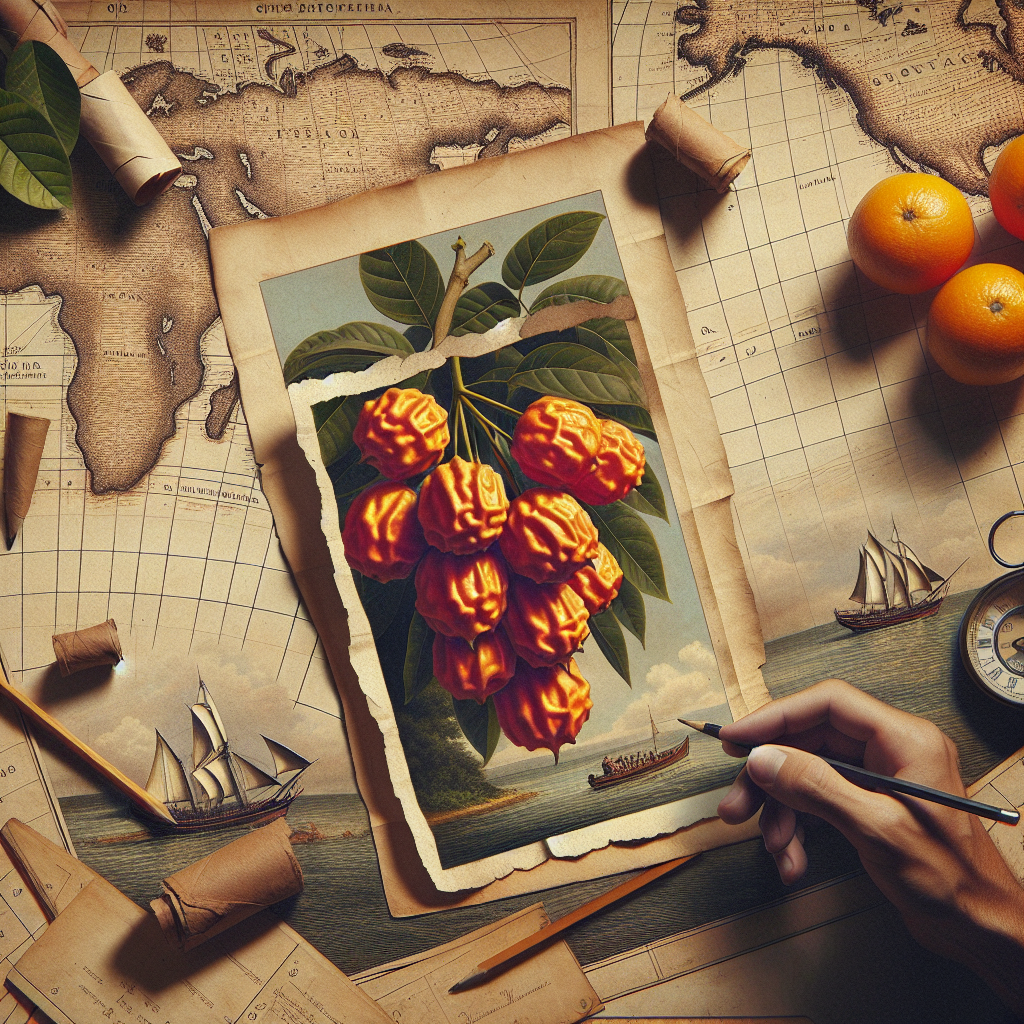

If you think tropical plants are only about coconuts and bananas, think again. Meet Uvaria, a lesser-known genus of flowering plants, captivating the world with its spectacular beauty and surprising uses. Native to the lush, green regions of tropical Asia and Africa, Uvaria is not just a scrap of the jungle foliage, but a remarkable fixture with critical ecological and cultural importance. Rising from forest floors or climbing tree trunks, this hardy species has been rewarding the eyes and lives of those who cross its path for centuries. But why is it still hidden from the global stage?
For starters, Uvaria includes around 150 different species, each with its own unique charm and utility. Its flowers, often bell-shaped and strikingly colored, are a festival of life in the dense jungles. Yet, more than their visual appeal, they play a significant role in maintaining the delicate ecological balance. Varieties such as Uvaria grandiflora and Uvaria rufa aid in pollination, attracting bees and other insects, thus ensuring the forest thrives on. Their fruit, equally vibrant and enticing, are a feast for birds and mammals, aiding in seed dispersal which is key for the continuity of these tropical havens.
A lesser-discussed aspect of Uvaria is its utility in traditional medicine. In many rural communities, where pharmaceutical aid is not readily accessible, Uvaria stands as a natural apothecary. Some species, like Uvaria chamae, are employed in concocting remedies for fever and inflammation. In parts of West Africa, its roots and leaves are boiled into teas or pulps offering relief from various ailments. This underpins a broader discussion about the intersection of natural resources and community health. With rising interest in herbal medicine across the globe, could Uvaria rise to fill gaps not just in local but international practices?
While Uvaria is a marvel from many aspects, it's not free from its set of problems. Deforestation poses a significant threat as sprawling urbanization encroaches upon its natural habitat. Swathes of forest are cleared every year, raising alarms for the biodiversity they harbor. It's a classic dilemma — development versus conservation. Can we find a balance? Green-minded activists and policymakers argue that preserving these species is crucial, not only for environmental reasons but for cultural ones too. Yet, perspectives differ, and striking a middle ground is never easy.
To some, this dilemma seems simple. They argue development should take precedence. After all, populations are ballooning and infrastructure needs expansion. Economically, many countries in the tropics are striving for a better standard of living for their citizens. However, this perspective can overshadow the fact that sustainable development isn't just about growth. It requires taking care of the resources that sustain us today and securing them for the future. Exploring alternatives like sustainable urban planning or agroforestry might offer avenues for reconciliation.
The role of education and awareness also cannot be understated in bolstering Uvaria’s status. Global awareness of its usefulness and beauty can encourage its preservation. Cultivating botanical gardens dedicated to Uvaria, promoting eco-tourism, or involving local communities in conversational activities can contribute to its well-being. As digitally-native Gen Z and millennials increasingly lean towards environmental activism and sustainability, Uvaria might find its allies poised at the brink of broader consciousness.
Incorporating Uvaria in popular culture and horticulture can also spark interest and value. Imagine a fashion line inspired by its vibrant colors or a food trend revolving around its exotic fruits. Encouraging local storytellers or artists can help spread its cultural significance too. Strategies like these contribute to a shared appreciation cross-globally, ensuring Uvaria doesn't stay a hidden gem but becomes a celebrated member of our global biodiversity.
Uvaria's story is a mirror of many untapped natural wonders quietly existing on our planet. Often unseen, and sometimes unackreciated, they have persistent relevance in the tapestry of life. Now is the moment to recognize and act, because what isn’t nurtured today might be lost tomorrow. Its biodiversity speaks of invisible threads connecting life across distant lands, vital threads that buoy cultures, economies, and ecosystems. As we work to balance our future's scales, Uvaria is not merely a plant but a symbol of a world worth saving.