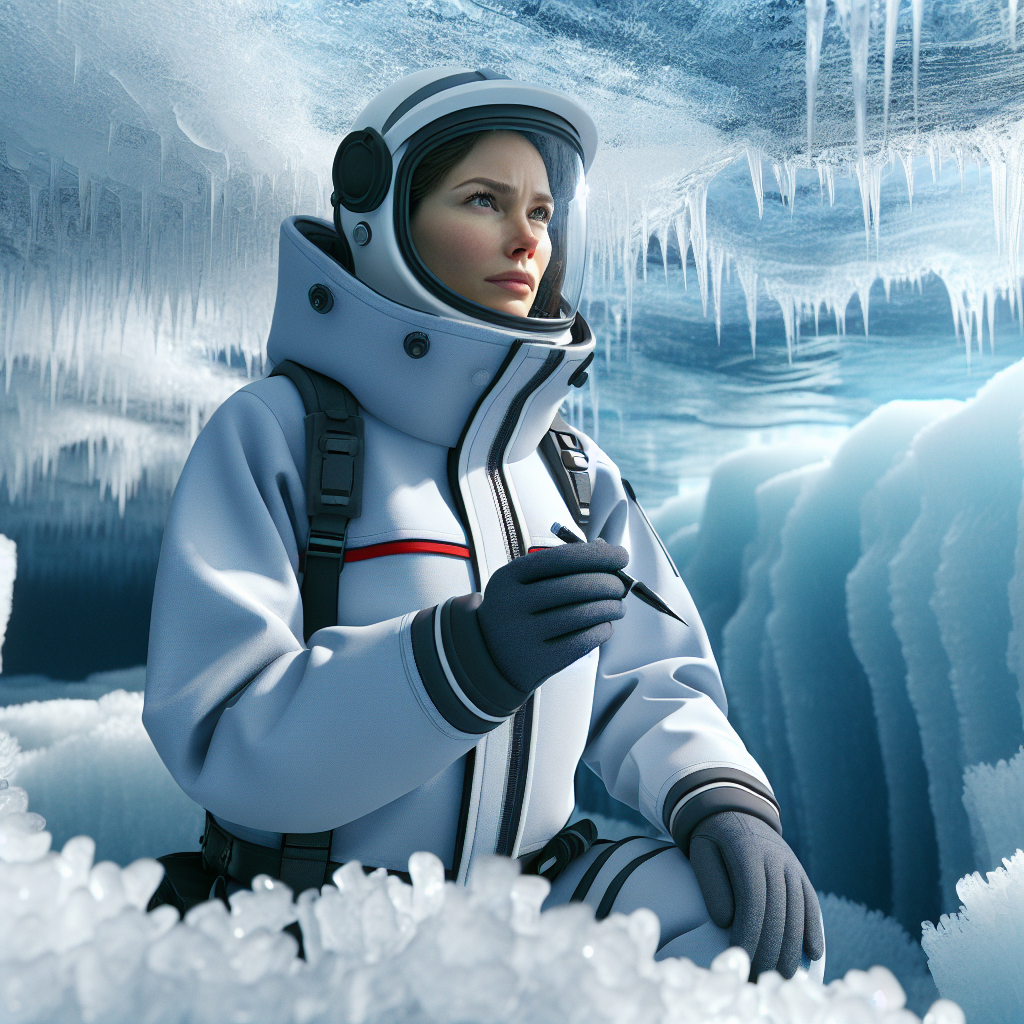

Trista Vick-Majors: A Dive into the Depths of Antarctic Research
Imagine a world where the sun barely peeks over the horizon, and the landscape is a vast expanse of ice and snow. This is the world where Trista Vick-Majors, a dedicated microbial ecologist, conducts her groundbreaking research. Trista is part of a team of scientists exploring the hidden ecosystems beneath the Antarctic ice. Her work focuses on understanding the microbial life that thrives in these extreme environments, which could offer insights into climate change and even the potential for life on other planets. This research is taking place in Antarctica, one of the most remote and inhospitable places on Earth, where the team braves harsh conditions to uncover the secrets of subglacial lakes.
Trista's journey into the icy depths of Antarctica is not just a scientific endeavor but also a testament to human curiosity and resilience. The research she is involved in is crucial because it helps us understand how life can exist in extreme conditions. This has implications for our understanding of Earth's past climate and the potential for life on other planets, such as Mars or the icy moons of Jupiter and Saturn. The work is challenging, requiring not only scientific expertise but also the ability to endure the physical and mental demands of working in such a harsh environment.
The opposing viewpoint to this kind of research often centers around the cost and practicality of conducting studies in such remote locations. Critics argue that the resources spent on Antarctic research could be better used to address more immediate environmental issues closer to home. They question whether the potential benefits of understanding microbial life in extreme environments justify the expense and risk involved. However, supporters of this research argue that the knowledge gained is invaluable and that understanding these ecosystems can provide critical insights into global climate patterns and the resilience of life.
Trista's work is a reminder of the importance of scientific exploration and the pursuit of knowledge. It highlights the interconnectedness of life on Earth and the potential for discovering life beyond our planet. Her research not only contributes to our understanding of microbial ecosystems but also inspires future generations of scientists to push the boundaries of what is known. The challenges she faces in Antarctica are a testament to the dedication and passion required to advance our understanding of the natural world.
In a world where climate change is an ever-present threat, the work of scientists like Trista Vick-Majors is more important than ever. By studying the extreme environments of Antarctica, we can gain insights into how life adapts and survives in the face of adversity. This knowledge is crucial as we seek to address the environmental challenges of our time and ensure a sustainable future for generations to come. Trista's research is a beacon of hope, showing us that even in the most inhospitable places, life finds a way to thrive.