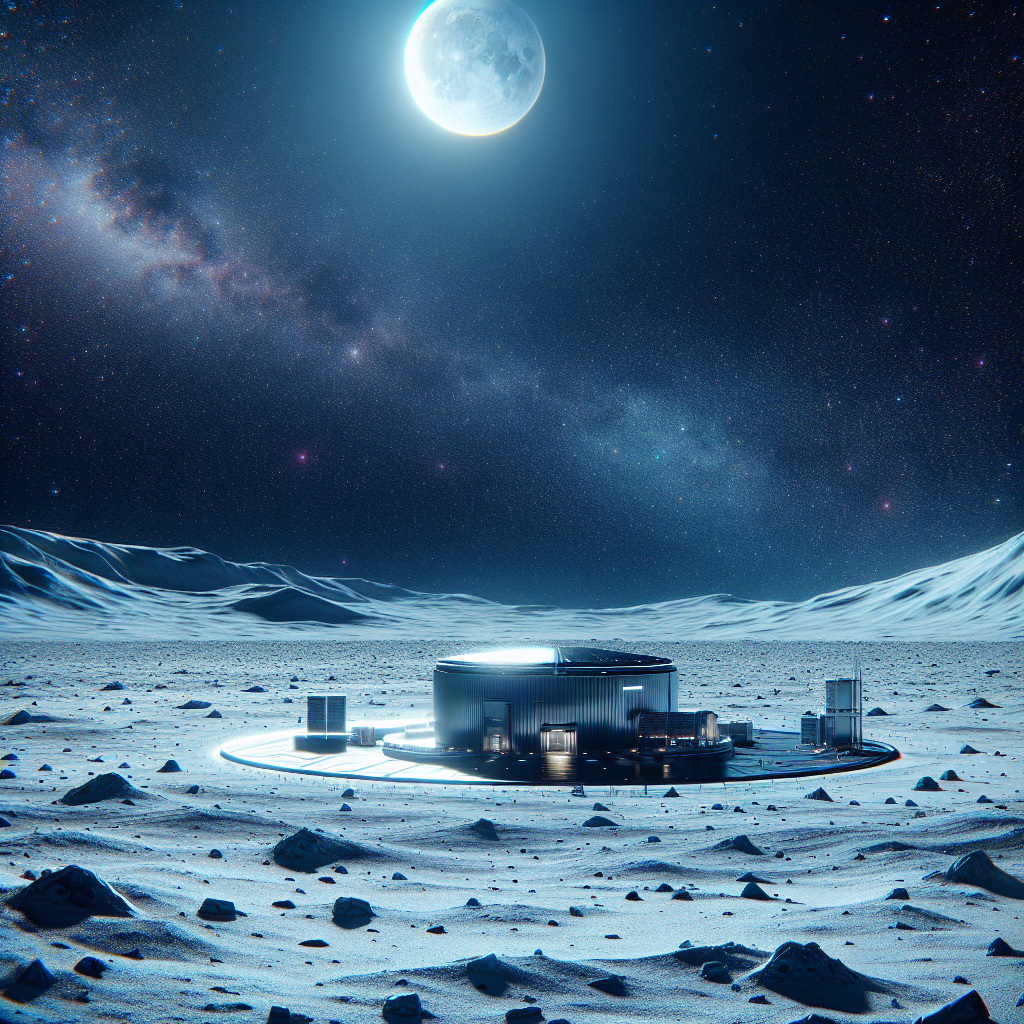

Buckle up for a journey to the only real estate beyond Earth that isn’t hawked by internet scammers: Tranquility Base. It’s the spot where human history took one of its biggest leaps, and the world paused, awestruck, as Neil Armstrong made that famous first footstep on July 20, 1969. Located in the Moon's Sea of Tranquility, this site marked humanity’s first successful manned mission to another celestial body during NASA’s Apollo 11 mission. What really hammers home its importance is not just the achievement of space travel, but what it represented about human potential and unity against a backdrop of a world deeply divided by the Cold War.
The journey that led to this monumental footprint was rooted deeply in the Space Race, a fiercely competitive chapter between the United States and the Soviet Union. This was history on turbocharge, pushing technological boundaries faster than most people could probably comprehend at the time. But let’s not forget, the investment wasn’t just about rockets or flags; it was punctuated by a complex interplay of politics, pride, and peacemaking. The astronauts who landed on the Moon carried with them aspirations of a nation and the hopes of a planet weary of geopolitical tension.
While it’s second nature now to think about astronauts pinging around in zero gravity, it was all pioneering stuff back then. The first-ever humans who skipped across the lunar surface were backed by millions watching on Earth, many of whom sat glued to small screens, catching the grainy footage with hearts in throats. Tranquility Base wasn't just a win for America; it symbolized what we could accomplish together. Of course, criticism existed too. Some argued whether the money pumped into space exploration could have been better spent solving Earthly problems, like poverty or education. These counterpoints, while worth discussing, often blend into the broader dialogue about scientific advancement and its impact on society.
Anyone who studies Tranquility Base is quickly reminded that humanity's forward push into outer space wasn’t without cost or danger. The Apollo program faced significant technical challenges, fiscal scrutiny, and personal sacrifices, including lives lost during early trials. Skeptics and doom-soothsayers existed, and every setback was their champion call. Yet, with each hiccup, there was a rally of determination that pushed harder against the barriers of gravity. The entire endeavor showed that when people mobilize around a common goal, even the stars seem within reach.
Visually, Tranquility Base itself doesn’t boast grandeur. The landscape is a monochrome masterpiece. Rocks and dust rule this barren expanse with no fluttering flags or cheering crowds. But beneath the surface, it's steeped in the kind of significance that books and documentaries strive to capture. The artifacts left behind remain in pristine condition, thanks to the Moon’s lack of weather. There they tell countless stories of engineering feats and scientific inquiry.
As we live in an era where Mars missions and commercial spaceflights have become topics of conversation rather than dreams, the foundations laid by efforts leading to Tranquility Base cannot be overstated. It was a catalyst for innovation that’s rippling into today’s technology, from everyday gadgets to the more profound quest of understanding the universe we inhabit. Meanwhile, space treaties have evolved, trying to adapt as humanity eyes a deeper cosmic presence. It's interesting to ponder over the decisions that would arise if lunar resources could be tapped or lunar tourism became a reality. With commercial entities joining the space game, it's a fresh chapter requiring cooperation and ethical stewardship of what lies beyond our planet.
Despite these advancements, another facet of Tranquility Base deserves reflection—who gets to benefit from these leaps and strides? The original Moon landing was meant for all humankind, yet the space industry today is dominated by a few superpowers and now, tech billionaires. It raises important questions about accessibility, rights, and the voices crucially needed in these discussions. New generations need to carry forward the spirit of exploration intertwined with values that promote inclusivity and responsibility toward our shared future.
While the thought of Tranquility Base might lay heavy with nostalgia, it's more than a relic of the past. It serves as a beacon, urging us to remember what’s possible when ambition and collaboration fuel our dreams. Its echoes remind us of the potential that stirs within collective human effort. The Moon was just one step; dare to imagine all the steps that await!