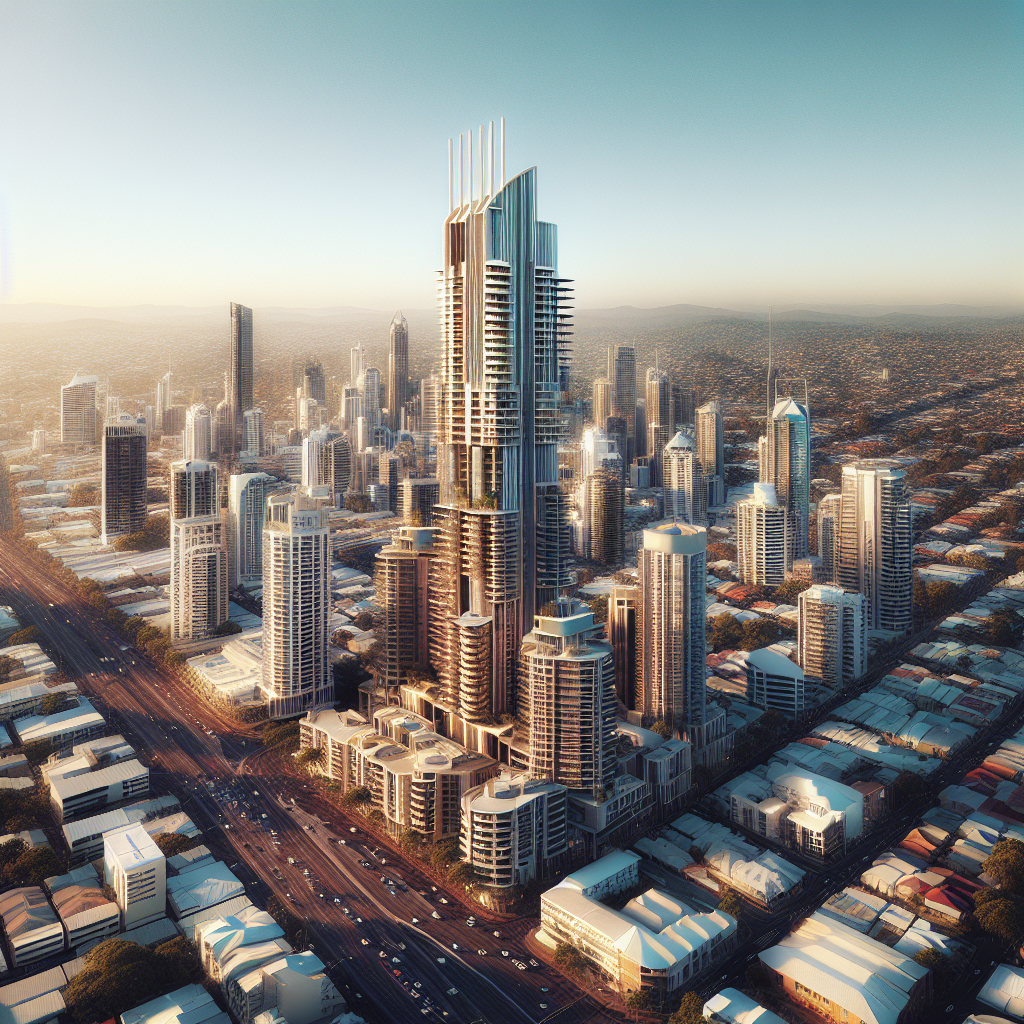

The Changing Face of Torbreck, Brisbane
Torbreck, a striking residential building in Brisbane, Australia, has been a symbol of architectural innovation since its completion in 1960. Located in the suburb of Highgate Hill, this iconic structure was the first high-rise residential building in the city, designed by architects Aubrey Job and Robert Froud. It stands as a testament to mid-20th-century modernist design, with its unique Y-shaped layout and sweeping views of the Brisbane River and city skyline. The building was constructed during a time of rapid urban development, reflecting the post-war optimism and the desire for modern living spaces.
Torbreck's significance extends beyond its architectural features. It represents a shift in urban living, where people began to embrace apartment living as a viable alternative to traditional suburban homes. This change was driven by various factors, including population growth, economic considerations, and a desire for proximity to city amenities. The building's design, with its spacious balconies and communal facilities, catered to a new lifestyle that valued convenience and community.
However, the evolution of Torbreck and its surrounding area has not been without challenges. As Brisbane continues to grow, the pressure to develop more high-density housing has increased. This has led to debates about preserving historical buildings like Torbreck while accommodating the city's expanding population. Some argue that maintaining such structures is essential for preserving the city's heritage and character, while others believe that progress necessitates change and adaptation.
The residents of Torbreck have played a crucial role in this ongoing conversation. Many have a deep attachment to the building, not just for its historical value but also for the sense of community it fosters. The building's unique design encourages interaction among residents, creating a tight-knit community that is rare in modern urban environments. This sense of belonging is something that many residents cherish and are keen to protect.
On the other hand, there are those who see the potential for redevelopment as an opportunity to revitalize the area. They argue that new developments could bring economic benefits, improve infrastructure, and provide much-needed housing. This perspective is often driven by younger generations who prioritize sustainability and modern amenities over historical preservation. They envision a future where Torbreck and its surroundings can be transformed to meet the needs of a growing city while still respecting its past.
The debate over Torbreck's future is a microcosm of broader discussions happening in cities around the world. As urban areas continue to expand, the challenge of balancing development with preservation becomes increasingly complex. It requires thoughtful consideration of various factors, including historical significance, community needs, and environmental impact.
Ultimately, the story of Torbreck is one of adaptation and resilience. It highlights the importance of dialogue and collaboration in shaping the future of our cities. Whether through preservation or redevelopment, the goal should be to create spaces that reflect the values and aspirations of the communities they serve. As Brisbane continues to evolve, Torbreck stands as a reminder of the city's rich history and the potential for a vibrant, inclusive future.