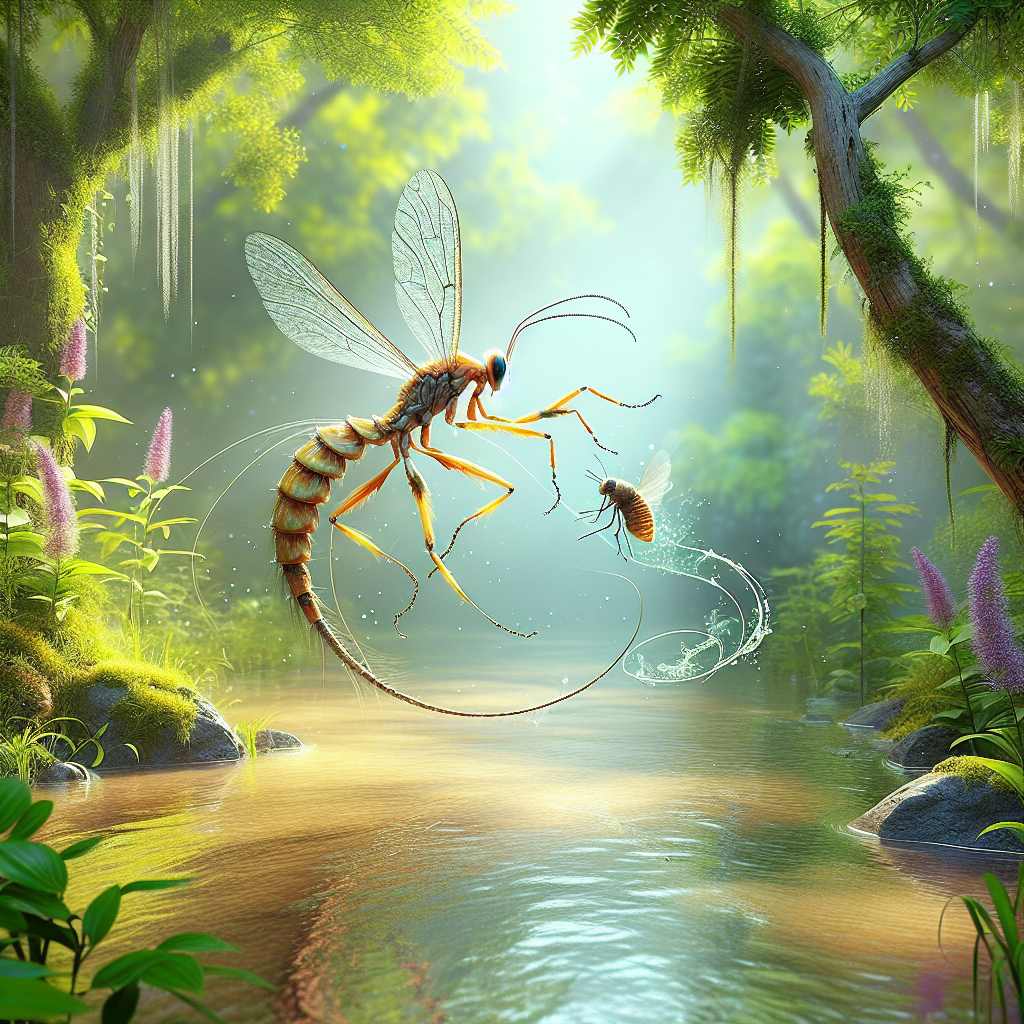

The Curious Case of Tipula Variicornis: A Dance of Nature
Imagine a creature with long, spindly legs that seems to dance through the air with an elegance that belies its somewhat awkward appearance. This is the Tipula variicornis, a species of crane fly that has captured the attention of entomologists and nature enthusiasts alike. Found primarily in the temperate regions of Europe, these insects are most active during the late spring and early summer months. Their presence is often noted in moist environments such as marshes, meadows, and near bodies of water, where they play a crucial role in the ecosystem.
Tipula variicornis, like other crane flies, is often mistaken for a giant mosquito, but it is entirely harmless to humans. They do not bite or sting, and their primary purpose in life is to reproduce. The adult flies have a very short lifespan, typically living only a few days to a week. During this time, they focus on mating and laying eggs. The larvae, known as leatherjackets, live in the soil and feed on decaying organic matter, playing a vital role in nutrient cycling and soil aeration.
The presence of Tipula variicornis can be both a blessing and a curse. On one hand, they contribute positively to the environment by breaking down organic material and providing food for birds and other wildlife. On the other hand, in large numbers, their larvae can become pests, particularly in agricultural settings where they may damage crops by feeding on the roots. This dual nature makes them a subject of interest for both conservationists and farmers.
From an ecological perspective, the Tipula variicornis is a fascinating example of the delicate balance within ecosystems. Their existence highlights the interconnectedness of species and the importance of biodiversity. While they may be a nuisance in some contexts, their role in the environment is undeniable. They serve as a reminder of the complexity of nature and the need to approach pest management with a nuanced understanding.
For those who are not fans of insects, the sight of a crane fly might be unsettling. However, understanding their role can foster a greater appreciation for these creatures. They are a testament to the diversity of life and the intricate web of interactions that sustain our planet. By learning more about species like Tipula variicornis, we can better appreciate the natural world and the myriad forms of life it supports.
In a world where human activity increasingly threatens biodiversity, the study of species like Tipula variicornis is more important than ever. It encourages us to consider the impact of our actions on the environment and to strive for a balance that allows all forms of life to thrive. As we continue to explore and understand the natural world, we are reminded of the beauty and complexity that exists in even the most seemingly insignificant creatures.