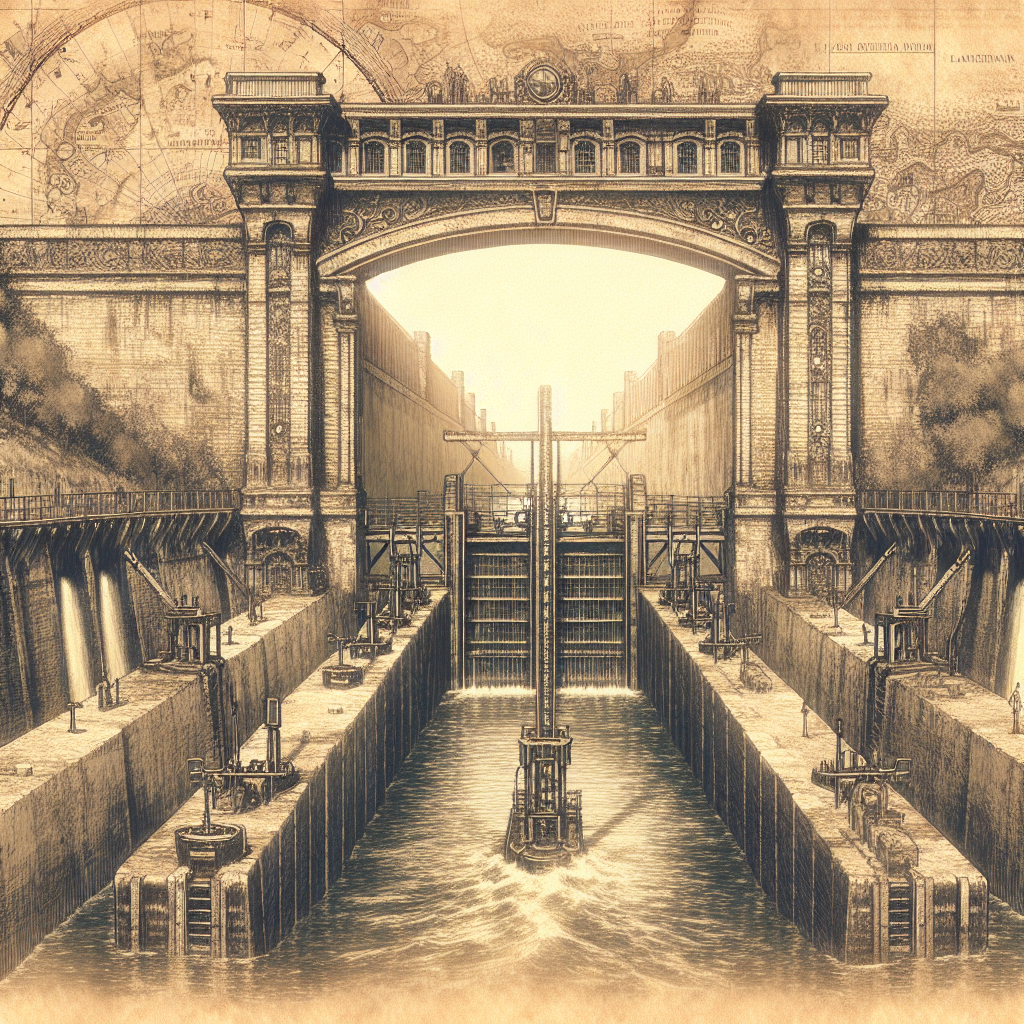

To many, the Tidewater Lock sounds like something out of a mysterious novel, yet it is a real and fascinating piece of engineering history tucked away along the banks of the old James River and Kanawha Canal in Richmond, Virginia. Built in the 18th century, the lock was part of a grand vision to connect inland Virginia with the Atlantic Ocean, facilitating a trade network that would rival those of ancient empires. This historic marvel, although overshadowed by modern industrial giants, tells a story of ambition, technological innovation, and its implications for contemporary society.
For the uninitiated, Tidewater Lock was once a crucial part of a system designed to extend the James River into the heart of the state. The efforts to build a canal in Virginia began in the 1780s, aiming to circumvent the natural barriers posed by the rocky and tumultuous James River, especially along its fall line. The lock system allowed flat-bottomed boats to navigate the change in elevation, effectively linking rural communities with global markets.
The lock itself is a marvel of early American engineering, reflecting a confluence of European design with the adventurous spirit of the American frontier. Its creation wasn't just about moving goods; it symbolized progress and the belief that we could shape the world around us to our needs. Engineers and laborers, many of whom were enslaved people, carved through the rugged landscape, laying the groundwork for what was then seen as America’s economic future.
As impressive as the engineering was, it was the society around the lock that is perhaps most fascinating. The Tidewater Lock wasn't just a transportation route; it was a meeting place, a hub of exchange not just of goods but of ideas and culture. For many in the bordering towns, the lock was a lifeline. Markets opened, communities grew, and cultures blended along its banks.
These favorable outcomes, however, were largely built on the back of a deeply unequal labor system. Enslaved labor was pivotal to the construction and operation of the canal system, raising significant moral questions even amid the optimism of economic growth. The canal infrastructure served as a literal and metaphorical bridge in an era teeming with contradictions between the pursuit of freedom and the reality of enslavement.
Fast forward to us, we're living in a world where such feats of engineering seem quaint yet still captivate our imagination. Tidewater Lock is largely an artifact, serving more as an educational portal to the past than a functioning piece of modern infrastructure. Visitors can wander the paths that were once trod by traders and travelers alike. It's humbling to witness how human ambition and creativity can bring about progress but also reflect on the complex legacies that this progress often leaves behind.
It stirs a sense of nostalgia while also reminding us of the perseverance and ingenuity needed to fuel future technological endeavors, be it in addressing climate change or redefining transportation again. Learning from Tidewater Lock isn't simply about relishing in history; it's about inspiring the next wave of engineers and thinkers to balance human progress with ethical considerations, equity, and sustainability.
While it’s easy to romanticize the past, we have a responsibility to not gloss over the often harsh realities faced by those who built these wonders and to recognize history's lessons. Today, as we face our own set of monumental challenges—from climate change to social inequities—these are reminders of the power and potential of investing in public works that prioritize the well-being of all.
For those interested in experiencing this quiet slice of history, a visit to the Tidewater Lock site is a chance to connect with our collective past. It’s a place to reflect on where we've been and where we could go, blending historical insights with a hope for a more just and innovative future. Let the locks open our minds to possibilities as vast as they were when this waterway was the pinnacle of commerce and connection.