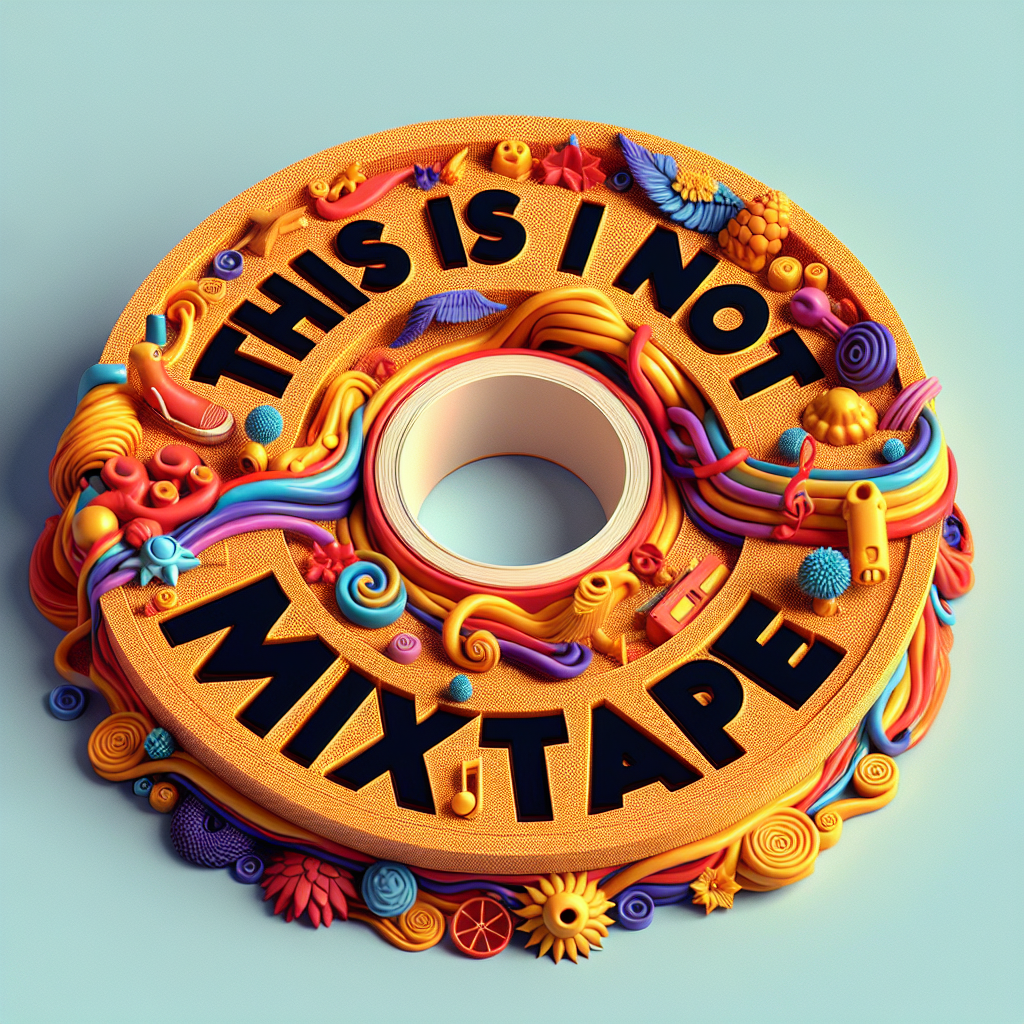

This Ain't No Mixtape
In the bustling city of New York, on a crisp October evening in 2023, a group of young activists gathered in Union Square to protest against the rising cost of education. They were armed not with signs or chants, but with a unique weapon: a playlist. This wasn't just any playlist; it was a carefully curated collection of songs that spoke to the struggles and aspirations of a generation burdened by student debt. The event, organized by a coalition of student groups, aimed to draw attention to the crippling financial pressures faced by students across the United States. The choice of music as a medium was both strategic and symbolic, reflecting the deep connection between art and activism.
The use of music in protests is not a new phenomenon. Throughout history, songs have been a powerful tool for social change, from the civil rights anthems of the 1960s to the anti-war ballads of the Vietnam era. Music has the ability to transcend language and cultural barriers, uniting people in a shared emotional experience. For the young activists in New York, the playlist was a way to communicate their message in a way that was both accessible and impactful. It was a reminder that the fight for affordable education is not just a political issue, but a deeply personal one that affects millions of lives.
Critics of the protest argue that music is an ineffective tool for enacting real change. They claim that while songs can raise awareness, they do little to address the root causes of systemic issues like student debt. Some believe that more traditional forms of activism, such as lobbying and policy advocacy, are necessary to achieve tangible results. However, the activists in Union Square see things differently. They view music as a catalyst for conversation, a way to engage people who might otherwise be indifferent to the cause. By tapping into the emotional power of music, they hope to inspire a new generation of advocates who are passionate about creating a more equitable education system.
The playlist itself was a diverse mix of genres and artists, reflecting the varied backgrounds and experiences of the students involved. From hip-hop tracks that spoke to the struggles of urban youth, to indie ballads that captured the angst of growing up in a world of uncertainty, each song was chosen for its ability to resonate with listeners on a personal level. The organizers believed that by sharing their stories through music, they could foster a sense of solidarity and community among those who feel marginalized by the current system.
While the protest in Union Square may not have resulted in immediate policy changes, it succeeded in sparking a conversation about the future of education in America. It highlighted the need for innovative approaches to activism, ones that embrace the cultural tools and technologies of the digital age. For the young activists, the playlist was more than just a collection of songs; it was a call to action, a reminder that the fight for justice is ongoing and that every voice matters.
In a world where attention spans are short and distractions are plentiful, finding new ways to engage people in important social issues is crucial. The use of music in activism is a testament to the creativity and resilience of a generation determined to make their voices heard. As the echoes of the playlist fade into the night, the message remains clear: this ain't no mixtape, it's a movement.