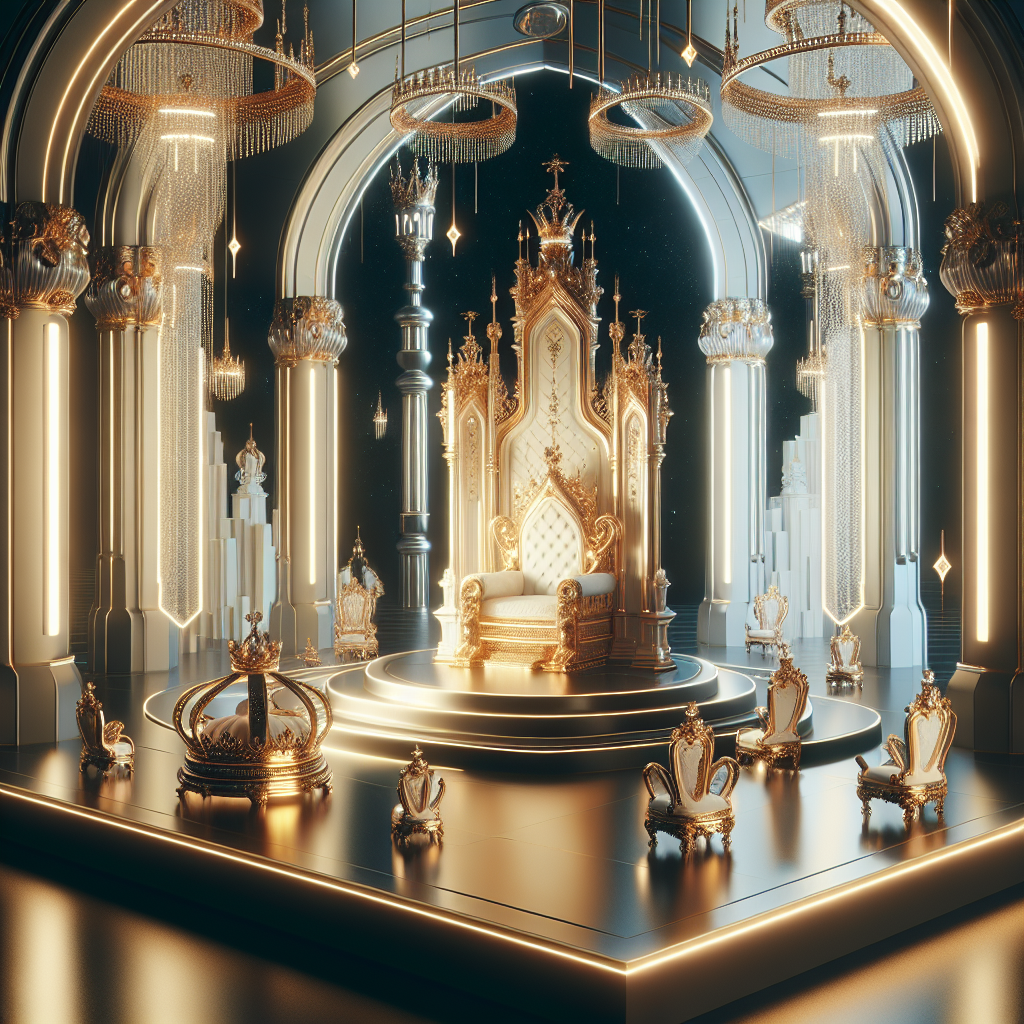

When the curtain is lifted on the fictional British monarchy in "The Royals," surprises await at every turn. Created by Mark Schwahn, this American drama series aired on the E! Network from March 2015 to May 2018. Set in present-day London, it explores the lives of a fictional royal family, bringing intrigue, drama, and a hefty mix of both serious and scandalous undertones. With actors like Elizabeth Hurley playing Queen Helena, you're in for a ride through opulence and chaos.
"The Royals" sets its scene within the palatial walls of the House of Hemlock. Right off the bat, the show hooks you with family drama - the gloss and glamour you expect from a royal family diluted by doses of betrayal, power struggles, and relationship turmoil. Unlike the tabloids that detail the British monarchy's real-world embellishments, Schwahn's creation opts for full-blown drama; showing royalty that drink nearly as much as they rule. The show spins around the death of the heir apparent, Prince Robert, which sends shockwaves through the family, tipping their gilded world into chaos.
On the surface, "The Royals" is about extravagant parties and sometimes questionable adventures of blue-blooded elites, but the series strikes deeper tones that echo some real-life societal issues. There's an exploration of power dynamics within families, the impact of fame, and the psychological toll of embodying public personas, ringing eerily relevant in today's celebrity culture. In Queen Helena you find the perfect embodiment of power - meticulous and affectionate - yet deeply political in her pursuits. Hurley's portrayal is magnetic, her personality a clever blend of ruthlessness and self-preservation.
Viewers tuned into "The Royals" for the spectacle - drama punctuated by luxurious settings and shifting alliances. However, the underlying tensions and insights into public life add layers that elevate it from a mere visual parade. Critics have had mixed reactions toward the series. Some feel the show frivolous, laden with predictable hooks typical of drama series indulgences. Then there are those who praise its escapist nature; how it offers a view into the trifles of the elite from a lens too lavish to be entirely relatable yet curiously hypnotic.
In middle seasons, the moral boundaries that characters navigate are tested. The quest for control and eventual liberation from tradition become dominant themes. Princess Eleanor's rebellious nature and Prince Liam's quest for his lost self after losing direction post-tragedy offer perspectives on younger royals striving for personal identity amid the jewels and crowns. Nobody is perfect, certainly not the characters inhabiting the spotlight. They mirror struggles familiar to Gen Z - finding oneself in a world that demands conformity but craves uniqueness.
The show's capacity to blur the lines between fantasy and a satirical examination of real-world royals is commendable. It contemplates the rigorous expectations placed upon public figures, parallel to an increasing obsession with celebrity culture in the digital age. The series doesn't shy away from critiquing the media with subplots that emphasize its impact and persuasion over the public's and celebrity's lives.
For all its grandeur and drama, "The Royals" faced controversies that added folds to its off-screen narrative. Showrunner Mark Schwahn was embroiled in misconduct allegations during the latter seasons, a reminder of the growing movement within the industry to call out and address abuses of power. The production of "The Royals" wasn't impervious to these realities, pushing the show into a reflective chatter about the real worlds the entertainment industry sometimes conceals.
There's a nihilistic undercurrent to "The Royals," a suggestion that beneath the crowns and scepters lies a fragile humanity. It’s a reminder that while drama and fiction can offer escape, they often mirror the difficulties and scandals of reality. Even privileged lives aren’t devoid of woes—personal, political, or societal.
"The Royals" remains engraved in the hearts of its fans not necessarily as an example of cultural critique, but as a compelling narrative ticking all boxes for melodramatic flair in a fictional kingdom. It manages to entertain and engage, prompting discussions about fame's coexistence with personal turmoil. And as we learn from both the fictional drama and real-life controversies surrounding the series, there's always a backstage to the bright lights—a complexity words often struggle to entirely capture.