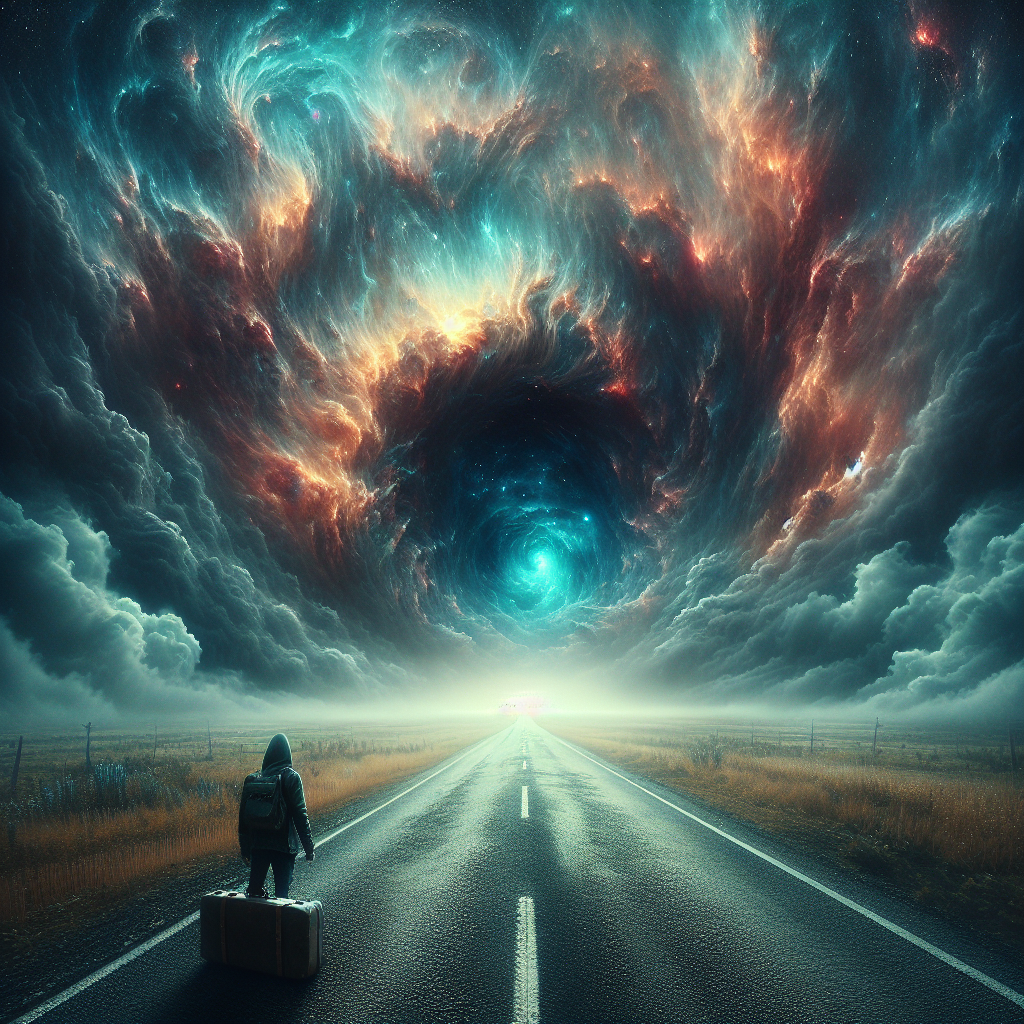

Picture this: you're alone on an endless road with a mysterious figure haunting every milestone along the way. Such is the eerie tale presented by "The Hitch-Hiker," an episode from the iconic American anthology series, The Twilight Zone. Created by Rod Serling, the 1960 episode stars Inger Stevens as Nan Adams, whose life takes a surreal turn as she encounters a stranger during a solitary desert drive.
Nan's journey begins with a seemingly innocuous road trip from New York to California. After surviving a near-fatal accident in Pennsylvania, Nan notices a strange figure—a hitch-hiker—continuously appearing along her path. Wherever she goes, he is there, waiting. His relentless presence instigates paranoia, setting a chilling tone that resonates with the show's ethos.
"The Hitch-Hiker," similar to many Twilight Zone tales, taps into deeper-seated fears. It raises unsettling questions about life, identity, and the inevitability of death. The episode elicits a profound sense of unease, as viewers begin to contemplate the nature of fear and existence. Rod Serling masterfully crafts a narrative that balances supernatural elements with the very real terror of human mortality.
Nan's journey reflects a broader commentary on our tendency to avoid confronting hard truths. In our modern lives, especially among Gen Z, there's a constant barrage of distractions—social media, endless streaming options, and infinite news cycles. These distractions can serve as temporary escapes, making the episode's theme particularly relevant. As Nan tries to outrun her mysterious stalker, viewers are reminded of the inevitable truths we all face, encouraging a moment of self-reflection.
While Nan's story may seem rooted in a bygone era, its thematic elements remain strikingly current. The isolation she experiences feels analogous to the social isolation prompted by today's digital age. Many feel more detached than ever, despite always being virtually connected. Her journey emphasizes the importance of facing life's challenges head-on, a valuable lesson across generations.
However, it’s essential to remember that fear is subjective and complex. While some might interpret Nan’s tale as purely a ghost story meant to entertain, others might draw from it an allegory for deeper, unaddressed anxieties. It's this duality that makes the episode a timeless gem, inviting discourse among fans and critics alike.
Despite its release over six decades ago, "The Hitch-Hiker" retains its chilling originality, engaging audiences who appreciate its psychological depth and eerie simplicity. Unlike the jump scares of traditional horror, this episode employs suspense and existential dread, maintaining viewer engagement without resorting to visual frights.
It's intriguing to note the various interpretations and criticisms surrounding the episode. Some view the hitch-hiker as a representation of death itself, perpetually trailing humanity like an inescapable shadow. Critics argue the depiction was a product of its era, highlighting societal concerns over fate and free will. On the other hand, modern viewers might perceive the hitch-hiker as a symbol for the anxiety looming over daily life, deepened by a world seemingly on the brink of disaster at any given moment.
Despite contrasting interpretations, there's consensus regarding the episode's artistry. With stunning performance by Inger Stevens and Serling's gripping storytelling, the episode resonates beyond simple genre limitations. Its power lies in subtly unsettling viewers with its narrative scope, leaving a lasting psychological impact.
“The Hitch-Hiker” inspires reflection on how we navigate the lonely stretches of our own metaphorical highways. It challenges us to question the nature of reality, time, and mortality, inviting us to resist complacency in the pursuit of authentic human experiences. As Gen Z confronts a future rife with uncertainty, the episode's message remains particularly poignant.
In revisiting this classic, one appreciates not only the artistry of its era but also the timelessness of its themes. Serving as both a cautionary tale and an exploration of fear, "The Hitch-Hiker" stands testament to the enduring power of thoughtful storytelling. Rod Serling's creation offers both a mirror and a guide, urging us to confront our fears and embrace the unknown.