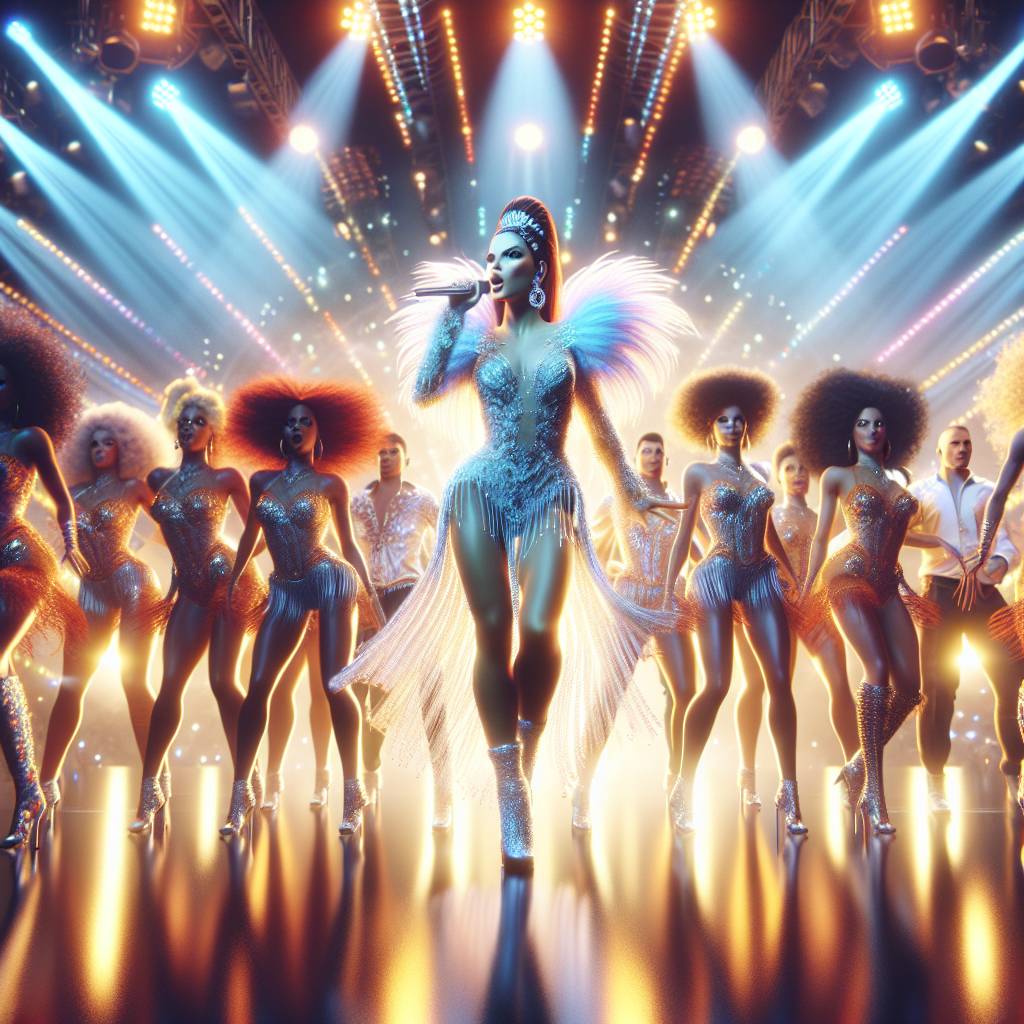

Imagine stepping into a world where pop music meets a theatrical spectacle, and you've got 'The Girlie Show' by Madonna. Debuting in 1993, this world tour took audiences on a whirlwind journey of shock, awe, and empowerment. The tour spanned cities from London to Tokyo, leaving an indelible mark on the musical landscape of the 90s. At its core, The Girlie Show was Madonna challenging preconceived notions and pushing societal boundaries, in a time when those very notions were being vigorously debated.
Beyond its impressive choreography and stage design, The Girlie Show was striking for its themes and storylines. Madonna used this series of concerts to explore issues of gender, power, and sexual identity. At its heart, it was a celebration of freedom and self-expression and a statement against the conservatism rampant in the early 90s. Through her performance, Madonna engaged with her audience on a deeply personal level, often making them question their own beliefs and encouraging them to celebrate their individuality.
This tour wasn't without controversy. Many critics viewed the provocative content as unnecessary, arguing that it focused too heavily on sexual imagery. However, others saw her audaciousness as a bold move to normalize discussions around subjects like sexuality and power dynamics. For many fans and critics alike, Madonna's work demonstrated how pop music could function as an artistic medium capable of broaching taboos and advancing cultural conversations.
There was also a strategic brilliance in her production choices. The blend of circus themes and cabaret elements made each performance unique. This blend wasn't just for show; it was an artistic play on the commodification and performance aspects of gender and power. Audiences saw more than just a concert; they witnessed a spectacle that married music with a broader socio-political commentary. And in a world where pop often emphasizes glossy, packaged appeal, Madonna dared to disrupt, offering something substantive and raw.
Whether applauded or criticized, there's no denying the impact of The Girlie Show. It not only represented Madonna's artistic evolution but also left a lasting impact on many social dialogues about art and self-expression. The tour offered a refreshing take on performance art that embraced complexity over comfort. Madonna used her platform to insist on a bigger conversation, one that looked beyond pop stardom to grapple with issues that societies were grappling with globally.
Interestingly, the show also functioned as a turning point for some fans who might not have expected a pop concert to be so politically and culturally charged. Gen Z readers might find this aspect particularly resonating, as youth audiences today are often tuned into cultural narratives and activism. This historical lens helps budding activists understand the changes in cultural landscapes and appreciate instances where pop culture made a tangible cultural impact.
By incorporating such themes in a mainstream tour, Madonna arguably laid the groundwork for pop music to be a vessel for cultural critique and change. In that sense, The Girlie Show was not just a homage to creative freedom but a defiant stand in favor of progressive dialogue, one that transcends the space of concerts and resonates in universal conversations about identity and freedom. This sentiment is prevalent today, more so with the internet amplifying multiple voices that demand societal shifts.
These performances were much more than just music—they were a statement. Madonna's artistry was raw, often unpredictable, and sometimes controversial, but never without purpose. She continued to mock the staid norms that were pervasive at the time. As much as she ruffled feathers, she also provided a space for empowerment and artistic freedom, challenging both her audience and the broader culture to reconsider how they viewed the intersections of gender, sex, and media.
Today's world, shaped so immensely by digital landscapes and social media dynamics, resonates closely with Madonna's emphasis on self-expression through her concert series. Her voice demanding change, remains as relevant now as it did then. With pop artists today pushing similar boundaries, it’s clear that the legacy of Madonna's The Girlie Show endures.