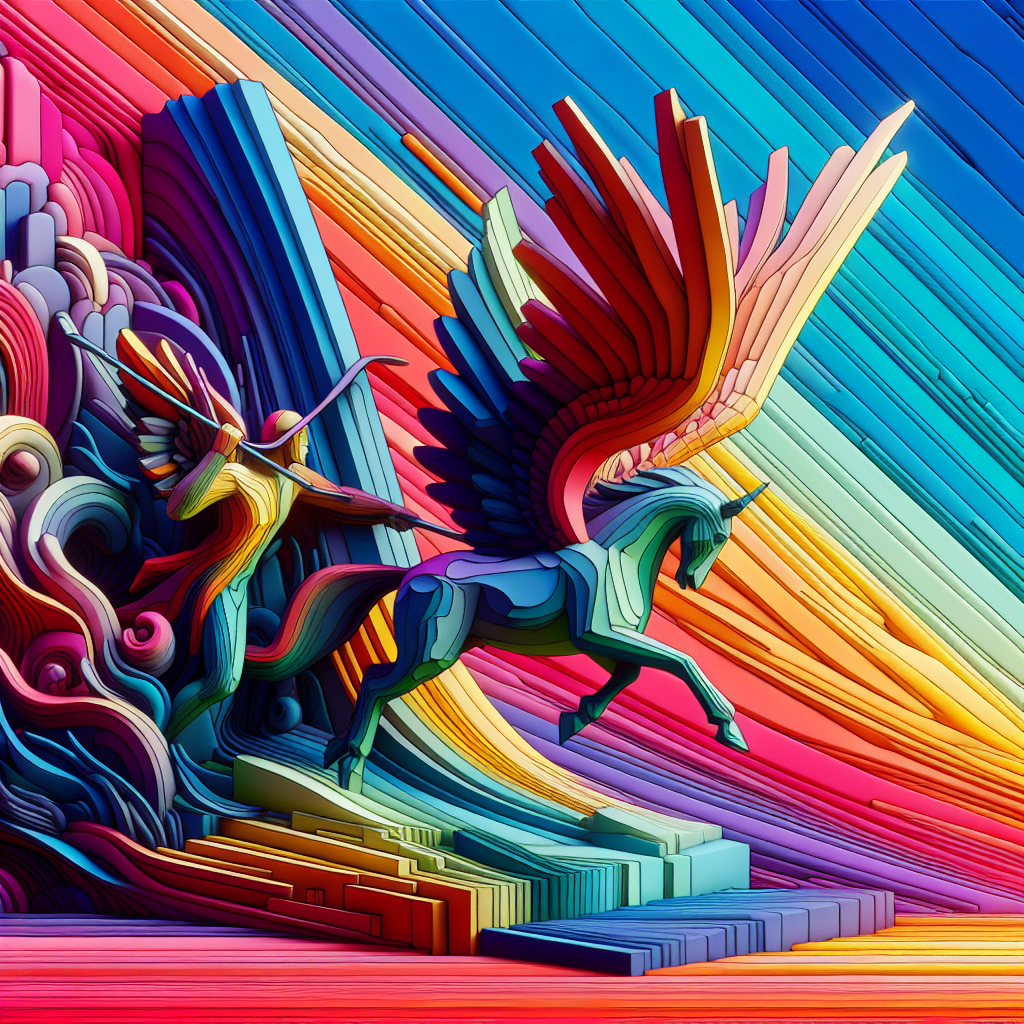

The Fall of the Rebel Angels: A Timeless Tale of Rebellion and Consequence
Imagine a celestial drama unfolding in the heavens, where angels, once loyal and pure, find themselves cast out in a spectacular fall from grace. This is the essence of "The Fall of the Rebel Angels," a story that has captivated imaginations for centuries. The tale, rooted in religious texts and artistic interpretations, tells of a rebellion led by Lucifer, the most radiant of angels, against the divine order. This cosmic insurrection, occurring in the ethereal realms of heaven, results in the expulsion of the rebellious angels to the depths of hell. The narrative serves as a powerful allegory for the consequences of pride and defiance, resonating with audiences across time and cultures.
The story of the rebel angels is not just a religious or mythological account; it is a reflection of human nature and the eternal struggle between good and evil. The angels, led by Lucifer, represent the quintessential rebels, challenging authority and seeking autonomy. Their fall is a cautionary tale about the dangers of hubris and the inevitable downfall that follows unchecked ambition. This narrative has been depicted in various forms of art, literature, and music, each interpretation adding layers to its meaning and relevance.
One of the most famous artistic representations of this story is Pieter Bruegel the Elder's painting, "The Fall of the Rebel Angels," created in 1562. Bruegel's work captures the chaos and turmoil of the celestial battle, with angels and demons locked in a fierce struggle. The painting is a visual feast, filled with intricate details and symbolic imagery that invite viewers to ponder the moral and philosophical questions posed by the story. Bruegel's interpretation highlights the complexity of the conflict, portraying the fallen angels not just as villains, but as tragic figures caught in a cosmic drama.
The tale of the rebel angels also finds resonance in literature, most notably in John Milton's epic poem, "Paradise Lost." Milton's work delves into the motivations and inner turmoil of Lucifer, offering a nuanced portrayal of the fallen angel. Through Milton's lens, Lucifer becomes a symbol of the rebellious spirit, embodying both the allure and the peril of challenging the status quo. "Paradise Lost" explores themes of free will, redemption, and the nature of evil, inviting readers to reflect on the moral implications of the angels' rebellion.
While the story of the rebel angels is steeped in religious tradition, it also speaks to universal themes that transcend specific beliefs. The narrative raises questions about authority, freedom, and the consequences of our choices. It challenges us to consider the fine line between righteous defiance and destructive pride, urging us to reflect on our own actions and motivations. In a world where rebellion and resistance are often celebrated, the story of the rebel angels serves as a reminder of the potential costs of such actions.
Critics of the story might argue that it reinforces a rigid moral framework, discouraging dissent and promoting conformity. They may see the tale as a tool used by religious institutions to maintain control and suppress individual expression. However, others might view it as a valuable lesson in humility and the importance of recognizing our limitations. The story's enduring appeal lies in its ability to provoke thought and inspire dialogue, encouraging us to grapple with complex ethical dilemmas.
In today's world, where issues of power, authority, and resistance are ever-present, the story of the rebel angels remains relevant. It challenges us to examine our own beliefs and actions, to question the systems we live within, and to consider the impact of our choices on ourselves and others. Whether viewed as a cautionary tale or a celebration of the rebellious spirit, "The Fall of the Rebel Angels" continues to captivate and inspire, reminding us of the timeless struggle between light and darkness.