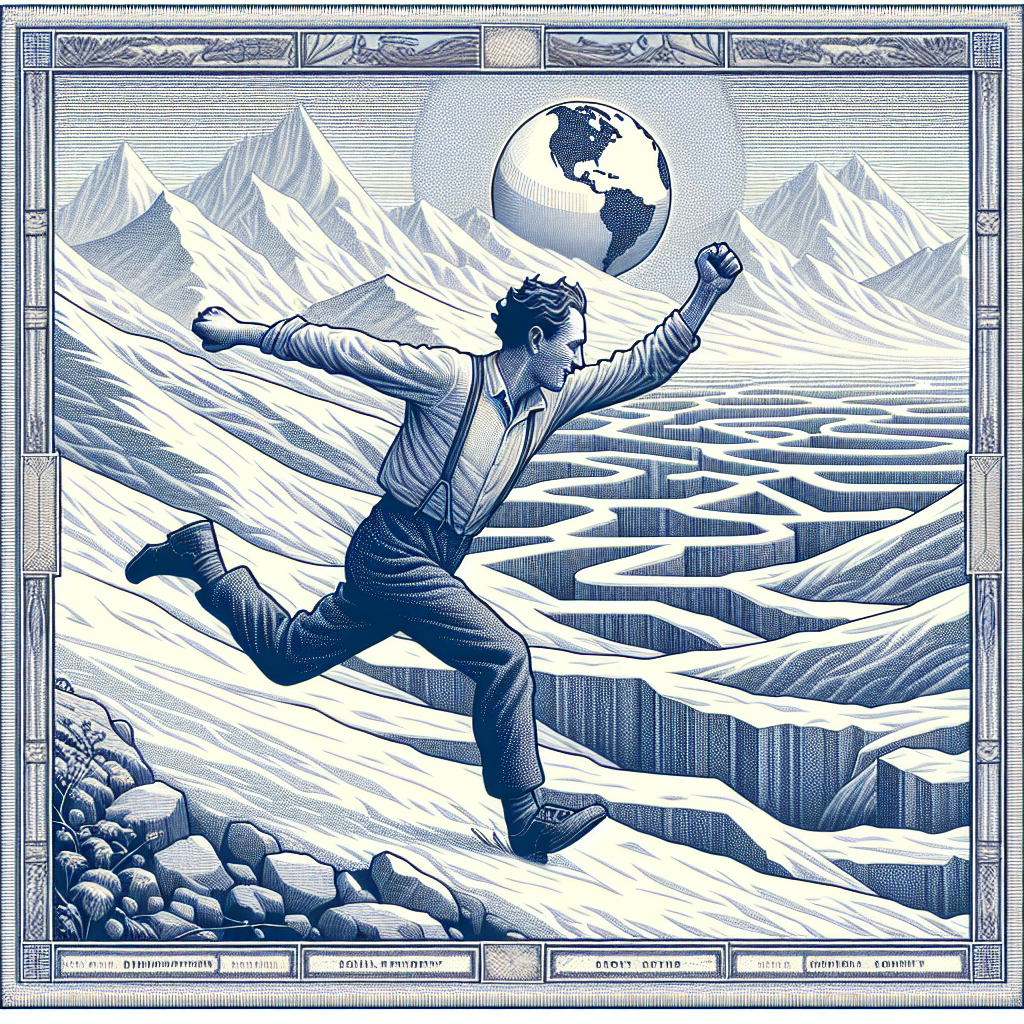

Every now and then, history gives us an underdog story that defies all odds, and Taisto Mäki's tale is just that. Taisto Mäki, born in Rekola, Finland, on December 2, 1910, was a legendary Finnish long-distance runner who became a global sensation by smashing records during the interwar period. Mäki skyrocketed to fame when his career took off in the 1930s, a time when his country needed inspiration amidst the looming concerns of global conflict.
Mäki’s journey was more than just about athletic prowess. It was about transcending barriers. He showed the world what could be accomplished with dedication and resilience. When Finland was starting to make its mark in the world of athletics, Taisto Mäki was there at the forefront, pushing himself and his country to new heights.
In 1939, Mäki etched his name in the history books by becoming the first person to run 10,000 meters in under 30 minutes. This incredible feat was achieved on September 17th in Helsinki, when he clocked in at 29 minutes and 52.6 seconds. His achievement was more than just a record; it was a monumental shift in the realm of athletics, proving that human potential had the ability to stretch further than most believed possible at the time.
But it wasn't all smooth sailing for Mäki. He lived through times where political and societal pressures were at play, and athletic pursuits weren't always the main focus. The shadow of World War II loomed large, affecting resources, training, and even the morale of athletes worldwide. Yet, Mäki continued to train with determination, keeping his dream alive in an era dictated by uncertainty.
His dedication pushed many young athletes to look beyond the immediate challenges. His performances represented a beacon of hope during a time when Finland, and indeed the world, faced substantial hardships. It's essential to understand the landscape of the 1930s and early 40s: a period marked by economic struggle and the rise of totalitarianism, threatening the peace of the entire globe. Mäki's story is thus as much about his incredible personal successes as it is about a nation’s struggles and aspirations.
Despite not competing in the Olympics — due to the outbreak of the war — Mäki's influence didn't wane. He continued to inspire many with his record-breaking performances. However, it is equally crucial to recognize that his athletic career was impacted by larger geopolitical events, showing us how interconnected sports and politics can be.
There are critics who argue that athletes should be immune to political influences and ideologies. But ignoring the broader context which surrounds major sporting events and milestones can often miss the full picture. Athletes, like all of us, are not operating in a vacuum. Mäki's story serves as a reminder that sports can be a platform for activism and societal reflection.
Ultimately, Mäki retired from competitive athletics in 1943. Post-retirement, Mäki's contributions to sport continued through mentoring and encouraging new generations of athletes. He made a conscious effort to pave the way for others, showing that determination can lead to triumph despite setbacks. It's a narrative that resonates strongly today because, let’s face it, who doesn’t love a good comeback story?
His legacy was recognized by Finland when he was posthumously inducted into the Finnish Sports Hall of Fame in 1986. His legacy remains not just in record books but in the collective memory of a country that holds its athletes in high regard. In an era of heightened scandals and performance-enhancing drug debates, Mäki stands as a reminder of pure dedication and natural talent.
Learning about Mäki isn’t only about recognizing a superstar athlete from the past. It’s a confrontation with our own biases about capability and perseverance in the face of adversity. As we continue to navigate an often uncertain global landscape, stories like Mäki's are not just historical footnotes but valuable lessons in resilience and hope.