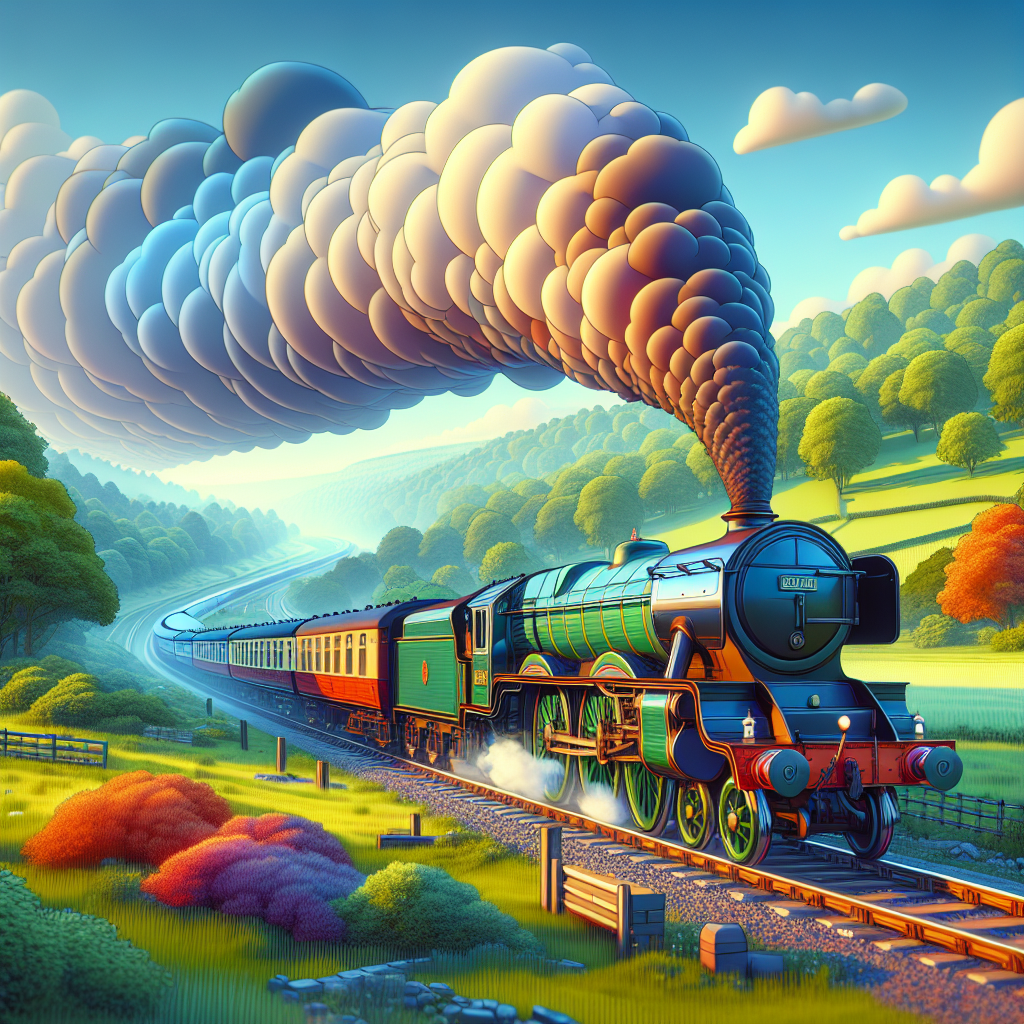

The Timeless Charm of British Railways' Steam Locomotives
Imagine a world where the rhythmic chugging of steam engines was the heartbeat of transportation, and the sight of a steam locomotive was as thrilling as a modern-day sports car. This was the reality for British Railways from 1948 to 1968, a period when steam locomotives were the backbone of the UK's rail network. British Railways, the state-owned company, was responsible for the rail transport system in Great Britain, and during this time, it operated a vast fleet of steam locomotives. These iron giants were not just machines; they were symbols of industrial prowess and national pride, crisscrossing the country from bustling cities to serene countrysides.
The steam locomotive era of British Railways was a time of both innovation and nostalgia. The locomotives were marvels of engineering, with their intricate designs and powerful engines. They were the workhorses of the railways, hauling passengers and freight across the nation. However, the transition to diesel and electric trains was inevitable as technology advanced and the need for more efficient and cost-effective transportation grew. The steam era officially ended in 1968, marking the end of an iconic chapter in British history.
For many, steam locomotives evoke a sense of nostalgia and romance. They are often associated with the golden age of rail travel, a time when journeys were as much about the experience as the destination. The sight of a steam engine billowing clouds of smoke and steam is a powerful image that has been immortalized in countless films, books, and photographs. It's no wonder that steam locomotives continue to capture the imagination of people around the world.
However, the transition away from steam was not without its challenges. Many railway workers, who had dedicated their lives to maintaining and operating these machines, faced uncertainty as diesel and electric trains took over. The shift also required significant investment in new infrastructure and technology, which was a daunting task for British Railways at the time. Despite these challenges, the move was necessary to keep up with the demands of modern transportation.
Today, steam locomotives are cherished relics of the past. Many have been preserved and restored by dedicated enthusiasts and heritage railways, allowing new generations to experience the magic of steam travel. These preservation efforts are crucial in keeping the history and legacy of steam locomotives alive. They serve as a reminder of a time when the world moved at a different pace, and the journey was just as important as the destination.
While some may argue that steam locomotives are outdated and inefficient, their cultural and historical significance cannot be denied. They represent a time of great change and progress, a period when the world was rapidly evolving, and the possibilities seemed endless. For those who experienced the steam era firsthand, these locomotives are a cherished part of their memories, a link to a bygone era.
In a world that is constantly moving forward, it's important to remember and appreciate the past. Steam locomotives of British Railways are more than just machines; they are a testament to human ingenuity and the spirit of adventure. They remind us of a time when travel was an experience to be savored, and the journey was as important as the destination. As we look to the future, let us not forget the lessons and legacy of these magnificent iron giants.