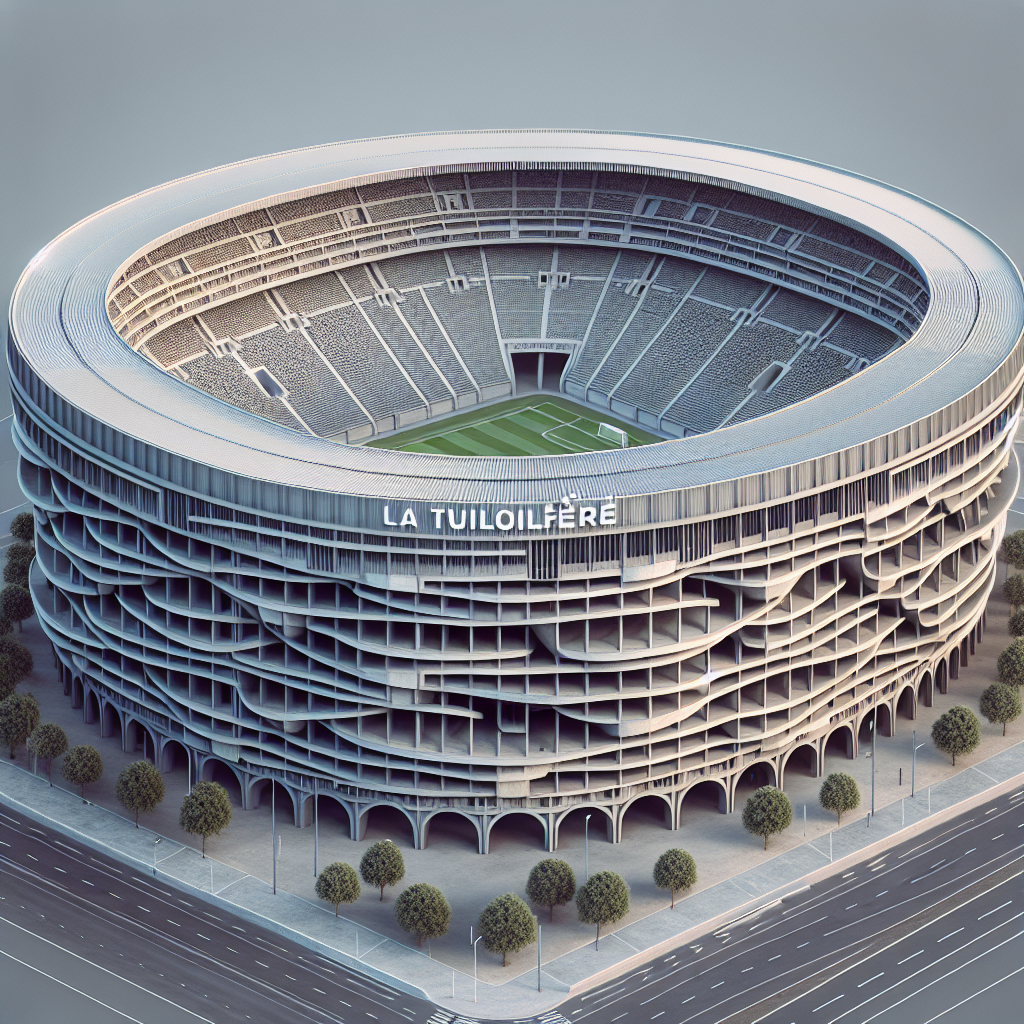

In the swirling modern era where tradition meets innovation, 'Stade de la Tuilière' is a striking example of how sports breathe life into a community. Opened in November 2020, this stadium situated in Lausanne, Switzerland, is already making waves in the sporting world. The venue is home to the FC Lausanne-Sport football club, a testament to its local cultural importance. Its existence beckons not just football fans but also architecture lovers who admire the stadium's modern design, eco-friendly initiatives, and the role it plays in uniting communities.
The experience at Stade de la Tuilière isn't just about the game. It's about creating a space that puts sustainability at the forefront while providing visitors with a unique experience. Built like a gem at the center of Lausanne's sports activities, it features a stunning architectural design combining sharp lines and sleek minimalism, intriguing to anyone who appreciates the blend of functionality and aesthetics. As if inviting nature to blend with the human endeavor, its open corners offer views of the surrounding Alps, serving as a reminder of the natural beauty that Switzerland is often celebrated for.
This stadium challenges the status quo with its commitment to limited environmental impact, featuring solar panels on its roof and sustainable resource use. The design itself integrates elements that minimize energy consumption and lean towards renewable resources, an essential step as the world increasingly confronts climate change. Critics argue that the resources spent on such constructions could be put into more pressing social matters, but the stadium creates jobs and provides a significant boost to local tourism and economy, hinting at the indirect social benefits it could provide.
Stade de la Tuilière isn't just about sports; it’s about community engagement too. It aims to open its doors to various events beyond football matches, envisioning a multifaceted space where cultural activities can thrive. This reflects a growing trend in urban planning that encourages multifunctionality for public spaces, ensuring that investments benefit as wide a community as possible over a longer timeframe.
While some skeptical voices worry that such projects might overshadow grassroots sports initiatives, it's essential to see how these spaces inspire younger generations. A local kid visiting the stadium for the first time might dream of playing on that pitch someday or even venture into careers in sports management, architecture, or environmental design. Critics from the financial perspective may point out the otherwise high costs of such constructions, but the potential for them to galvanize civic pride and inspire ambition in the younger population could make them worthwhile.
A consideration is the balance this stadium tries to achieve between modernization and tradition. It symbolizes a bridge between the old and new, respecting the cultural heritage while fostering advanced scenarios for tomorrow’s ambitions. By doing so, it navigates the rocky terrain between maintaining sports' historical spirit and engaging in forward-thinking urban development.
In a world where digital experiences often overshadow physical existence, places like Stade de la Tuilière emphasize the tangibility of shared human experiences. When thousands of fans gather, it highlights the stadium's role as a community cornerstone. It naturally makes one ponder if such precisely designed and eco-friendly stadiums encourage a more thoughtful approach to future urban developments. As humanity veers further into an environmental crisis, venues like this push the conversation forward about sustainable architecture and public investment in infrastructure projects.
As Swiss football moves its spotlight to this innovative stadium, it is worth contemplating the legacy such developments might leave behind. Projects that intertwine environmental, economic, and social benefits serve as blueprints for future exploits. In Stade de la Tuilière, both supporters and critiques find reason to envision broader conversations around sports, society, and sustainability. It reinforces the idea that sports venues, modern or traditional, have a profound potential to reflect and influence societal values and development.
Stade de la Tuilière boldly stands as a modern wonder designed for today's world, yet grounded in the spirit of community that transcends time. Its story of blending smart architecture and cultural intimacy makes it much more than a destination for football—it becomes the heartbeat of evolving communal identity.