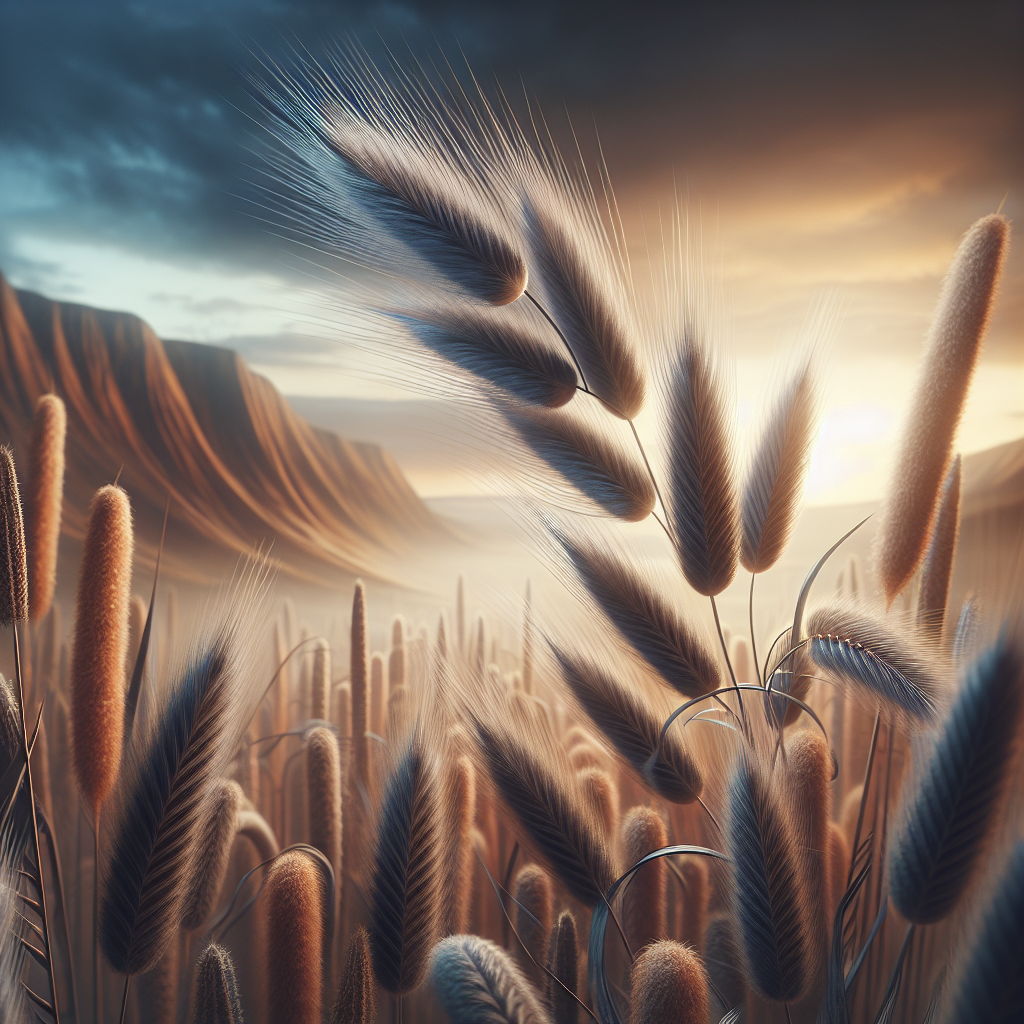

The Curious Case of Sporobolus Contractus: A Grass with a Story
Imagine a grass that not only survives but thrives in the harshest of conditions, and you've got Sporobolus contractus. This resilient plant, commonly known as spike dropseed, is a perennial grass native to the arid regions of the southwestern United States and northern Mexico. It has adapted to flourish in environments where other plants might struggle, making it a fascinating subject for botanists and ecologists alike. The grass has been around for centuries, but its significance is becoming more pronounced as climate change continues to alter ecosystems worldwide.
Sporobolus contractus is not just any grass; it plays a crucial role in its ecosystem. It provides food and habitat for various wildlife species, including insects and small mammals. Its deep root system helps prevent soil erosion, a vital function in the dry, windy areas it inhabits. This grass is a testament to nature's ability to adapt and sustain life in challenging conditions. However, its story is not just about survival; it's also about the delicate balance of ecosystems and the impact of human activity on these natural processes.
The importance of Sporobolus contractus extends beyond its ecological role. It serves as a reminder of the interconnectedness of life and the importance of preserving biodiversity. As human activities continue to encroach on natural habitats, the survival of species like Sporobolus contractus becomes increasingly uncertain. Urban development, agriculture, and climate change are all factors that threaten its existence. This grass, like many other species, is a silent witness to the changes happening in our environment, and its fate is intertwined with our own.
From a scientific perspective, studying Sporobolus contractus offers valuable insights into plant resilience and adaptation. Researchers are interested in understanding how this grass manages to thrive in such harsh conditions. Its ability to withstand drought and poor soil quality could hold the key to developing more resilient crops, which is crucial as we face the challenges of feeding a growing global population in a changing climate. By learning from nature, we can develop sustainable solutions that benefit both people and the planet.
While some may argue that focusing on a single species of grass is trivial, the broader implications of its study are significant. It highlights the need for conservation efforts and the importance of protecting natural habitats. The loss of any species, no matter how small, can have a ripple effect on the entire ecosystem. By preserving species like Sporobolus contractus, we are also preserving the intricate web of life that supports us all.
In the end, the story of Sporobolus contractus is a reminder of the resilience of nature and the importance of our role in protecting it. As we continue to face environmental challenges, it is crucial to recognize the value of every species and the lessons they can teach us. By understanding and appreciating the natural world, we can work towards a more sustainable future for all.