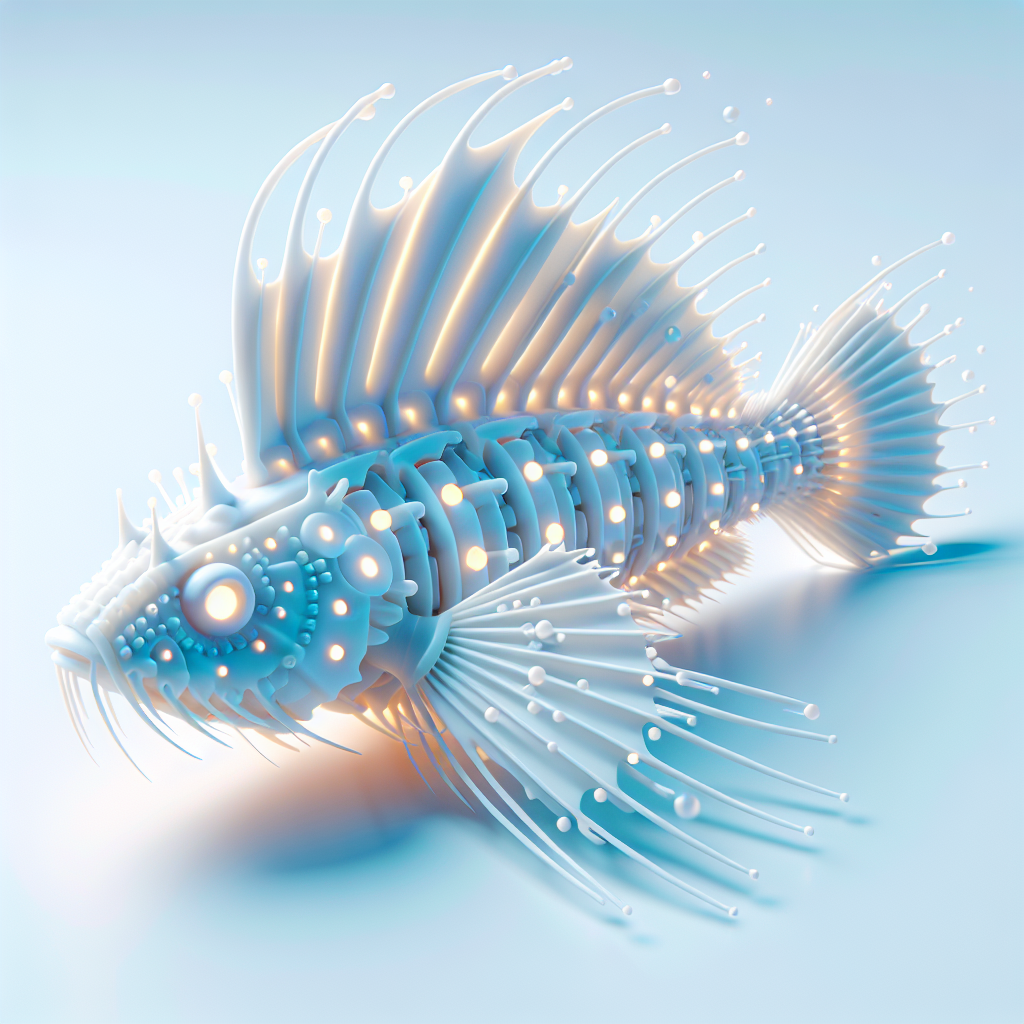

You wouldn’t expect a tiny fish to stir much interest, but the spined loach is one fascinating underdog. Native to Europe and parts of Asia, this peculiar fish with its slender, eel-like body and distinctive spines belongs to a group known as Cobitidae. These loaches are small, usually measuring around 10 centimeters in length, yet they wield an impressive arsenal against their underwater environment.
The spined loach spends much of its life near riverbeds, lakes, and slow-moving freshwater streams. They have a cryptic lifestyle, which means they blend in with their environment, using a sandy or silty river bottom to hide from predators. What makes them even more intriguing is their ability to breathe through their intestines. This remarkable adaptation allows them to survive in low-oxygen waters, which are often inhospitable to other fish.
Despite their adaptability, the spined loach isn’t immune to the environmental challenges faced by aquatic life today. Pollution, habitat destruction, and waterway modifications are significant threats. In many areas, these little survivors are now considered endangered. Like so many species, their future hangs in the balance as change threatens their ancient way of life.
Being an advocate for wildlife remains controversial for some. On one side, there's the view that conservation efforts are critical for preserving biodiversity and maintaining the delicate balance of ecosystems that support human life as well. On the opposite end, some argue that resources might be better spent on direct human benefits. It's a conversation worth having, especially when considering species that play less direct roles in human systems. The spined loach operates outside of our traditional views of 'usefulness' but comes with its narrative about resilience and adaptability — traits valuable in their own right.
Given their secretive nature, these fish might not be the stars of aquariums or known by the general public. However, many aquatic enthusiasts treasure them for their interesting habits, such as their reaction to weather changes. These loaches are known to become more active before a rainstorm, a natural alert system that connects the watery world below to the atmospheric one above.
Their role extends to being a part of the diet of larger fish and birds, contributing indirectly to the health of their ecosystems. When we lose a species like the spined loach, it can create a ripple effect, disrupting food chains and the broader environmental tapestry.
Interestingly, spined loaches are also a subject of scientific study because of their ability to respond to changes in the environment. They can serve as indicators for researchers monitoring the health of aquatic systems. A decline in their numbers might hint at broader environmental issues that could affect human populations.
What makes these little creatures even more noteworthy is their unusual reproductive biology. They have a specialized breeding season during which males develop tubercles on their bodies to help stimulate females to spawn. This ensures the continuation of their lineage, a dance as old as the rivers they inhabit.
There’s something inherently inspiring about the spined loach's quiet survivalism. As they weave through the narrative of Earth's biodiversity, they serve as a reminder of nature's complexity and interdependence. Each creature, no matter how small, contributes a verse to the elaborate biological poem we're all a part of.
Support for spined loaches, and other niche species, means supporting a healthier, balanced ecosystem, which ultimately benefits everyone. It's about understanding that playing a role in conservation is not necessarily about valuing one life over another but recognizing the importance of every puzzle piece in the great ecological jigsaw.
Learning about such species can shift perspectives, allowing us to see beyond immediate utility. The spined loach isn't just a fish; it's a tale of grit hidden in the muck of freshwater environments. Its story implores us to look at the world with curiosity and empathy, appreciating not just what we take from it but what we leave behind. In a time where ecological awareness is more crucial than ever, understanding and advocating for creatures like the spined loach can lay the groundwork for a more holistic appreciation of life on Earth.