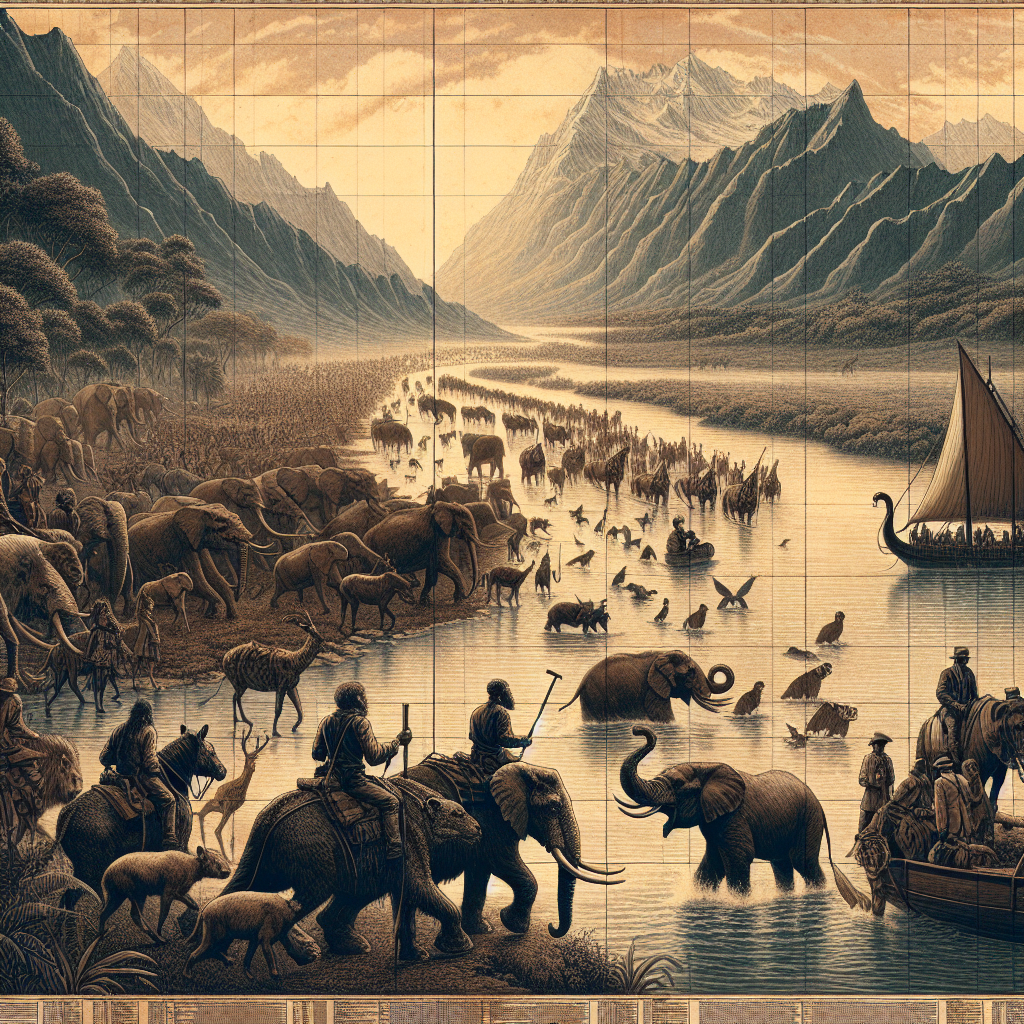

Picture a world where extinct species roam the earth again—not through science fiction’s time-travel fantasies but through the dedicated efforts of biologists and conservationists. This isn’t just a dream. Species reintroduction is a real and vibrant field of study that’s rekindling ecosystems worldwide. What is it? Simply put, it involves reintroducing species into former habitats. It’s like giving nature a second chance. It’s the heroic effort to undo past mistakes from human activities like habitat destruction and hunting that wiped out these creatures. These reintroduction efforts are happening around the globe, from the regal grey wolves in Yellowstone to the elusive lynx prowling through European forests.
Imagine the thrill of witnessing wolves reclaim their ancient territory, pushing through the snow-dusted landscape of the American West. Yet, it’s not just about the romanticized view of wolves howling at the moon. It’s about understanding the profound impact these keystone species have on ecosystems, how they bring balance by controlling prey populations, which in turn affects plant growth and diversity.
Reintroducing species can help repair the natural world. It’s about mending the intricate web where everything is interconnected. A prime example of this can be seen with the reintroduction of beavers in various parts of North America and Europe. Beavers are nature’s architects, curating water systems, creating wetlands, and providing habitats for numerous other species. Their return has bolstered biodiversity and improved water management, reducing floods and promoting clean water.
But, with all noble pursuits, there’s a tug-of-war between conservation efforts and the economic interests of local communities. Livelihoods can often clash with the priorities of ecological restoration. There’s valid concern over the potential livestock threats posed by reintroduced predators like wolves or lynx. Communities, understandably, fear for their farms and income. This conflict has presented a critical narrative where local voices must be heard and addressed respectfully if cohabitation is to be achieved.
Some argue that reintroduction is an overreach, a human meddling in nature yet again, wielding power without responsibility. They worry about unintended consequences, particularly in already fragile ecosystems or areas struggling with political or economic issues. Who gets to decide which species come back? These questions fuel heated debates.
On the other hand, proponents argue that humans have a duty to rectify our misdeeds, especially since our past actions led to the extinction of these species in the first place. They see reintroduction as an act of stewardship, where humans are catalysts for positive environmental change.
Technological advances and rigorous scientific studies have provided tools to ensure successful reintroduction. This includes careful genetic studies to avoid inbreeding, monitoring programs using GPS technology, and human-wildlife conflict mitigation strategies. It’s an intricate process, akin to orchestrating a symphony, where every note matters to maintain harmony.
The impact of climate change further complicates matters. With changing habitats and shifting ecosystems, predicting where and how reintroduced species will settle poses a significant challenge. Yet, species reintroduction can also potentially mitigate climate change effects by reviving carbon-sequestering landscapes. Consider forests flourishing under careful grazing by reintroduced herbivores.
Young people, especially, have embraced these efforts. Environmental activism is a hallmark of Gen Z’s societal contributions, and they sincerely invest in making sustainable changes. Social media renders a radical tool driving wider awareness and prompting action to protect endangered species and support reintroduction initiatives.
The celebration of biodiversity is at the core of wide-reaching conservation conversations, and species reintroduction is its headline act—a therapy for nature that brings hope and possibility, igniting our imaginations with visions of what our world once was and what it can become.
This is a new era. It's not just for conservationists or environmentalists. It involves all of us advocating for legislative change, supporting wildlife reserves and tourism that fund these initiatives, and creating spaces for dialogue that include all stakeholders. It is about community collaboration and empowerment, building bridges between diverse interests for the sake of nature’s future.