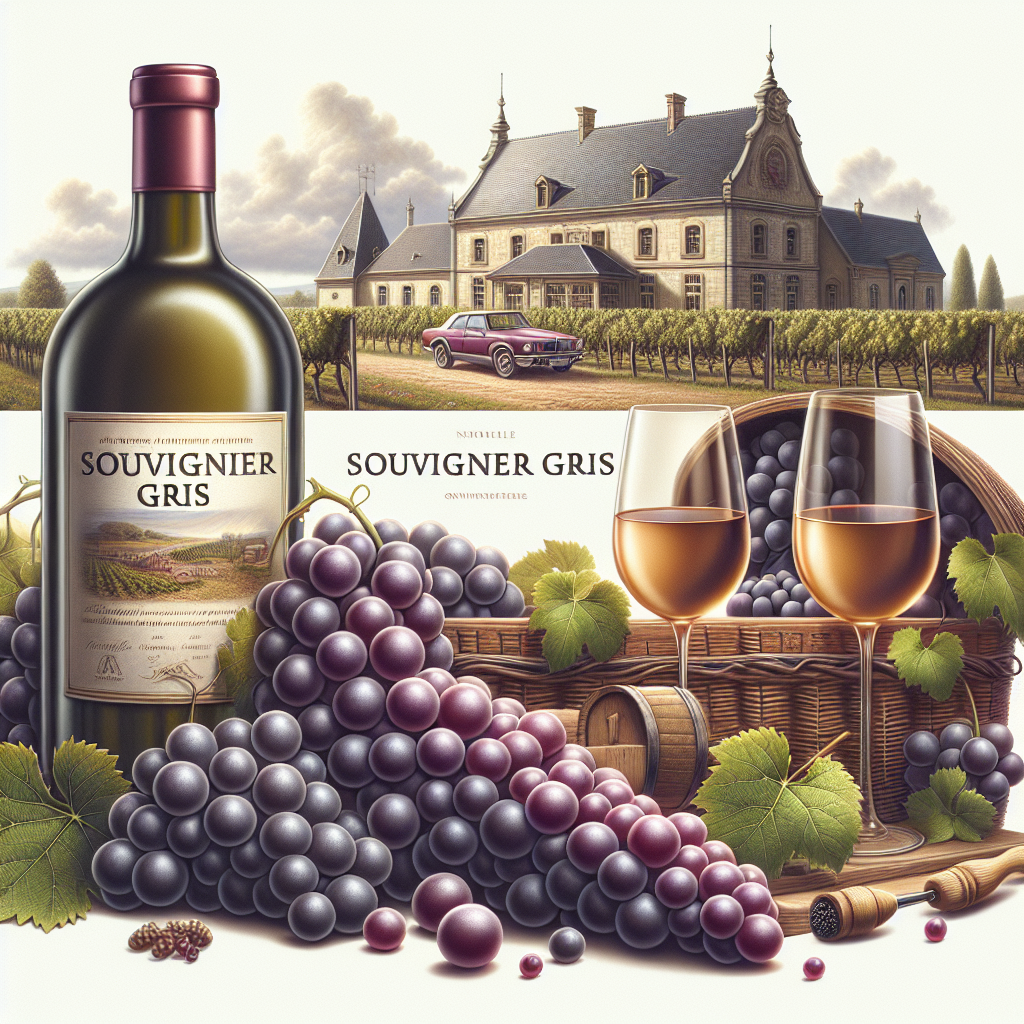

Out of the rolling, picturesque vineyards of Europe emerges a grape with a rather flamboyant name and a fascinating backstory: Souvignier gris. This interesting variety is making waves amongst wine lovers and growers alike. So, who is behind this grape revolution, what makes it special, when did it all start, where can you find it, and why should you care? A product of hybridization developed in 1983 by German viticulturists, Souvignier gris brings something fresh to the wine scene. Born out of a cross between Cabernet Sauvignon and Bronner, it speaks to a future where climate change challenges traditional wine growing.
Souvignier gris carries an enticing profile, offering nuanced flavors and aromas. It’s an elegant whisper of stone fruit and citrus, melded with floral notes that linger just enough to make you take another sip. Think of the lush combination of apricots, pears, and a hint of hibiscus. One of the most impressive aspects of Souvignier gris is its robustness. It withstands harsh weather and is mercifully resistant to common grape diseases like mildew. Who doesn't love a grape that does its job with minimal fuss?
This captivating resilience - the literal backbone of its creation - is a direct response to the growing uncertainties linked to climate change. Traditional grape varieties have taken a hit due to shifting weather patterns, prompting vintners to seek alternatives. As someone mindful of the climate crisis, you might find solace in knowing that Souvignier gris embraces the call for sustainable cultivation without sacrificing the quality wine drinkers crave.
However, it's not just about the climate struggle. From an economical perspective, investing in Souvignier gris could yield high returns for wine growers. Lower susceptibility to disease means fewer chemicals are required during cultivation, minimizing production costs and environmental damage. Considering the grassroots movement among Gen Z and millennials toward organic products, wines from such sustainable practices are appealing.
While some might argue traditional wines still hold the crown of prestige, it’s vital to broaden our horizons. We cannot ignore the overwhelmingly positive shift Souvignier gris represents. It cleverly reconciles economic sense with ethical responsibility. Plus, embracing these hybrids doesn't mean turning our backs on well-established favorites; rather, it's about enhancing our options and making space for innovation in the wine world.
This diversification in viticulture is catching on globally. You see Souvignier gris in Germany’s Baden region and stretching out as far as Switzerland and Belgium. It's also finding its way into the New World, with curious oenophiles from the U.S and Canada eager to explore its potential. Given its intrinsic adaptability, it’s no wonder Souvignier gris is seen as a grape for the future.
As Souvignier gris gains recognition, winemakers are experimenting boldly with this variety. The results are numerous styles of wines from dry to sweet, still to sparkling. It’s a grape that genuinely offers something for everyone. You can sip it chilled on a sun-soaked afternoon or pair it with a rich, indulgent meal. Its versatility is a testament to its competency as a serious contender among more established grape varieties.
But let’s address an unavoidable aspect of any innovative development: skepticism. Critics might question whether Souvignier gris will manage to hold its own alongside historical heavyweights. They argue that tradition shouldn’t be upset for the sake of novelty. And yet, every tradition we cherish today took moments of courageous invention to become established.
It’s reasonable to be cautious of the rapid changes Souvignier gris represents. But change need not be destructive. It can be enlightening. Recognizing and respecting our shared cultural wine heritage, while inviting new grape varieties like Souvignier gris into the fold, enriches our viticultural landscape. It’s a dialogue between past and future, a mosaic we're still crafting.
The rise of Souvignier gris is more than just about liking the taste of your wine. It gives you a chance to actively participate in sustainability and to support innovative approaches in agriculture. Whether you’re looking for new and exciting wine experiences or are passionate about ecological responsibility, there’s a place for Souvignier gris in your glass.
While it doesn't close the chapter on classic vintages, it writes an exciting new page in the wine story—one that we, and generations after us, will enjoy. Trying Souvignier gris offers a taste that bridges tradition and modernity, and that's something any forward-thinking wine lover can toast to.