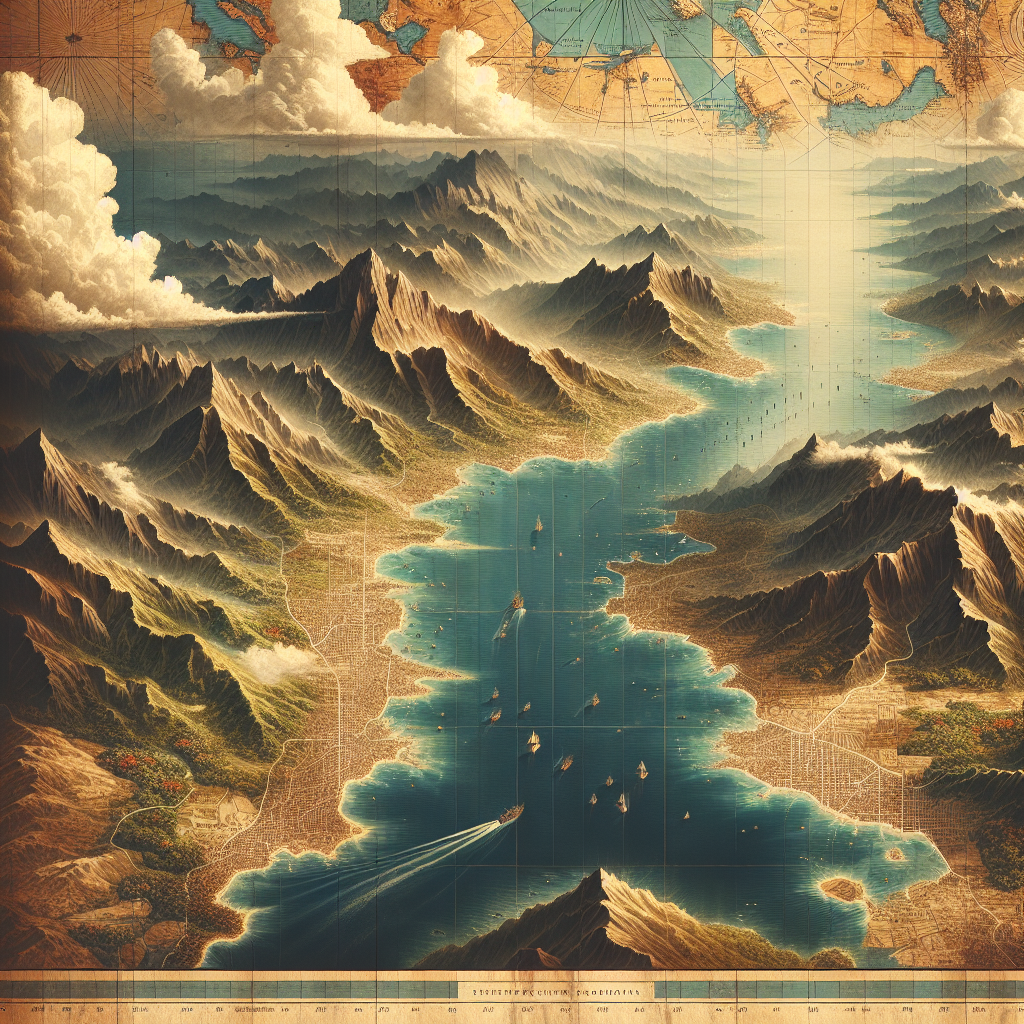

The Southern Region of Papua New Guinea: A Tapestry of Culture and Nature
Imagine a place where the vibrant hues of the rainforest meet the azure blues of the ocean, where ancient traditions blend seamlessly with the rhythms of modern life. This is the Southern Region of Papua New Guinea, a captivating area located on the eastern half of the island of New Guinea, just north of Australia. Known for its rich cultural diversity and stunning natural landscapes, this region is home to a multitude of indigenous communities, each with its own unique customs and languages. The Southern Region is a testament to the resilience and adaptability of its people, who have thrived in this lush environment for thousands of years.
The Southern Region is one of the four regions of Papua New Guinea, comprising several provinces, including Central, Gulf, Milne Bay, Oro, and Western. Each province offers a distinct experience, from the coastal beauty of Milne Bay to the rugged terrain of the Highlands. The region's capital, Port Moresby, is the largest city in Papua New Guinea and serves as a gateway to the country's diverse attractions. Despite its urban development, Port Moresby retains a strong connection to its cultural roots, with traditional markets and festivals that celebrate the region's heritage.
The people of the Southern Region are as diverse as the landscape itself. With over 800 languages spoken across Papua New Guinea, the region is a linguistic treasure trove. This diversity is reflected in the myriad of cultural practices, from the elaborate Hiri Moale Festival, which commemorates the traditional trade voyages of the Motu people, to the vibrant Kenu and Kundu Festival in Milne Bay, showcasing traditional canoe racing and drumming. These events not only preserve the cultural identity of the communities but also foster a sense of unity and pride among the people.
However, the Southern Region faces significant challenges. The impacts of climate change are increasingly felt, with rising sea levels threatening coastal communities and unpredictable weather patterns affecting agriculture. The region's economy relies heavily on natural resources, such as logging and mining, which can lead to environmental degradation if not managed sustainably. Balancing economic development with environmental conservation is a pressing issue that requires careful consideration and collaboration between the government, local communities, and international partners.
Despite these challenges, there is a growing movement towards sustainable development in the Southern Region. Initiatives aimed at promoting eco-tourism and preserving biodiversity are gaining traction. Local communities are increasingly involved in conservation efforts, recognizing the importance of protecting their natural heritage for future generations. These efforts are supported by international organizations and NGOs, which provide resources and expertise to help implement sustainable practices.
The Southern Region of Papua New Guinea is a place of contrasts and contradictions, where ancient traditions coexist with modern challenges. It is a region that embodies the spirit of resilience and adaptability, with communities that are determined to preserve their cultural heritage while embracing the opportunities of the modern world. As the region continues to navigate the complexities of development and conservation, it serves as a reminder of the importance of cultural diversity and environmental stewardship in our interconnected world.