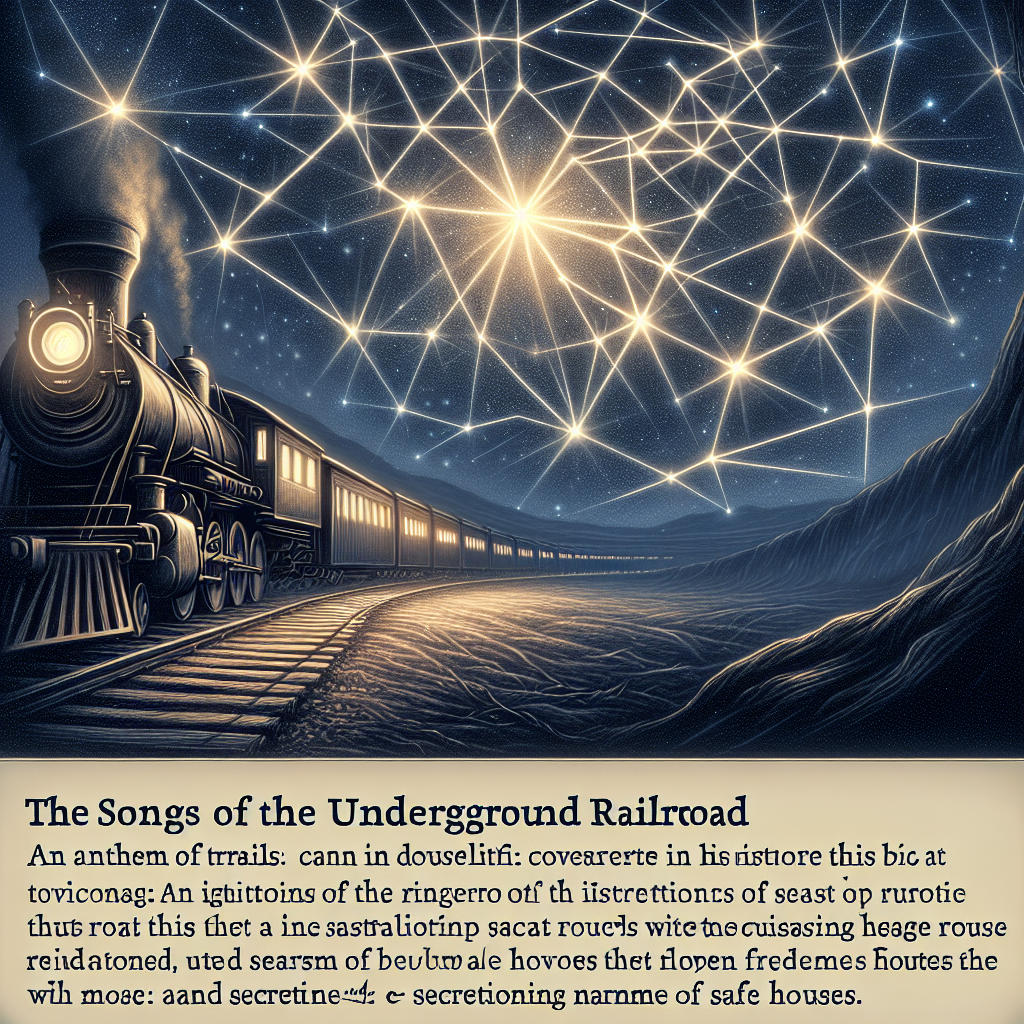

Imagine needing a song to guide you to freedom, and that's exactly what happened with the legendary Underground Railroad. During the early to mid-19th century, enslaved African Americans used secret routes and safe houses to escape to free states and Canada. This clandestine network is known as the Underground Railroad, a name that conjures images of covert operations and relentless bravery. But what's often left in the shadows is the powerful role music played in navigating this perilous journey. These were not just melodies; they were lifelines in a cruel world.
Songs carried deep meanings, encoded messages, and were a crucial method of communication. They served as a secret form of expression during a time when restricting communication was a way to control lives. The spirituals and hymns we often discuss were not just about religion or spirituality; they were survival guides. Slaves relied on oral traditions since most were forbidden from reading and writing. These songs signified hope, plans, and a promise of a new life.
One of the most famous songs is “Follow the Drinking Gourd.” At first glance, it seems like a simple folk melody. However, this song ingeniously incorporates directions to escape north by following the Big Dipper's handle, also known as the Drinking Gourd in African tradition. The song refers to specific landmarks and seasons, guiding those escaping bondage. It's the epitome of resilience and ingenuity, blending culture with necessity.
“Wade in the Water” is another hauntingly beautiful song that carried practical advice. Legend has it that the song was used to remind people to move into water if they needed to obscure their scent from tracking dogs. The songs were tools for survival, laying out strategies as part of a broader narrative of resistance against oppression.
But these songs weren't just limited to messages about escape. They also provided comfort, unity, and reassurance. In a world where families were often torn apart, storytelling through music was a way to maintain identity. Anthems like “Steal Away” and “Swing Low, Sweet Chariot” offered emotional solace, promising a release from earthly suffering, if not in this world, then in the next. They were infused with layered meanings about both spiritual and physical deliverance.
The power of these songs lies in their duality, in how they were both direct and metaphorical. They reinforced the idea that even in the darkest times, creativity can be a vehicle for change. These spirituals proclaimed a vision of freedom and dignity. It was a musical rebellion, an expression of the belief that humanity transcends chains and ownership.
Today’s political landscape is often fraught with debates over the role of history, race, and the legacy of slavery. It's critical to recognize how music from this era continues to shape cultural and political narratives. For some, these songs are a reminder of a painful history they would rather not revisit. However, for many, they serve as a testament to the enduring spirit of marginalized communities fighting against oppression.
Society often grapples with how to address and rectify past injustices. These songs should not be sanitized or seen as mere relics of a bygone era. They demand recognition not just for their artistic merit but for their role in catalyzing significant social change. Music from the Underground Railroad forged a path forward, serving as an enduring reminder that when voices cannot be heard, they must find other ways to speak.
While some fear that focusing too much on the past distracts from progress, others argue that understanding the past paves the way for a more equitable future. Bridging these differing perspectives can help create a society where cultural and historical awareness informs and enriches modern social justice movements.
In a world that’s often divided, the music of the Underground Railroad transcends time and place. It binds us together with harmonies born out of struggle and survival. These songs are cultural touchstones that continue to resonate with those who seek freedom and equality. As we listen, we are reminded to keep pushing the needle forward, ensuring that the echoes of these melodies are not forgotten.