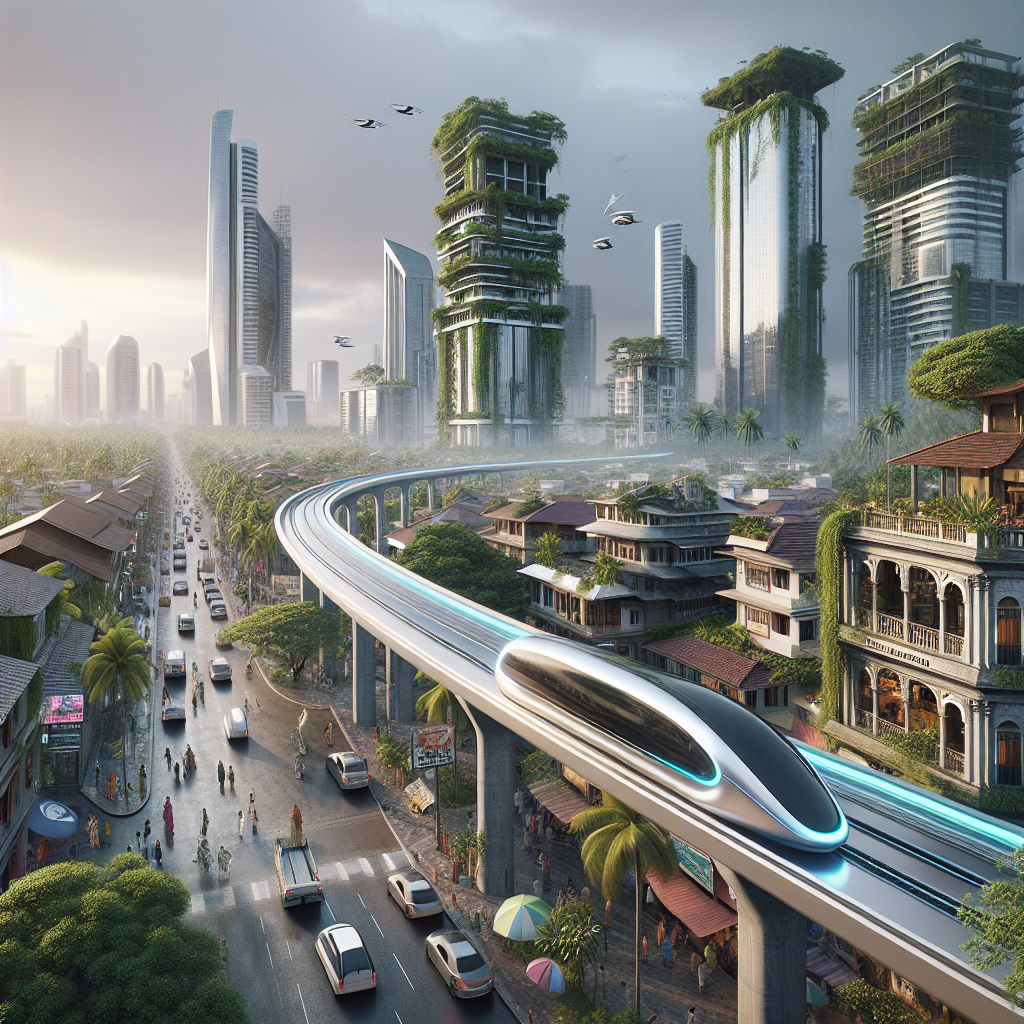

Imagine a sleek, high-speed train cutting through the lush landscapes of Kerala, offering a promise of modernity while igniting a debate that stretches across cultural, environmental, and economic lines. The Silver Line, also known as K-Rail, is not just a transport project but a symbol of progress and controversy rolled into one. This ambitious venture seeks to connect the northern part of Kerala to its southern tips, fundamentally altering travel and commuting with an estimated total cost of around INR 64,000 crore. The question of whether to greenlight such a massive undertaking is already generating intricate discussions and sparking a spectrum of opinions. The project is led by the state government and its supporters believe it will propel Kerala into a new era of connectivity and development. It's a leap forward in an era when sustainable transport holds the promise of reducing carbon footprints and offering smoother commutes, but it also conjures worries about land acquisition and ecological impact.
On one hand, the Silver Line is seen as a stellar leap towards modernization. Proponents within the government argue it will decrease travel time drastically, with a journey time of four hours from Thiruvananthapuram to Kasaragod. This is a significant improvement considering current travel times can stretch to 12 hours by road or rail. Fast travel times could boost local businesses, tourism, and create jobs, promises the state government. The allure of cutting-edge rail technology and expanded economic opportunities resonates deeply with progressive-minded folks who yearn for change and development.
Yet, critics have raised many red flags. Concerns about environmental degradation loom large, given that Kerala's ecosystem is delicately balanced. This high-speed rail project poses significant threats to ecologically sensitive zones and lush agricultural lands. The irony of a project aiming for sustainability while threatening nature itself isn't lost on environmentalists. Moreover, skepticism has emerged regarding the financial burden and whether the economic benefits will truly outweigh the costs. At a time when resources are stretched thin owing to the pandemic, many critics argue investing in health, education, and existing infrastructure should take precedence over such a massive project.
The K-Rail project has also stirred a hornet's nest on the ground level, with people potentially facing displacement from their homes. Land acquisition is a contentious issue in India, and it's no different here. The struggle lies in balancing the greater good with the immediate well-being of individuals and communities. While government authorities promise fair compensation and rehabilitation, the fear of losing homes and livelihoods casts a shadow of doubt over the affected populations.
It's crucial to understand that this isn't just about laying down tracks; it's about the future trajectories of a dynamic state and its people. Infrastructure and development projects represent change, and change is often met with resistance and apprehension. However, proponents ask if holding back could mean missing out on vital growth opportunities.
Digging deeper, the cultural aspect also plays a role. Kerala, often celebrated for its picturesque landscapes and biosphere, is embraced not just locally but by visitors worldwide. The challenge lies in expanding transport infrastructure while preserving its intrinsic beauty. The debate calls attention to who gets to define growth and progress in this context.
The conversation over Silver Line extends into the realm of politics and policy-making too. Various political factions are at loggerheads, with some opposition parties outrightly rejecting the plan, further clouding the issue with political debates. For a liberal thinker, investment in infrastructure is essential but it must always be for the greater good, ensuring equitable growth without systemic exclusion.
For Gen Z, who are passionate about climate action and progressive societal policies, this train could symbolize hopes for a greener future but also reflect the need to critically analyze developmental strategies. They ask where to draw the line between necessary progress and respecting ecological limits. It's not just about faster trains; it's about redefining what progress means in today's world.
The Silver Line is more than metal on tracks; it's a focal point of contention in Kerala's path to development. Its journey continues, and so does the debate surrounding it, signifying broader themes of transition and the values we choose to uphold amid varying shadows of development.