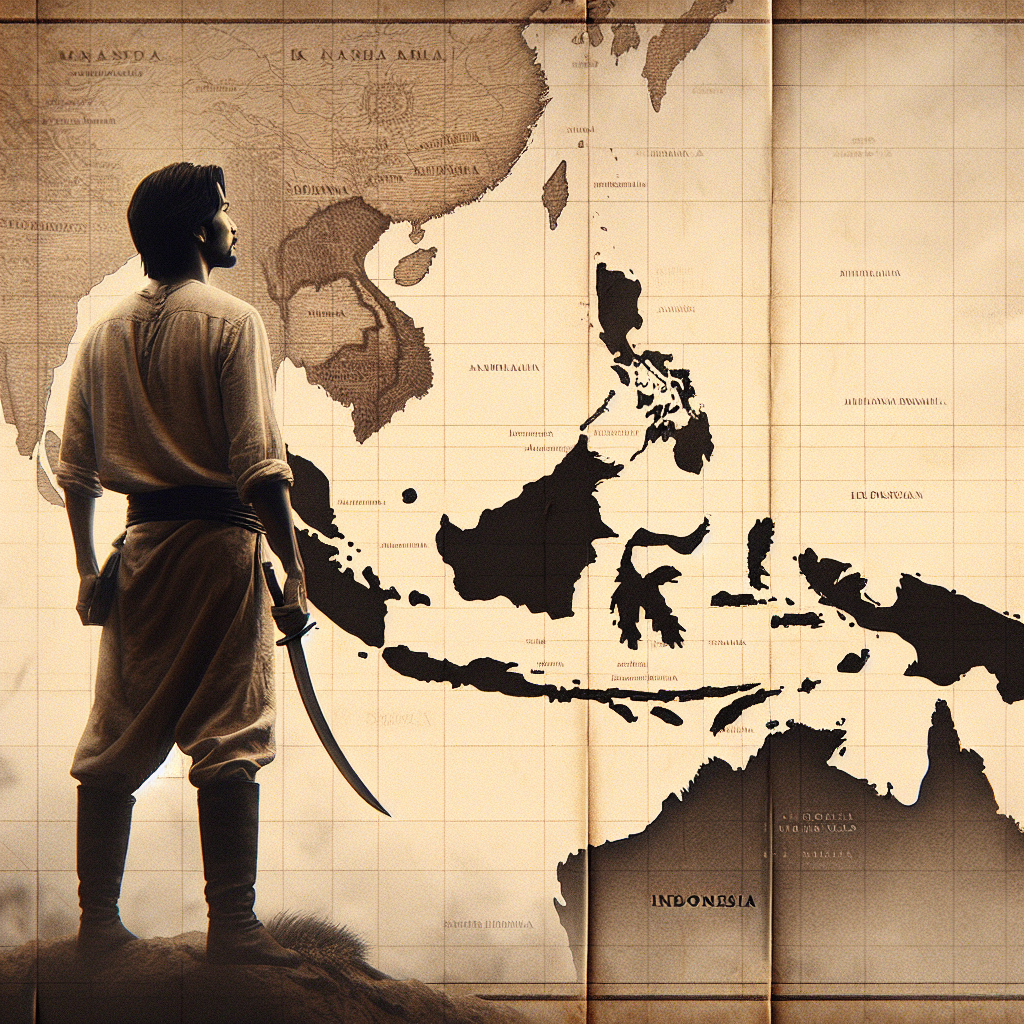

Picture this: a fiery and determined activist in mid-20th century Indonesia, fighting for social justice when most were still reeling from colonial rule. That was Siauw Giok Tjhan, a politician who played a significant role in shaping Indonesia’s tumultuous path to democracy. Born in 1914 in Semarang, on the island of Java, Siauw was a Chinese-Indonesian who grew up in a society where colonial influences and racial tensions were rife. His background as an outsider among his fellow Indonesians instilled in him a desire to create a society where everyone—no matter their ethnicity—could enjoy equal rights.
Siauw was instrumental during Indonesia's struggle for independence from the Netherlands, which finally happened in 1945. His legacy is robust as he was known for his involvement in numerous political scenes, often fostering a sense of unity and inclusive nationalism. He was one of the founding members of Baperki, a significant political organization focusing on the rights of Chinese-Indonesians at a time when anti-Chinese sentiment was widespread.
The Baperki organization sought not just to protect Chinese-Indonesians, but also to integrate them fully into Indonesian politics and life. This move challenged both the traditional Chinese community, which often resisted integration, and nationalist forces who questioned the loyalties of Chinese-Indonesians. As someone who occupied a space fraught with tension, Siauw Giok Tjhan’s ideas were radical yet necessary.
Unfortunately, not everyone saw Siauw's vision as a positive force. His belief in a more socialist form of governance led to clashes with a growing anti-communist wave in Indonesia. During the political upheavals of the 1960s, the government perceived the Baperki and its leaders with suspicion and often hostility, fearing that they were communist sympathizers, influenced by Siauw's pragmatic ideas.
In 1965, a coup attempt in Indonesia attributed to a leftist faction, led to a violent anti-communist purge across the country. The military-backed government targeted Chinese-Indonesians, labeling them as communists. Siauw Giok Tjhan and members of Baperki were caught in this sweeping assault. Siauw was ultimately arrested, spending years in prison as political tensions raged.
There’s much room for debate on how Siauw’s socialist ideals played a role. To some, he may have represented a misunderstood segment of the political spectrum, one striving for equality but miscategorized by the fear and chaos of the time. Others argue his affiliation with leftist groups was risky, given the political climate and Indonesia's delicate post-colonial emergence.
His imprisonment did not mean the end of his influence. Released in the early 1970s, Siauw continued to work on promoting social justice through quieter, less public domains. Though he lived under restrictions, he did not shy away from advocating for reconciliation and multiculturalism—values that resonate deeply in an increasingly globalized world.
Ultimately, Siauw Giok Tjhan’s story reflects the political fragmentation and diverse cultural tapestry of 20th-century Indonesia. While admired by some for his commitment to inclusiveness and equality, he was also a subject of controversy. His story is a powerful reminder of the resilience needed to hold onto ideals of inclusivity in a world quick to divide.
Now, why should Gen Z care? Because the battles Siauw fought aren’t isolated to his era. We live in an age where borders blur, identities are complex, and inclusivity is on the agenda. As globalization continues its turn, Siauw’s ambitions and challenges remain. In understanding his journey, we aren’t just looking at a chapter in history but recognizing a narrative that continues today.
While his methods to some might seem radical, they echo a timeless truth. Values of fairness and unity stand against divisiveness and hate, even amidst very divergent opinions on governance and cultural identity. Siauw survived hardships but left a legacy not to be brushed aside.
Siauw Giok Tjhan stood as a testament to the complexities of identity politics, cultural fragmentation, and advocacy against the odds, showing an indomitable spirit that's as relevant now as it was then. His story urges us to probe the nuances of identity and unity, both critical issues bound to our globally connected future.