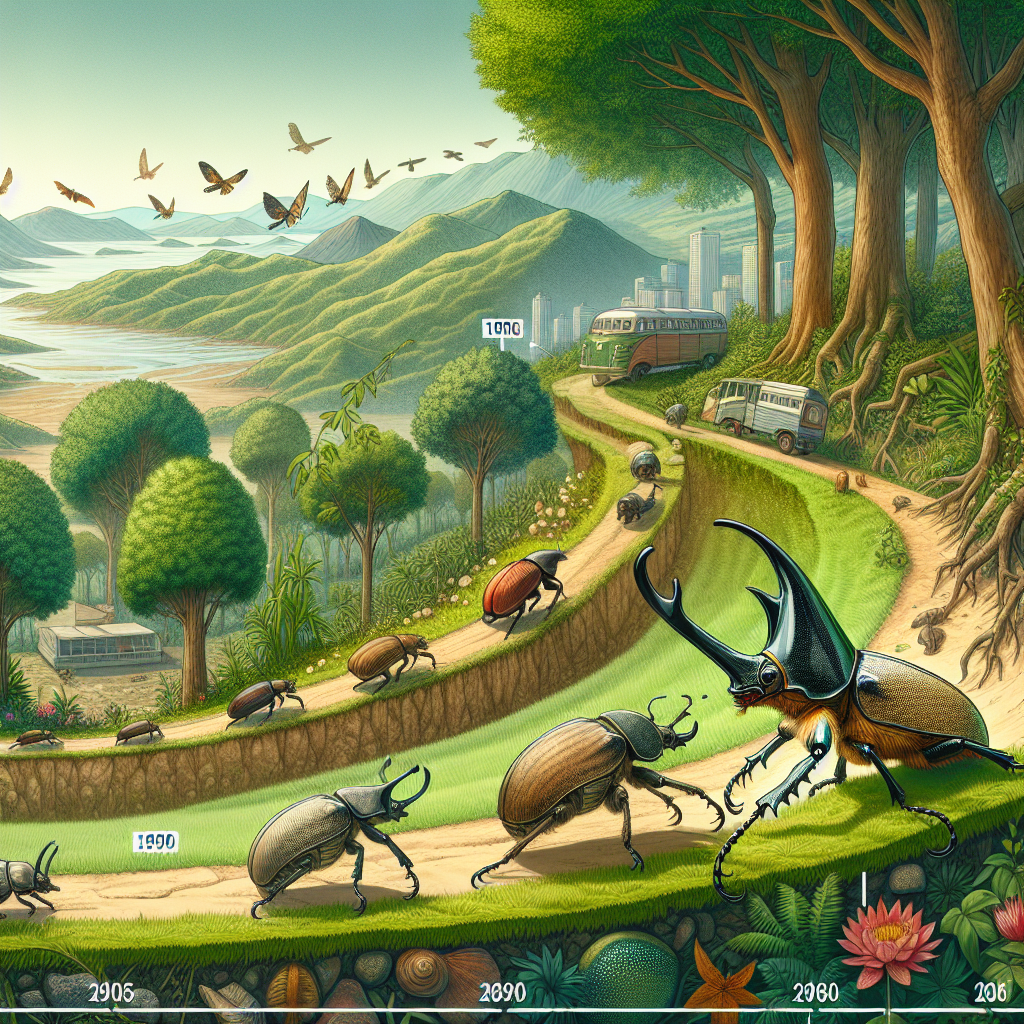

The Curious Case of Semiotus Ligneus: A Beetle's Journey Through Time
Imagine a beetle that has been around since the time of the dinosaurs, quietly going about its business while the world changed around it. Meet Semiotus ligneus, a fascinating species of click beetle that has captured the interest of entomologists and nature enthusiasts alike. This beetle, belonging to the family Elateridae, is primarily found in the tropical regions of Central and South America. Its unique ability to "click" and flip itself into the air when threatened or overturned has made it a subject of study for scientists trying to understand its evolutionary adaptations. The "click" mechanism is not just a party trick; it's a survival tool that has helped the beetle thrive in its natural habitat.
The Semiotus ligneus is not just any beetle; it is a marvel of nature's engineering. Its body is elongated and streamlined, allowing it to move swiftly through its environment. The beetle's coloration, often a mix of browns and yellows, provides excellent camouflage against the forest floor, helping it avoid predators. This beetle's life cycle, like many insects, includes stages of egg, larva, pupa, and adult, each with its own set of challenges and adaptations. The larvae are known to be wood-borers, which means they play a crucial role in the ecosystem by helping decompose dead trees and recycle nutrients back into the soil.
While the Semiotus ligneus is not currently endangered, its habitat is under threat from deforestation and climate change. The tropical forests of Central and South America are being cleared at an alarming rate for agriculture, logging, and urban development. This loss of habitat not only threatens the beetle but also the countless other species that share its environment. Conservation efforts are essential to preserve these ecosystems, and understanding the role of species like Semiotus ligneus can help in crafting effective strategies.
Some might argue that focusing on a single beetle species is not as important as addressing broader environmental issues. However, the study of Semiotus ligneus and similar species can provide valuable insights into the health of their ecosystems. These beetles can act as bioindicators, meaning their presence or absence can signal changes in the environment. By studying them, scientists can gain a better understanding of the impacts of human activities on biodiversity and ecosystem health.
The story of Semiotus ligneus is a reminder of the intricate web of life that exists on our planet. Each species, no matter how small, plays a role in maintaining the balance of nature. As we continue to face environmental challenges, it is crucial to remember the importance of preserving biodiversity. The survival of Semiotus ligneus and countless other species depends on our ability to protect their habitats and address the root causes of environmental degradation.
In the end, the tale of Semiotus ligneus is not just about a beetle; it's about the interconnectedness of life on Earth. By learning about and appreciating these small creatures, we can foster a greater sense of responsibility towards the natural world. As we move forward, let us strive to create a future where both humans and nature can thrive together.